Hunting Whitetails at Thirty Below
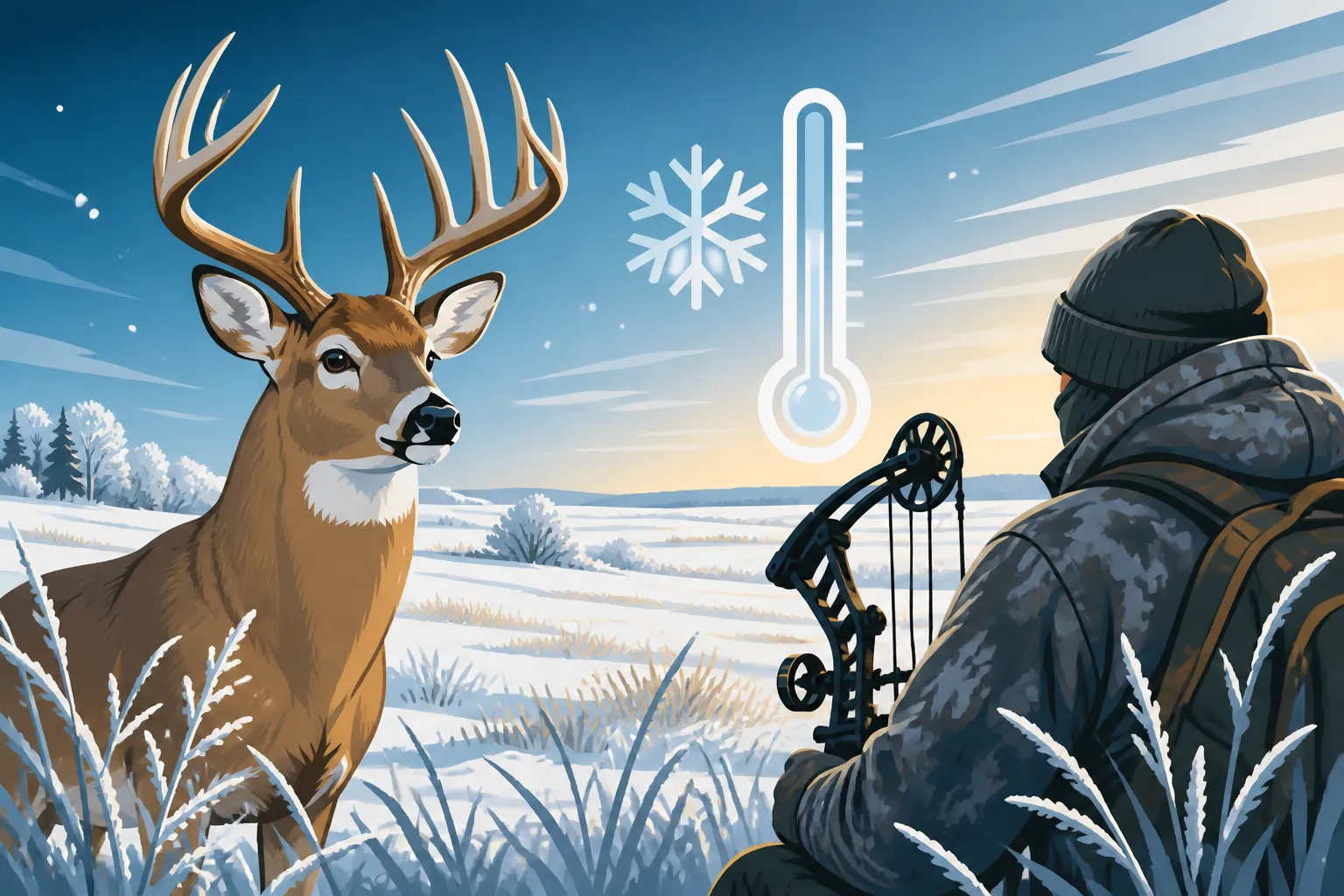
The biting cold of a Saskatchewan winter can feel like it's trying to get into your very bones, and hunting whitetails when the mercury plunges to thirty below Celsius presents a unique, often brutal, challenge. Many hunters, even seasoned ones, find themselves questioning their sanity as the wind whips across the open fields or through the dense bush. This guide isn't just about enduring the cold; it's about understanding whitetail behaviour in these frigid conditions, gearing up effectively, and employing smart strategies to turn what feels like a survival test into a successful hunt.
The Harsh Reality of Thirty Below Hunting
Let's be honest: hunting at thirty below is not for the faint of heart. It's an extreme environment that demands respect, meticulous preparation, and an unwavering commitment to safety. The challenges extend far beyond just feeling a bit chilly; they involve everything from equipment failure to severe health risks. But for those willing to brave it, the rewards can be immense. Big Saskatchewan whitetails often move differently, and sometimes more predictably, when the cold really clamps down.
The Dangers Beyond Just Being Cold
When temperatures plummet to -30°C (-22°F), the risks escalate dramatically. Frostbite is a very real, immediate threat, especially to exposed skin and extremities like fingers, toes, ears, and nose. It doesn't take long for skin to freeze, leading to permanent tissue damage. Hypothermia, where your core body temperature drops dangerously low, is another silent killer. Shivering is your body's first defense, but if you can't warm up, disorientation, slurred speech, and eventually unconsciousness can set in.
Beyond the personal physical risks, the cold impacts your gear. Batteries drain at an alarming rate, affecting rangefinders, GPS units, and cell phones – all critical safety tools. Firearms can become sluggish, with lubricants thickening and mechanisms freezing. Even something as simple as retrieving game can become a race against time and the elements, where exposed skin can stick to frozen metal or meat. Knowing Hunting Saskatchewan Winter Weather Safely is paramount to a successful and safe experience. You're not just hunting a deer; you're battling the elements, and the elements can win if you're not prepared.
Why Bucks Move in Extreme Cold
It might seem counterintuitive, but big whitetail bucks often have to move in extreme cold, and understanding why is key to intercepting them. Their primary driver in this kind of weather is survival. They need to find high-calorie food sources to maintain their body temperature and fat reserves, especially after the rigors of the rut. This means they will feed heavily, often during daylight hours, even if it's brief. They're trying to pack in as many calories as possible before bedding down again.
Secondly, deer will seek out thermal cover. This isn't just any brush; it's often dense conifer stands, thick willow bottoms, or even deep coulees that offer a break from the wind and trap what little warmth there is. These areas become critical bedding grounds. A buck might not travel far, but his movements between his bed and a nearby food source can become highly concentrated. Finding Where Saskatchewan Whitetails Bed in Snow will be crucial to your strategy. These movements, while limited in distance, are often predictable, making patient stand hunting a viable tactic. They won't expend unnecessary energy, so their travel corridors will be the path of least resistance between cover and calories.
Essential Gear for Surviving and Thriving
Successfully hunting at thirty below is less about luck and more about preparation, and that preparation starts with your gear. Skimping on quality or neglecting critical layers will almost guarantee a miserable, short-lived hunt. You need to dress not just to be comfortable, but to literally survive.
Layering Like a Saskatchewan Local
Layering is absolutely non-negotiable when hunting in extreme Saskatchewan cold. It’s not just about piling on clothes; it’s about strategic application of different materials to manage moisture and retain heat.
- Base Layer (Wicking): This is the foundation. Forget cotton; it traps moisture and will make you colder as soon as you stop moving. Opt for merino wool or synthetic performance fabrics. These materials excel at wicking sweat away from your skin, which is crucial because even in extreme cold, exertion can cause you to sweat. A good base layer keeps you dry and therefore warmer.
- Mid-Layers (Insulating): This is where you build warmth. Think fleece, down, or synthetic puff jackets. Multiple thin-to-medium mid-layers are often better than one thick one, as they create air pockets that trap heat more efficiently. For example, a heavy fleece jacket over a lighter one provides incredible warmth. Look for materials that retain insulation even if they get damp.
- Outer Layer (Protective): Your shell needs to be windproof and water-resistant (or waterproof if snow is expected, though often at thirty below it's dry snow). This layer is your barrier against the elements. A high-quality parka and insulated bibs are essential. Brands like Sitka, KUIU, or even local brands like Ridgeline, known for their extreme cold gear, are excellent choices. Ensure your outer layer is generously sized to accommodate all your inner layers without compressing them, which would reduce their insulating properties. For more details, consider reading Dressing for Saskatchewan's November Cold as many of the principles carry over to even colder weather.
Remember, the ability to shed or add layers is what makes this system work. If you're walking to your stand and start to sweat, you must open zips or remove a layer to prevent moisture buildup.
Footwear, Handwear, and Headwear: Non-Negotiables
These are your extremities, and they're often the first to feel the cold and the most vulnerable to frostbite. Do not compromise here.
- Footwear: You need heavily insulated, waterproof boots with a high insulation rating (at least 1200g, but 2000g or more is ideal for sitting still). Look for boots with removable liners so you can dry them out each night. Wear good quality wool or synthetic socks; again, no cotton. Bringing a spare pair to change into if your feet get sweaty on the walk-in is a smart move. Oversized boots allow for thicker socks and better circulation. Brands like Baffin or Schnee's are popular choices for extreme cold. Check out Boots for Sitting Still in Deep Cold for more specialized advice.
- Handwear: This is tricky because you need warmth but also dexterity for shooting. The best system is often a multi-layered approach: a thin, fitted glove (like a merino wool or synthetic liner) for fine motor skills, covered by a heavy, insulated mitten or a shooting mitt with a hand warmer pocket. When it's thirty below, mittens are generally warmer than gloves because they keep your fingers together. Many hunters swear by a large hand warmer muff worn around the waist. You can keep your mitts and a hand warmer inside, pulling out a bare hand only when necessary.
- Headwear: Your head, neck, and face lose a significant amount of heat. A warm toque or balaclava is essential. Consider a windproof balaclava that covers your entire face, leaving only your eyes exposed. Many hunters also add a neck gaiter or scarf for extra protection. Some heavy parkas also come with an insulated hood that provides an additional layer of warmth and wind protection.
Life-Saving Accessories
Beyond your main clothing, a few accessories can make a world of difference for safety and comfort:
- Hand and Foot Warmers: Stock up! These chemical warmers are inexpensive and provide hours of crucial heat. Place them in your mittens, boots, or hand muff.
- Insulated Seat Pad: When sitting on a frozen stand or blind floor, an insulated seat pad is a game-changer. It prevents conductive heat loss from your body to the frozen ground or metal.
- Heated Vests/Gloves/Socks: Battery-powered heated gear has come a long way. While an investment, a good heated vest can provide critical core warmth, especially when Sitting All Day in a Saskatchewan Blind. Make sure to carry extra charged batteries.
- Thermos: A large thermos of hot coffee, tea, or soup can be a moral booster and provide internal warmth throughout a long sit.
- Emergency Kit: Always have a survival kit including fire-starting materials, a knife, first-aid supplies, and an emergency blanket. A satellite communication device like a Garmin inReach or a Zoleo is a smart investment, especially if you're hunting in remote areas with no cell service. GoHunt’s mapping tools, even without cellular service if downloaded beforehand, can be invaluable for navigation and identifying emergency rendezvous points.
- Winter Truck Kit: Ensure your vehicle is ready for the cold. A good Winter Truck Kit for a Saskatchewan Hunt is vital and should include booster cables, a tow rope, extra fuel, a shovel, and warm blankets.
Table: Extreme Cold Weather Gear Checklist
| Category | Essential Items | Specifics for -30°C |
|---|---|---|
| Base Layers | Merino Wool or Synthetic Top & Bottom | Heavyweight, moisture-wicking, multiple sets |
| Mid-Layers | Fleece Jackets (2-3), Down or Synthetic Puff Jacket | Varying weights for adaptability, non-compressing |
| Outer Layers | Heavily Insulated Parka & Bibs | Windproof, water-resistant, generous fit for layering |
| Footwear | 2000g+ Insulated Boots, Wool/Synthetic Socks (2 pairs) | Waterproof, removable liners, oversized for circulation |
| Handwear | Thin Liner Gloves, Heavy Insulated Mittens, Hand Muff | Mittens over gloves, large muff with hand warmers |
| Headwear | Windproof Balaclava, Warm Toque, Neck Gaiter | Covers face and neck, layering for variable wind |
| Accessories | Hand & Foot Warmers, Insulated Seat Pad, Thermos | Generous supply of warmers, large capacity thermos |
| Safety | Emergency Kit, Satellite Communicator, Headlamp | Fire starter, first-aid, spare batteries, powerful beam |
Strategies for Success in the Deep Freeze
Hunting in thirty below requires a different mindset and approach than a mild fall day. You need to be methodical, patient, and keenly aware of how the cold impacts both you and the whitetails.
Locating Cold-Weather Whitetail Havens
In extreme cold, deer movements become more precise and predictable. They are all about efficiency: finding food, finding shelter, and conserving energy.
- Thermal Cover: Focus on dense stands of conifers (spruce, pine), thick willow swamps, or sheltered river bottoms and coulees. These areas block the wind and hold what little radiant heat there is. Deer will bed in these spots during the day and often feed very close by. Using a tool like GoHunt or other mapping apps to identify these dense evergreen stands or geographical depressions (like coulees) can give you a massive advantage before you even step foot in the field. Think about where a deer would find relief from a biting north wind. A south-facing slope with thick cover will be gold. Consider Hunting a Saskatchewan Bush Bluff or Hunting a Prairie Coulee Bottom for specific habitat details.
- High-Energy Food Sources: Deer will hit foods that provide the most calories with the least effort. Standing corn, unharvested peas or lentils, and swathed grain fields (especially barley or oats) are prime candidates. They also browse on woody stems, but concentrated, accessible grain fields are often preferred. Scouting these areas during daylight hours, even from a distance, can reveal travel patterns between bedding and feeding. Look for fresh tracks, especially larger, deeper ones indicating a mature buck.
- Travel Corridors: Once you've identified bedding and feeding areas, look for the shortest, most sheltered routes between them. These are your choke points. Often, these will follow natural terrain features like brush lines, treed fence lines, or creek beds that offer a bit of cover from the wind. Bucks will take the path of least resistance.
Optimizing Your Stand or Blind Setup
Sitting still in extreme cold is challenging, so your setup needs to be as effective as possible.
- Enclosed Ground Blinds: A well-built, insulated ground blind is often the most comfortable option. These blinds, especially if equipped with a portable propane heater (use with extreme caution, ensure ventilation, and never fall asleep), can make long sits bearable. Position your blind to take advantage of prevailing winds, ensuring your scent is carried away from bedding or feeding areas. Make sure it offers good visibility into anticipated travel routes. You can learn a lot from Hunting Whitetails at Thirty Below on how to set up for success.
- Treestands: While more exposed, treestands can still be effective if positioned strategically in heavy cover. Focus on areas where you can tuck into dense evergreens or a thick bluff edge that offers some wind protection. An insulated treestand seat cover and a substantial platform are key. Make sure your stand is rock solid; swaying in the wind only amplifies the cold. For advice on specific setups, consider Hanging a Stand on a Saskatchewan Bush Edge.
- Minimizing Scent: Even in cold temperatures, deer can still detect human scent. Be meticulous with scent control. Wash hunting clothes in scent-free detergent, store them outside in airtight containers, and dress as close to your stand as possible. A good quality scent eliminator spray can also help.
- Stealth and Patience: Movement and noise are amplified in cold, still air. Move slowly and deliberately to your stand, and once there, minimize movement as much as possible. A single clatter of equipment or a squeaky boot can spook a cold, wary buck. Patience is paramount; bucks may not move for hours, then suddenly appear.
The Mental Game and Patience
Hunting in extreme cold is as much a mental game as it is a physical one. The urge to pack up and head to the warmth can be overwhelming.
- Break Down the Day: Instead of thinking about an eight-hour sit, break it into smaller, manageable chunks. Focus on the next hour, or until the next thermos refill. This makes the time feel less daunting.
- Stay Positive: Remind yourself why you're out there. The challenge, the solitude, the potential for a mature buck that few other hunters are willing to pursue. The biggest bucks often become more vulnerable in these conditions precisely because fewer hunters are willing to put in the time.
- Know When to Quit: There's a fine line between perseverance and recklessness. If you truly start to feel symptoms of hypothermia or frostbite, or if your gear is failing, it's time to go. A deer isn't worth permanent injury or worse. Be realistic about your limits.
After the Shot: Meat Care in Extreme Cold
You've done it! The cold paid off, and you've got a buck down. Now the real race against the elements begins. Meat care in thirty below is crucial to ensuring your hard-earned harvest doesn't go to waste. Meat Care in Saskatchewan's Cold Snaps is a critical skill.
Rapid Recovery and Field Dressing
In extreme cold, the first priority is to locate and recover your deer quickly. A downed animal will freeze rapidly, especially if it's lying in snow or directly on frozen ground. This can make field dressing incredibly difficult, as internal organs can freeze to the cavity walls.
- Track Quickly: Even a well-hit deer needs to be tracked immediately. Blood trails can be difficult to follow in deep snow, and the cold can make a deer stiffen up faster than you'd imagine.
- Field Dress Promptly: Get to the animal and begin field dressing as soon as safely possible. Removing the entrails allows the body heat to dissipate, preventing spoilage (yes, even in extreme cold, internal organs can still generate heat and spoil meat if not cooled). However, the exterior will freeze solid quickly. This rapid freezing is a double-edged sword: it helps preserve the meat but makes processing harder. For detailed steps, refer to Field Dressing in Saskatchewan's Deep Cold. Be sure to have a sharp knife that can handle the cold, and a small folding saw can be useful for splitting the sternum or pelvis if the carcass starts to stiffen.
- Protect Your Hands: Wear a pair of disposable nitrile gloves under a sturdy pair of work gloves or insulated rubber gloves to keep your hands warm and clean during this messy but necessary process. Exposing bare skin in -30°C for an extended period is a recipe for frostbite.
Transporting Your Harvest Without Freezing Damage
Once field dressed, the challenge shifts to getting your deer out of the bush and back home without damaging the meat.
- Prevent Freezing Solid (Prematurely): While freezing eventually preserves meat, you don't want the carcass to freeze completely solid in an awkward position or before it's been properly skinned and quartered. If you have a long way to go, try to keep the cavity open to continue cooling but prevent external surfaces from freezing too rapidly and hardening. However, in thirty below, this can be hard to manage. If the deer starts to stiffen too much, it becomes almost impossible to maneuver onto a sled or into a truck.
- Getting it Out: Whether you're using a game sled, a quad, or brute strength, getting the deer out of the field in these temperatures is tough. The ground can be uneven, icy, and covered in deep snow. A sturdy game sled is invaluable. If using a quad or snowmobile, ensure the carcass is secure and won't get battered on the ride out. Read Getting a Deer Out on a Frozen Trail for practical tips.
- Hanging and Skinning: Ideally, you want to hang the deer in a cool (but not freezing solid) location to age for a few days before processing. However, at thirty below, this is usually not an option unless you have a heated shop or garage. Often, you'll need to skin and quarter the deer almost immediately upon getting it back to camp or home before it completely freezes. This is where Hanging Meat in Fall Temperature Swings provides good lessons – the principles of careful cooling apply, even when the "swing" is just from -30 to -20. If you can't skin it right away, ensure it’s protected from scavengers and snow. Many Saskatchewan hunters will take their deer to a local butcher almost immediately in these conditions to ensure proper processing.
Hunting whitetails at thirty below in Saskatchewan is a testament to dedication and proper preparation. It's a grueling experience, but for those who embrace the challenge, it can lead to unforgettable memories and a hard-earned trophy. Stay safe, stay warm, and good luck out there.
Disclaimer
The information provided in this guide is for general informational purposes only and does not constitute professional advice. Hunting involves inherent risks, and conditions in Saskatchewan can be extreme. Always prioritize your safety, follow all local hunting regulations, and seek professional guidance when necessary. The author and publisher are not responsible for any injuries or damages that may result from the use of this information.