Hunting Saskatchewan’s Spring Snow Goose Season
Oh, the spring snow goose season in Saskatchewan! It's an absolute whirlwind, a truly spectacular, yet often chaotic, experience that many hunters find both exhilarating and a little overwhelming. The sheer scale of the migration, combined with specific regulations and the unpredictable nature of spring weather, can leave even seasoned waterfowl hunters scratching their heads about where to even begin. If you've ever felt lost amidst a blizzard of white geese, wondering how to set up, where to go, or what rules truly apply, you're not alone. This guide is here to walk you through the unique world of hunting snow geese in the Saskatchewan spring, offering practical advice and strategies to help you navigate this intense, but incredibly rewarding, pursuit.
Why Spring Snow Goose Hunting is Such a Unique Experience
Hunting snow geese in Saskatchewan during the spring isn't just another waterfowl hunt; it's a phenomenon. It's a chase driven by biology, regulation, and sheer numbers, making it stand apart from almost any other hunting opportunity out there. If you've never experienced it, prepare yourself for something truly epic.
The Phenomenal Spring Migration
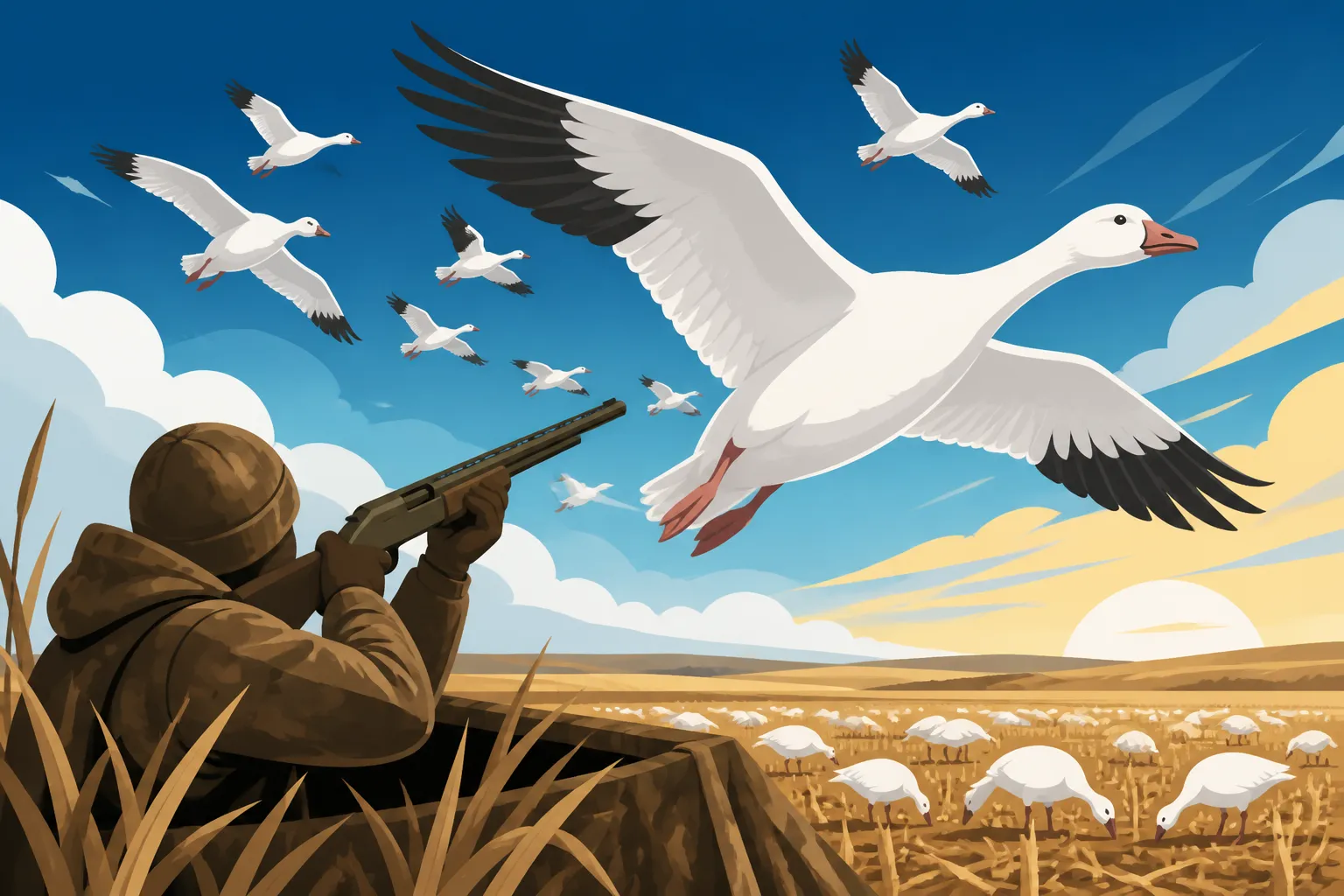
Imagine endless waves of white birds, numbering in the hundreds of thousands, sometimes millions, pushing northward across the prairies. This isn't an exaggeration. Saskatchewan sits right in the heart of a major flyway for migrating snow geese, and in the spring, they are absolutely driven by the instinct to reach their Arctic breeding grounds. They're literally fueled by the waste grain left behind in our vast agricultural fields, staging in massive groups before continuing their epic journey. This mass movement creates incredible opportunities, but also poses unique challenges. Unlike the fall, where birds might linger, spring snow geese are on a mission, often moving through a specific area very quickly depending on weather and available food. Catching them at the peak of their staging can feel like winning the lottery. You might go from seeing nothing to a sky full of birds in a matter of hours, and then, just as quickly, they'll be gone, pushing further north with the advancing spring. It’s an urgent, high-stakes game that requires constant vigilance and adaptability.
Distinct Regulations and Challenges
One of the biggest differences you'll notice right away with spring snow goose hunting is the distinct set of regulations. In Canada, specifically, the spring season is often referred to as a "Conservation Order" or "Special Conservation Harvest" in some areas, designed to help manage burgeoning snow goose populations that are, in some cases, over-browsing their delicate Arctic breeding grounds. This means certain rules are relaxed to allow for increased harvest. We're talking about things like extended shooting hours, the ability to use unplugged shotguns (meaning more than three shells in your gun!), and crucially, the legal use of electronic calls. These tools, typically forbidden in regular waterfowl hunting, are game-changers for targeting large flocks of snow geese.
However, these freedoms come with their own set of challenges. Spring weather in Saskatchewan can be wildly unpredictable. One day it's shirt-sleeve warm, the next a full-blown blizzard. This volatility directly impacts bird movement and your hunting setup. You might be digging blinds out of snow one morning and sweating in them that afternoon. Navigating the legal landscape requires careful attention; for instance, you'll still need your federal migratory bird permit and a provincial Saskatchewan hunting licence. Make sure you're well-versed in the specifics, which are usually outlined in the Saskatchewan Hunting Guide. Familiarizing yourself with these nuances is key to a successful and legal hunt, so be sure to check the latest Saskatchewan Spring Snow Goose Season Rules before heading out.
Essential Gear and Scouting for Success
Spring snow goose hunting isn't a casual affair you can just wing with a handful of duck decoys. It demands specific gear, meticulous planning, and relentless scouting. If you're serious about getting into these birds, you've got to be prepared to invest time, effort, and often, quite a bit of equipment.
Decoy Spreads and Blind Selection
When it comes to snow geese, especially in the spring, numbers are everything. Forget your typical dozen or two decoys. For snow geese, you're talking about needing hundreds, if not thousands, of decoys to effectively draw them in. The idea is to create a spread so massive it looks like a safe, established feeding ground from high above. This usually means a mix of different types of decoys:
- Windsocks: These are your bread and butter for volume. Lightweight, relatively inexpensive, and they offer excellent motion in even a slight breeze. They form the bulk of your spread, creating that essential mass of white.
- Silhouettes: These add realism and density when viewed from the side or at an angle. They're easy to transport and quick to deploy, filling out the "body" of your feeding flock.
- Full-bodies: While bulky and expensive for large numbers, a few dozen high-quality full-body decoys placed strategically around your blinds can offer incredible realism where birds are expected to land, especially if they’re getting wary.
- Flyers and Motion Decoys: These are crucial for breaking up the static look of a large spread and simulating landing birds. Rotary machines, flying kites, or even large wing-flapping decoys can be incredibly effective at drawing distant birds' attention.
Setting up a massive spread like this isn't a five-minute job. It's a commitment that can take hours, even with a crew. You'll need durable, comfortable blinds that literally disappear into the field. Layout blinds are common, offering low profiles that blend into stubble or dirt. Remember, snow geese have incredible eyesight, and if they spot anything out of place, they're gone. Concealment is paramount. For more detailed tips on effective layouts, check out resources on Hunting Snow Geese Over a Big Spread.
Calling Strategies and Electronic Calls
This is where spring snow goose hunting truly diverges from most other waterfowl pursuits. The legal use of electronic calls is a game-changer. These high-volume callers can replicate the deafening din of a thousand feeding snow geese, drawing birds from miles away. It's not just about turning it on and blasting; there's an art to it. You'll want recordings that feature a variety of sounds: feeding chatter, excited landing calls, and general flock communication.
The key is often in the modulation. You might start with high-volume, continuous calling to grab distant birds' attention. As they approach, you might reduce the volume or even momentarily turn off the call, letting them "commit" before turning it back on at a lower volume to guide them in. Sometimes, subtle squawks and clucks with a mouth call from a hidden hunter can be the final persuasion needed to get wary birds to drop their feet into your kill hole. Combining electronic calls with visual motion in your spread creates an irresistible invitation for migrating geese.
Pre-Season Scouting and Field Selection
Scouting is, without a doubt, the most critical element of a successful spring snow goose hunt. These birds move quickly, and what was a hot field yesterday might be completely empty today. You need to be where the birds want to be, and that means putting in serious windshield time and using modern tools.
Start by driving grid roads, observing where birds are feeding and where they're flying. Look for large concentrations of geese – these are often major staging areas. Note their flight paths from roost to feed and back again. Pay attention to fields with unharvested grain, spilled grain, or green shoots emerging from winter wheat, as these will be prime feeding grounds.
Tools like the GoHunt app or other mapping software are invaluable here. They allow you to view satellite imagery to identify potential feeding patterns and crucial land ownership data, which is essential for getting permission. You can pinpoint specific fields, track historical bird movements (if data is available), and plan your approach long before you even set foot on the ground. This kind of advanced scouting can literally make or break your hunt. Don't underestimate the power of knowing exactly where to Scouting Fields for Saskatchewan Waterfowl are, or how to use Scouting With Satellite Imagery in Saskatchewan.
Navigating Regulations and Landowner Relations
Successfully hunting Saskatchewan's spring snow goose season isn't just about gear and knowing how to call; it's also about respecting the law and the land. Understanding provincial and federal regulations, and fostering good relationships with landowners, are fundamental pillars of ethical and effective hunting.
Understanding Saskatchewan's Specific Rules
As mentioned, the spring snow goose season operates under a special framework. This means certain rules are relaxed to maximize harvest opportunities. However, "relaxed" doesn't mean "non-existent." You still have responsibilities as a hunter.
Firstly, you absolutely need a valid Federal Migratory Game Bird Hunting Permit, available from Canada Post outlets or online, and a valid Saskatchewan hunting license, which you can obtain through your HAL (Hunter and Angler Licence) account. Make sure you understand the Saskatchewan Migratory Bird Permits process.
Secondly, familiarize yourself with the specifics of the special conservation measures:
- Unplugged Shotguns: Yes, you can load more than three shells, but ensure your shotgun is still safe and in good working order.
- Electronic Calls: These are explicitly permitted for snow geese during the spring conservation season. Use them strategically to draw birds, as covered earlier.
- Extended Shooting Hours: Often, shooting hours are extended to half an hour before sunrise and half an hour after sunset. Always double-check the current year's hunting guide for precise times and any zone-specific variations.
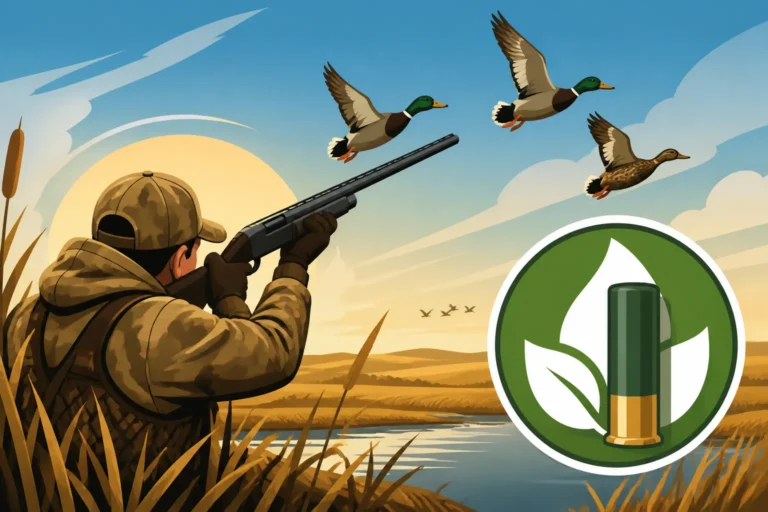
- Non-Toxic Shot: This is a federal requirement for all migratory bird hunting. You must use non-toxic shot (steel, bismuth, etc.), not lead, when hunting snow geese. This is non-negotiable for environmental reasons. Learn more about Non-Toxic Shot Requirements for Waterfowl to avoid any issues.
Always carry your licenses and permits, and be prepared to show them to conservation officers if requested. Ignorance of the law is never an excuse.
Gaining Landowner Permission
Saskatchewan is predominantly private land, especially in the prime agricultural areas where snow geese congregate. This means that gaining permission from landowners is not just good etiquette, it's a legal requirement. Trespassing, even accidentally, can lead to serious penalties and damages the reputation of all hunters.
The best approach is always to knock on doors well in advance. Introduce yourself, explain what you're hoping to do (hunt snow geese), and be respectful of their time and property. Farmers and landowners are busy people, but many are receptive to hunters who are polite, responsible, and offer to help with any potential crop damage. Offering a small gesture of appreciation, like a gift card for a local store or even a simple thank you note, can go a long way in building rapport for future seasons.
Some landowners might be hesitant, perhaps due to previous negative experiences with hunters. Be understanding and move on. Others might have specific rules, like "hunt on foot only" or "no driving on wet fields." Respect these rules without question. Building trust takes time, but it's essential for sustained access. While you might be focusing on geese, the principles are the same for Getting Permission for a Goose Field as they are for Knocking on Doors in Saskatchewan Farm Country for any species. Remember, a good reputation among local landowners is often your most valuable hunting asset.
Field Strategies and Maximizing Your Harvest
Once you've got your gear, done your scouting, and secured your permissions, it's time to put all those plans into action. The field is where theory meets reality, and effective strategies can make all the difference in turning a good day into an unforgettable one.
Setting Up for the Kill
The "X" marks the spot – this is the precise location in the field where you want the geese to land, the center of your decoy spread, and most importantly, where your blinds are strategically placed. Identifying this spot is a combination of your scouting observations and understanding how wind affects goose behavior. Geese, like airplanes, typically land into the wind. Therefore, your blinds should be positioned downwind of your primary landing zone.
Your decoy spread should be designed to funnel birds into this kill zone. Often, this means creating a "U" or "J" shape with your decoys, with the open end facing into the prevailing wind and the kill zone located at the bottom of the "U" or "J." This encourages birds to fly right into your trap.
Electronic Caller Placement: Don't just place your e-caller in your blind. For maximum effect, place speakers outside the main body of your decoys, sometimes even 50-100 yards upwind or crosswind. This helps to make the sound source seem more diffuse and realistic, mimicking a large, noisy flock rather than a single point of sound. Ensure speakers are pointed towards incoming birds for optimal sound projection. Also consider the importance of Field Hunting Geese in Saskatchewan Stubble – even in spring, the same principles of concealment and placement apply.
Concealment is King: No matter how perfect your spread or how loud your call, if the geese see you, they're not coming in. Your layout blinds must be thoroughly camouflaged. Use local stubble, snow, or dirt to break up their outline. If you're in a snow-covered field, white covers are essential. Stay low, stay still, and only pop up when it's time to shoot. Any movement, even a quick glance, can be enough to flare a whole flock.
Weather and Adaptation
Spring weather in Saskatchewan is notoriously fickle, and it dictates almost everything about the snow goose hunt. One day can be calm and sunny, leading to complacent birds; the next, a howling blizzard or driving rain, forcing geese to fly lower and seek shelter.
- Wind: Wind is your friend. It provides motion for your windsocks and silhouettes, and dictates how geese will approach your spread. Always set up to have the wind at your back, pushing the birds towards you as they commit to land. If the wind shifts during the day, you may need to adjust your spread or even move your blinds.
- Temperature: Mild days can mean higher flying birds. Cold, blustery days, especially with precipitation, often force birds lower, making them more susceptible to your decoys and calls. Dress in layers, as spring mornings can be frigid, but midday sun can be surprisingly warm.
- Precipitation: Rain, sleet, or snow can impact visibility for both you and the birds. However, bad weather can often lead to some of the best hunting, as birds are more focused on finding a safe landing spot. Be prepared with waterproof gear to stay comfortable and focused. Remember, understanding Hunting Saskatchewan Winter Weather Safely can be crucial, as spring can often surprise you with winter-like conditions.
Being adaptable to weather conditions is crucial. Have different decoy types ready, consider different blind placements, and be prepared to move if the conditions demand it.
Post-Hunt Logistics
Congratulations, you’ve pulled off a successful spring snow goose hunt! But the work isn't over. Now comes the task of collecting your birds, cleaning up, and properly caring for your harvest.
Collection and Count: After the last shot, ensure all birds are safely retrieved. This is particularly important with snow geese, as cripples can be difficult to find in large fields. Count your harvest and ensure you haven't exceeded any possession limits (though in spring snow goose hunting, daily and possession limits are usually very liberal, if they exist at all, due to the conservation order).
Cleanup: Leave the field cleaner than you found it. Pick up all spent shells, discarded wrappers, and any other trash. If you left any blinds or equipment that you don't intend to retrieve immediately, ensure they are securely stored and won't blow away or become an eyesore. A clean field ensures you'll be welcomed back.
Meat Care: Snow geese provide a lot of meat, and proper care is essential to ensure it's delicious. Field dress your birds quickly to cool them down, especially on warmer spring days. Get them on ice or into a cooler as soon as possible. Pluck or breast out your birds diligently. Many hunters find snow goose meat to be excellent, especially when brined or cooked slowly. For tips on handling meat in varying temperatures, refer to guides on Meat Care in Saskatchewan's Cold Snaps, as even spring can have chilly conditions that require attention to proper cooling.
Hunting Saskatchewan's spring snow goose season is an intense, rewarding, and often challenging experience. It demands dedication, preparation, and an understanding of both the birds and the rules of the land. But for those who embrace it, it offers an unparalleled opportunity to witness one of nature's greatest migrations firsthand and bring home some fantastic table fare.
Disclaimer
Hunting involves inherent risks, and it is the responsibility of each individual to understand and comply with all federal, provincial, and local hunting regulations. This guide provides general information and should not be considered a substitute for official government hunting guides, safety courses, or professional advice. Always prioritize safety, ethical hunting practices, and respect for wildlife and landowners.