Duck Daily Bag Limit by Species
There’s nothing quite like a Saskatchewan duck hunt. The chill in the air, the sunrise painting the stubble fields, the whistle of wings overhead – it’s pure magic. But let's be honest, trying to keep track of all the different duck species and their specific daily bag limits can feel like you need a math degree and a bird identification encyclopedia in your blind bag. It's confusing, it's frustrating, and nobody wants to accidentally break the rules. This guide is here to untangle the complexities, walking you through the duck daily bag limits by species in Saskatchewan so you can hunt confidently and responsibly.
Why Understanding Duck Limits is So Crucial for Saskatchewan Hunters
It's easy to think of a duck hunt as just "shooting ducks," but the reality is far more nuanced. For those of us who cherish our hunting heritage, respecting the regulations is paramount. Ignoring or misunderstanding these rules doesn't just risk a fine; it undermines the very conservation efforts that ensure healthy waterfowl populations for future generations.
Navigating the Complexities of Waterfowl Regulations
The world of waterfowl hunting regulations is a fascinating blend of federal oversight and provincial adaptation. At its heart, daily bag limits exist for conservation. They're designed to manage harvest levels based on population surveys, breeding success, and habitat conditions across the entire flyway. When populations are robust, limits might be more generous; when a species struggles, limits tighten to help them recover. For a hunter, this means constantly staying updated, as limits aren't static.
The real challenge often lies in the sheer variety of species. Saskatchewan is a major staging ground and breeding area, meaning we see a tremendous diversity of ducks. What applies to a green-winged teal might not apply to a northern pintail, and certainly not to a canvasback. It’s not just about an overall "duck limit"; it’s about understanding the specific limits for each bird. And let's not forget the legal repercussions. Getting caught over your limit can lead to significant fines, confiscation of firearms and game, and even loss of hunting privileges. It's a steep price to pay for what often stems from simple confusion or lack of preparation. This is why thorough preparation, well before you step into the field, is absolutely non-negotiable.
The Importance of Species Identification in the Field
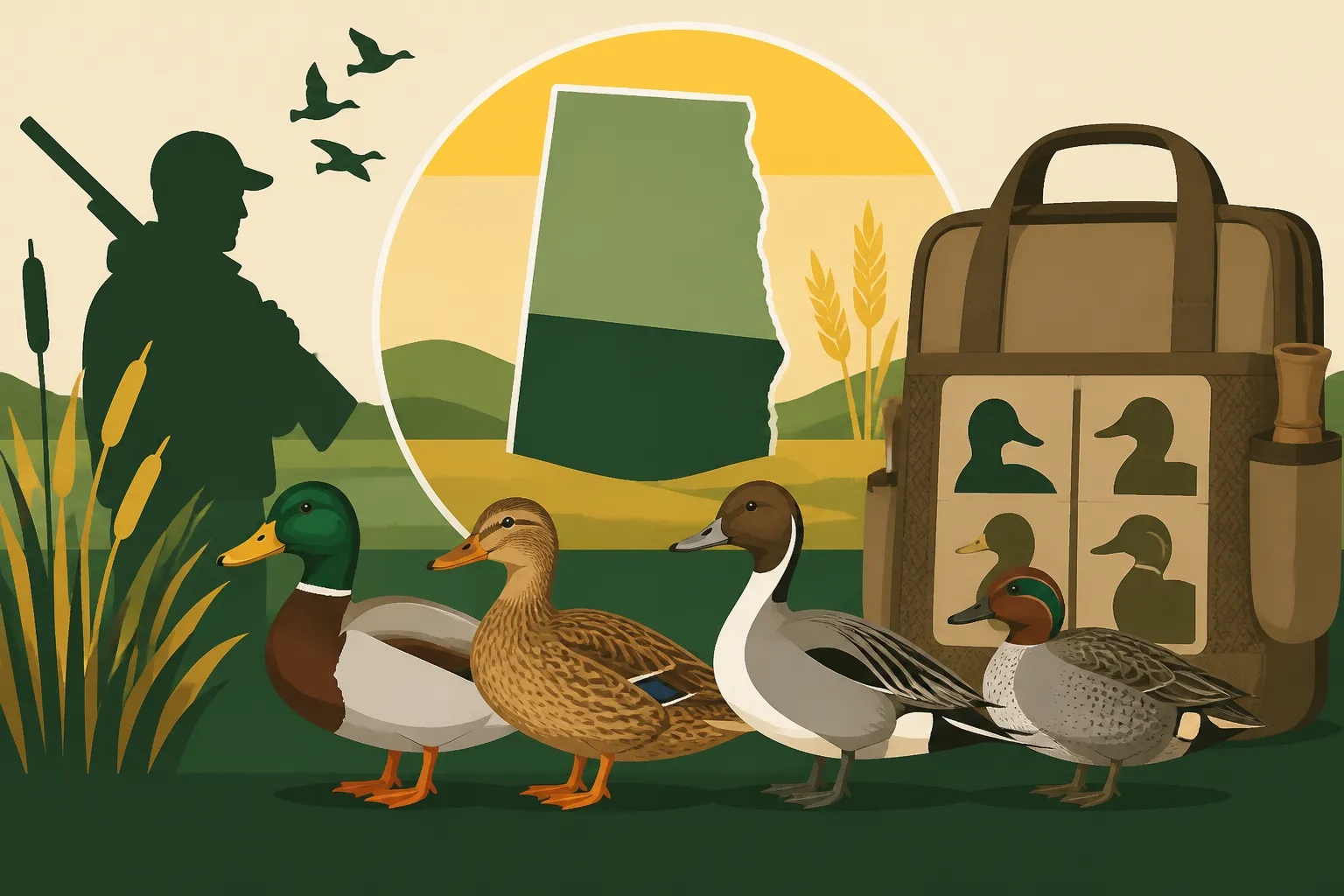
Picture this: it's early morning, the light is dim, and a flock of birds drops into your decoy spread at lightning speed. You raise your gun, pick a target, and boom! A beautiful duck falls. Now, the critical moment: what kind of duck is it? This isn't just an academic exercise; it dictates whether you're still within your legal limit. The pressure of quick identification in the heat of the moment is real. Many ducks can look similar, especially hens. For instance, a female mallard can easily be confused with a female pintail or even a black duck in certain conditions, and their limits are often different.
Responsible hunting demands that you are confident in your species identification before you pull the trigger. If you can't positively identify it, you shouldn't shoot it. Ethical hunters strive to minimize mistakes and prioritize accuracy over volume. Knowing your ducks not only keeps you legal but also deepens your appreciation for the diverse wildlife you encounter. There are fantastic resources available, from detailed field guides to online apps, that can help sharpen your identification skills.
Deciphering Saskatchewan's Daily Bag Limits for Ducks
This is where the rubber meets the road. Understanding the specific numbers for each duck species is key to a successful and legal hunt. Saskatchewan's regulations, mirroring federal migratory bird regulations, break down duck limits in a few critical ways.
Understanding the "Aggregate" and "Species-Specific" Limits
When you look at the regulations, you'll notice that ducks aren't all lumped into one giant category. Instead, there's often an "aggregate" daily bag limit for ducks, which means the total number of all ducks you can shoot in a single day, regardless of species. However, within that aggregate limit, there are often species-specific limits for certain birds. This means even if you haven't hit your overall aggregate limit, you might have hit your maximum for a particular species.
For example, the overall daily bag limit for ducks might be eight. But within that eight, there might be a limit of two Northern Pintails. So, if you shoot two Pintails, you've hit your Pintail limit for the day, even if you've only shot two ducks total. You can then shoot six other ducks, provided you don't exceed any other species-specific limits. It’s a bit of a mental juggle, but it ensures that more vulnerable species aren't overharvested while allowing for a reasonable take of abundant species. It's also vital to remember the possession limit, which is typically three times the daily bag limit. This refers to the total number of birds you can have in your possession at any given time, including those at your camp, in your vehicle, or at home.
Key Duck Species and Their Individual Limits
Let's dive into the specifics that generally apply to Saskatchewan's duck seasons. It's always crucial to verify these details in the current year's Saskatchewan Hunters' and Trappers' Guide and the Federal Migratory Game Bird Hunting Regulations, as they can change annually based on population trends and conservation needs.
Here’s a general breakdown of common duck species and their typical daily bag limits:
| Species | Daily Bag Limit (Saskatchewan) | Notes |
|---|---|---|
| Mallard | 8 | No more than 2 hens |
| Northern Pintail | 2 | Often restricted due to population concerns |
| Canvasback | 2 | Distinctive red eye and sloped bill |
| Redhead | 2 | Bright red head, blue bill with white ring |
| Scaup (Greater & Lesser) | 6 | Often called Bluebills, can be hard to distinguish |
| Wigeon (American) | 8 | White patch on wing, often called "Baldpate" |
| Gadwall | 8 | White speculum, dark bill |
| Green-winged Teal | 6 | Small, fast fliers, males have green head patch |
| Blue-winged Teal | 6 | Males have distinct white crescent on face |
| Northern Shoveler | 8 | Large, spatulate bill |
| Ring-necked Duck | 8 | White ring at base of bill, often seen on smaller wetlands |
| Bufflehead | 8 | Small, black and white diving duck |
| Common Goldeneye | 8 | Round white spot below eye |
| Mergansers (all species) | 8 | Fish-eating ducks, distinctive serrated bills |
| Other Ducks | 8 | Applies to any duck not listed above or with specific limits |
| Total Aggregate Limit | 8 | Maximum number of all ducks combined, within species limits |
Note: These limits are illustrative and can change. Always consult the most current official regulations before hunting.
You'll notice that the total aggregate daily limit is often 8, but within that, species like Pintails, Canvasbacks, and Redheads have much tighter restrictions. This emphasizes the need for quick and accurate identification. For instance, if you're Pothole Hunting Prairie Ducks, you might encounter a wide array of species, making it even more important to be vigilant about your bag.
How Federal and Provincial Regulations Interact
Migratory bird hunting, including ducks, falls under federal jurisdiction in Canada. This means that Environment and Climate Change Canada (ECCC) sets the overarching framework, including season dates, shooting hours, and bag limits. However, provincial governments, like Saskatchewan's, can implement additional regulations, often related to licensing, land access, and specific hunting methods.
To hunt migratory game birds in Saskatchewan, you'll need both a Federal Migratory Game Bird Hunting Permit, which includes the Canadian Wildlife Habitat Conservation Stamp, and a Saskatchewan Wildlife Habitat Certificate. The federal permit is your green light for migratory birds, while the provincial certificate helps fund vital habitat conservation efforts right here in Saskatchewan. It's a dual system that ensures comprehensive management. Don't forget, too, that Non-Toxic Shot for Saskatchewan Waterfowl is mandatory when hunting migratory game birds. This is another crucial regulation aimed at protecting both birds and the environment.
Practical Strategies for Staying Within the Bag Limit
Hunting isn't just about pulling the trigger; it's a holistic experience that demands preparation, knowledge, and discipline. Staying within the legal bag limits for ducks is a key part of responsible hunting.
Pre-Hunt Preparation and Knowledge
The best defense against accidental violations is proactive preparation. Before the season even opens, make it a point to thoroughly review the current year's Saskatchewan Hunters' and Trappers' Guide and the Federal Migratory Game Bird Hunting Regulations. These documents are your bible for the upcoming season. Don't just skim them; read them cover to cover, paying close attention to the specific duck season dates and bag limits for your hunting zone.
Beyond the regulations, invest time in sharpening your species identification skills. Pick up a good waterfowl field guide or utilize online resources and mobile apps. Many apps now feature detailed photos, calls, and distinguishing characteristics that can be incredibly helpful. Websites like GoHunt (while primarily focused on big game) also often have sections or links to official government regulations, serving as a quick reference point for planning. You might even find it useful to scout an area before you hunt, observing the types of ducks present. Understanding the common species in a particular slough or field can give you a head start on what to expect when you're Hunting Ducks on a Saskatchewan Stubble Field or a nearby pothole.
In-Field Practices for Responsible Bagging
Once you're in the blind or along the marsh edge, good habits are your best friend. Firstly, only shoot when you are absolutely certain of the species. If there's any doubt, hold your fire. It’s far better to let a bird go than to risk an illegal harvest. Having a hunting partner who is also adept at identification can be a huge asset. Work together: one person can call out species as they approach, helping everyone make informed decisions.
Keep a running tally of your birds. A simple mental count is often enough, but some hunters prefer a small clicker counter or a notepad to keep track, especially if hunting a mixed bag with varying limits. As soon as a bird is down, prioritize its immediate retrieval. Not only is this ethically sound, preventing lost game, but it also ensures you know exactly what you've harvested and can count it against your limit. If a bird is crippled and flies off, and you cannot recover it, it still counts towards your daily bag limit. This highlights the importance of making clean, ethical shots. Using a platform like GoHunt, you can sometimes check real-time weather or local conditions that might affect bird movement, further informing your in-field strategy.
Managing Your Harvest and Possession Limits
The possession limit is designed to prevent hunters from stockpiling game over multiple days. While you can shoot your daily bag limit each day, you can't accumulate more than your possession limit over your entire trip. If the daily limit for ducks is eight and the possession limit is 24 (three times the daily), you could shoot eight ducks on Monday, eight on Tuesday, and eight on Wednesday, reaching your possession limit. From that point, you can only shoot more ducks if you have removed birds from your possession (e.g., eaten them, given them away legally, or had them processed).
Properly tagging and transporting your birds is also essential. Ensure all migratory birds are transported in a way that allows for easy species identification. This means leaving a wing attached to the bird until it's processed at your residence or a meat processor. Never try to "bank" birds by hiding them to circumvent possession limits. This is a serious offense. When preparing for a hunt, especially if you're travelling, consider your plan for Meat Care in Saskatchewan's Cold Snaps or warmer weather, to ensure your harvest is preserved properly and legally.
Common Misconceptions and Troubleshooting Duck Limit Issues
Even the most experienced waterfowl hunters can find themselves scratching their heads over a tricky regulation or an unexpected situation. It’s a testament to the dynamic nature of hunting and the need for constant vigilance.
The "Mixed Bag" Challenge
Perhaps the most common source of confusion regarding duck limits is the "mixed bag" scenario. You’re set up perfectly, ducks are flying, and you're dropping a variety of species. You might have shot a couple of mallards, a pintail, and a canvasback. Now you have to mentally (or physically) tally what you’ve shot against the overall aggregate limit and the specific limits for each species.
Let's use our example from earlier. Your aggregate daily limit is 8 ducks. Within that, you can only shoot 2 Pintails and 2 Canvasbacks. If you shoot 2 Pintails and 2 Canvasbacks, you've already filled those specific limits. You still have 4 spots left for "other ducks" (8 total – 4 specific = 4 remaining), but you cannot shoot any more Pintails or Canvasbacks. This requires you to be very mindful of what's coming into the spread and to pass on certain birds if you've already filled that particular quota. It's a dance of restraint and opportunity.
Keeping Up with Regulatory Changes
One of the biggest pitfalls for hunters is relying on old information. Duck limits and season dates are not set in stone; they are reviewed and adjusted annually by both federal and provincial wildlife agencies. These changes are driven by scientific data, population surveys, and environmental factors. For example, if a particular species had a poor breeding year due to drought, you might see a reduced bag limit for them in the subsequent season.
This means that you absolutely must consult the current year’s hunting regulations every single season. Don't assume last year's rules still apply. These regulations are published well in advance of the seasons and are readily available online on the Saskatchewan government's official hunting website. Reputable hunting resources like GoHunt often link directly to these government pages, making it easier to find the most up-to-date information. Staying informed is your responsibility as a hunter, and it’s a non-negotiable step to ensuring a legal and ethical hunt.
Disclaimer
The information provided in this guide is for general informational purposes only and is not a substitute for the official hunting regulations. Always consult the most current Saskatchewan Hunters' and Trappers' Guide and the Federal Migratory Game Bird Hunting Regulations before participating in any hunting activities. Regulations are subject to change, and it is the hunter's responsibility to know and comply with all applicable laws.