Geese That Stage in Saskatchewan
There's nothing quite like standing in the quiet dawn of a Saskatchewan fall morning, listening to the distant gabble and honk that grows into a roar as thousands upon thousands of geese take to the sky. It's an experience that can be overwhelming for hunters trying to figure out where to start, or even just for nature lovers trying to understand the sheer volume of birds that pass through. This guide is all about shedding light on why Saskatchewan becomes a critical pit stop for these incredible waterfowl, helping you understand the different species, where they congregate, and what makes this province such a vital staging ground.
The Grand Spectacle of Saskatchewan's Goose Migration
For many of us who live and breathe the Saskatchewan outdoors, the autumn goose migration isn't just a season; it's a phenomenon. It's the annual return of immense flocks, a natural calendar event that transforms our skies and fields into a bustling highway for feathered travelers. The sheer numbers can be breathtaking, and it's a truly humbling experience to witness. But why here? Why do these birds choose Saskatchewan as their temporary home before continuing their long journey south?
Why Saskatchewan is a Staging Mecca
Saskatchewan’s unique geographical position places it squarely in the middle of the Central Flyway, one of North America's major bird migration routes. This isn't just a convenient stopping point; it's a strategically perfect one. The province acts as a giant grocery store and safe haven rolled into one. When the birds arrive, they're looking to refuel and rest before tackling the next leg of their journey, and Saskatchewan delivers on both fronts. Our vast agricultural landscape, particularly the immense grain fields of the southern and central regions, provides an unparalleled food source. Think about those endless acres of wheat, barley, peas, and lentils – it's a smorgasbord for hungry geese. They feast on leftover grain from the harvest, building up vital fat reserves that are essential for their survival during migration.
Beyond the abundant food, the province also offers countless wetlands, sloughs, and large lakes, which serve as crucial roosting sites. These bodies of water provide safety from predators, allowing the geese to rest securely overnight before heading back out to the fields at first light. This combination of plentiful food and safe roosting makes Saskatchewan an irresistible magnet for migrating geese. It's a natural cycle that has played out for millennia, evolving alongside our agricultural practices to create this incredible staging ground.
Timing the Annual Arrival and Departure
Understanding the timing of the goose migration in Saskatchewan is like trying to predict the weather – there are general patterns, but Mother Nature always holds the final say. Generally, the early arrivals, primarily local Canada Geese and some early-migrating flocks, start showing up in late August and early September. These are often the first honkers you'll hear in the fields, signaling the start of the waterfowl season.
The true spectacle, however, usually kicks off in late September and continues through October. This is when the main push of snow geese, greater white-fronted geese (specklebellies), and additional waves of Canada geese flood into the province. The peak of the migration can be absolutely astonishing, with some days seeing hundreds of thousands, if not millions, of birds moving through. As October progresses into November, colder temperatures and significant snowfalls act as a natural alarm clock, signaling the birds to move further south. The last lingering flocks of Canada geese often hold out until the major bodies of water begin to freeze solid, sometimes even into early December, pushing the boundaries of Hunting the December Late Season Cold. A key factor is always the weather: an early cold snap can compress the migration into a shorter, more intense period, while a mild fall might stretch it out, keeping birds in the province for longer. Hunters often watch the long-range forecast closely, because a significant change in weather can literally change the landscape overnight as birds pack up and head south.
Major Goose Species That Stage Here
Saskatchewan sees a incredible diversity of geese passing through, but there are a few dominant species that really make their presence known. Each has its own characteristics, preferred foods, and vocalizations, making the hunting experience unique for each. Knowing who you're looking at (or listening to!) can make all the difference in your scouting and setup.
Canada Geese: Local Giants and Migratory Flocks
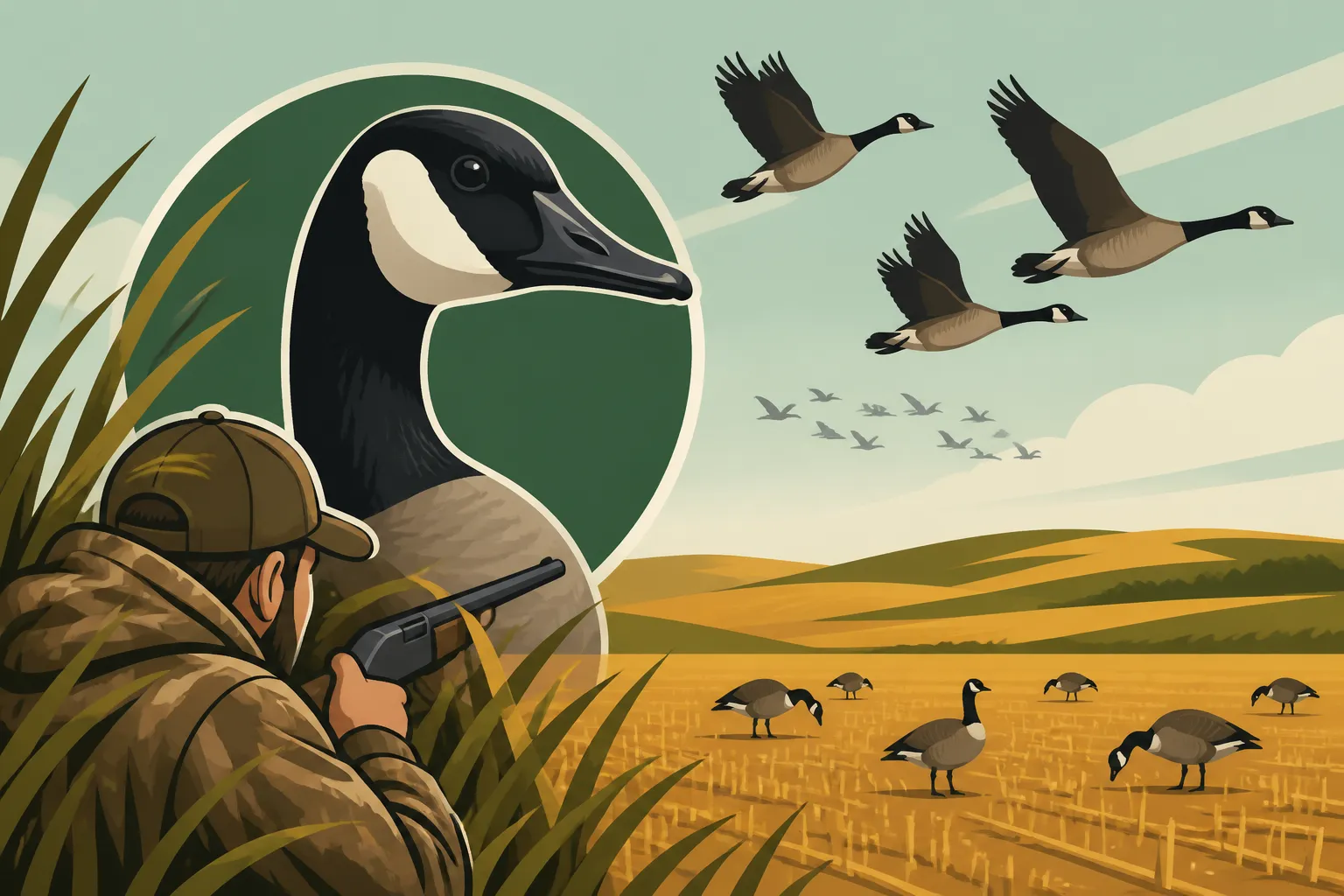
When most people think of geese, the Canada Goose is often the first image that comes to mind. In Saskatchewan, we have both resident populations that breed here and massive migratory flocks that pass through. Our local giants, often referred to as "honkers," are substantial birds, growing quite large thanks to our rich diet. They tend to be a bit more localized in their movements, establishing specific feeding and roosting patterns that can be predictable if you do your scouting. These resident birds provide excellent early-season hunting opportunities before the main migration hits.
Then there are the migratory flocks, often comprising several subspecies, from the large giant Canadas to the smaller Cackling Geese (which look like miniature Canadas). These birds arrive in waves from their northern breeding grounds, often in tight V-formations, announcing their presence with loud, unmistakable honks. They're incredibly smart birds, and successfully hunting them often requires careful concealment, realistic decoy spreads, and a good understanding of their flight paths. You'll find them hitting virtually any grain field, from stubble to standing crops, and often preferring large, open water bodies for roosting. They can be incredibly wary, especially after encountering hunting pressure, making a successful hunt a rewarding challenge.
Snow Geese: The White Tide of the Prairies
If you've ever witnessed a "snowstorm" of thousands upon thousands of white geese descending upon a field, you know the awe-inspiring sight of a Snow Goose migration. Saskatchewan is famous for its incredible numbers of Snow Geese, often accompanied by their slightly smaller cousins, Ross's Geese. These birds breed in the far Arctic and pass through Saskatchewan in truly staggering numbers, sometimes darkening the sky. Their sheer volume makes for an unforgettable experience, whether you're hunting them or just observing.
Snow geese are primarily grazers, preferring to feed on the waste grain left behind after harvest, but they will also dig for roots and shoots in marshy areas. They are incredibly vocal, producing a cacophony of high-pitched yelps and honks that can be heard for miles. Hunting them often involves setting up massive decoy spreads – sometimes hundreds or even thousands of decoys – to mimic a large feeding flock. The visual spectacle of a large spread combined with their distinctive calls makes Hunting Saskatchewan's Snow Goose Migration a truly unique endeavor. While they offer fantastic hunting opportunities, particularly during the spring snow goose season, their massive numbers also mean they can cause significant agricultural damage, making population management a complex but important task.
Specklebelly Geese: The Highly Prized Migrants
Often referred to as "specks" or Greater White-fronted Geese, these birds are considered by many hunters to be the crème de la crème of waterfowl. They are known for their distinctive high-pitched "laughing" call and their exquisite table fare. Specklebellies are a medium-sized goose, easily identified by their orange legs, pinkish-orange bill, and the characteristic black bars or "speckles" on their white belly. They are incredibly intelligent and wary, often flying higher than Canada geese and circling multiple times before committing to a field.
While not as numerous as snow geese, their challenging nature and superb meat make them highly sought after. They tend to prefer feeding in pea, lentil, or wheat stubble fields, often associating with Canada geese. When they commit to a decoy spread, their unique calling and landing approach is something every waterfowl hunter should experience. Successfully decoying a flock of specks is a testament to patience, good calling, and excellent concealment. They usually arrive a bit later than the first wave of Canada geese, often mingling with them in the same fields.
Other Less Common Visitors: Ross's and White-Fronts
While Canada, Snow, and Specklebelly Geese dominate the skies, Saskatchewan does host a few other interesting species. Ross's Geese are often seen mixed in with large flocks of Snow Geese. They are smaller than snows, with a daintier bill and a more rounded head. They share similar habitat and feeding preferences with snow geese, and their calls are also quite high-pitched, though distinct upon closer listening. Identifying them amongst a vast flock of snows can be a fun challenge for keen-eyed hunters.
Greater White-fronted Geese, which we've already covered as "specklebellies," are the primary "other" large goose that gets a lot of attention. However, there can also be occasional sightings of Brant, though these are much rarer and typically stick to coastal areas. For the most part, when you're scouting fields or setting up decoys in Saskatchewan, you'll be focusing on the big three: Canada, Snow, and Specklebellies. The beauty of waterfowl hunting here is that you never quite know what might drop into your spread, adding an element of surprise to every hunt.
Key Staging Areas Across the Province
Saskatchewan is a big province, and while geese can turn up almost anywhere there's food and water, some areas are definitely more famous for their incredible concentrations. These aren't just random spots; they're ecological sweet spots where the landscape perfectly aligns with the needs of migrating waterfowl. Knowing these general areas is crucial for anyone planning a goose hunting adventure or simply hoping to witness the spectacle.
Famous Grain Belt Hotspots
The vast agricultural belt that stretches across central and southern Saskatchewan is the undisputed heart of the goose staging action. This immense checkerboard of fields, interspersed with thousands of sloughs and larger lakes, provides everything a goose needs. Places like the Quill Lakes region in east-central Saskatchewan are legendary. This area is home to one of the largest inland saline lakes in North America, attracting huge numbers of both migratory birds and unique shorebird species. The surrounding grain fields provide an endless buffet, making it a world-renowned destination for waterfowl.
Another classic hotspot is the Last Mountain Lake area. Last Mountain Lake is Canada's first federal bird sanctuary, established over a century ago. Its protected waters and the surrounding rich farmland create an ideal staging ground. Farther west, the regions around Kindersley, Rosetown, and Swift Current also consistently see heavy concentrations, especially of Canada Geese and Specklebellies. These areas are characterized by extensive cereal grain and pulse crop production, which translates directly into prime feeding opportunities for migrating birds. Many hunters leverage tools like GoHunt to scout these regions, identifying public access points and understanding land boundaries before knocking on doors for permission.
The Importance of Wetland and Roosting Sites
While the grain fields are the dining rooms, the wetlands and larger water bodies are the essential bedrooms and safe havens for staging geese. Without secure roosting sites, geese cannot safely rest and digest their meals, making the entire staging process unsustainable. Saskatchewan's prairie landscape is dotted with millions of potholes and sloughs, which serve as critical smaller roosts, especially for Canada geese. These can be tiny, ephemeral puddles in a field or larger, more permanent wetlands.
However, the major staging movements often revolve around larger lakes and reservoirs. Lakes like Lake Diefenbaker, the Quill Lakes, and countless other smaller but significant bodies of water provide the vast, open expanses that thousands of geese need to feel safe from predators like coyotes and foxes. These larger roosts act as central hubs. In the mornings, geese will fly out in waves from these roosts to feed in surrounding fields, returning again in the evenings. Understanding this daily cycle, and identifying both the primary roosts and the fields they're flying to, is fundamental to successful goose hunting in Saskatchewan. Often, the best hunting spots are located along the flight lines between these roosts and feeding areas.
How Weather Influences Staging Locations
Weather is a game-changer when it comes to goose staging patterns. It's the ultimate choreographer of their movements. In the early fall, mild temperatures might keep birds spread out across a wider area, content to linger in fields for longer periods. However, a significant cold front, especially one that brings early snow, can drastically alter their behavior. Snow cover can make waste grain inaccessible, forcing birds to move to areas where the fields are clear or to seek out alternative food sources. This can concentrate geese into fewer, more accessible fields, or push them further south entirely.
Wind direction and strength also play a huge role. Geese prefer to fly and land into the wind, so understanding the prevailing winds can help predict their flight paths. Heavy winds might keep them lower or make them less willing to fly long distances between roosts and feeding areas. Similarly, a prolonged mild spell can prolong their stay in Saskatchewan, allowing them to continue building fat reserves. Conversely, a sudden, deep freeze can cause a mass exodus as critical water bodies freeze over, eliminating their roosting options. This constant interplay of temperature, snow, and wind means that scouting is an ongoing process, often requiring daily adjustments to your hunting strategy.
Understanding Goose Behavior on Staging Grounds
To be truly successful in hunting geese, or simply to appreciate their incredible adaptability, you need to understand their behavior. Geese aren't random; they operate on a finely tuned instinctual rhythm dictated by survival. From what they eat to where they sleep, every action has a purpose, and learning to read these patterns is key to unlocking the secrets of Saskatchewan's staging grounds.
Feeding Patterns and Field Preferences
Geese are opportunists when it comes to food, but they do have preferences, especially on staging grounds where they're trying to pack on calories efficiently. The vast majority of their diet in Saskatchewan consists of waste grain left in fields after harvest. You'll find them hitting barley, wheat, oat, pea, and lentil stubble fields with gusto. These fields offer easily accessible, high-energy food sources.
- Barley and Wheat Stubble: These are absolute magnets. The small, dense kernels provide a concentrated food source, and the stubble offers some concealment while feeding. Geese will spend hours meticulously gleaning every last bit of grain.
- Pea and Lentil Fields: After harvest, these fields can be particularly attractive to both Canada Geese and Specklebellies. The larger legume seeds are packed with protein and energy, making them highly sought after. If you're looking to target specks, finding a recently harvested pea or lentil field is often a great bet. Consider checking out tips for Hunting a Pea Field After Harvest or Hunting a Lentil Field Edge.
- Standing Crops: While less common, in some situations, geese will even enter standing crops, particularly canola, to feed on fallen seeds or lower leaves, especially if other fields are picked clean or covered in snow. This isn't ideal for farmers, of course, but it shows their adaptability. For more on this, you might explore Hunting a Standing Canola Field Edge.
Their feeding patterns are often cyclical: they fly out from roosts at first light, feed for several hours, sometimes return to water for a mid-day rest and drink, then head back out for an afternoon feed before returning to their roost at dusk. This daily rhythm is what hunters try to intercept.
Roosting Habits and Daily Movements
As we discussed, roosting sites are paramount. Geese need large, open bodies of water where they feel safe from land predators. Lakes, large sloughs, and even wide rivers serve this purpose. They will fly considerable distances, sometimes 10-20 miles or more, from their roost to their chosen feeding fields for the day. This creates distinct flight corridors, which are often prime locations for setting up a hunt.
Their daily movements are incredibly predictable once established. The morning flight typically starts around civil twilight, as soon as there's enough light to navigate. They lift off in waves, often forming large V-formations or undulating lines, heading directly to their chosen fields. After their morning feed, they might spend a couple of hours loafing, preening, or drinking on a smaller slough near the feeding field, or return to the main roost. The afternoon flight usually starts a few hours before sunset, for another feeding session, before making their final flight back to the safety of the main roost as darkness falls. Understanding these patterns is critical for knowing when and where to set up.
Decoy Spreads and Calling Strategies for Staging Geese
Hunting staging geese successfully involves mastering the art of the decoy spread and calling. The strategy varies significantly depending on the species.
- Snow Geese: For snow geese, size matters. We're talking about massive spreads, often hundreds, if not thousands, of white decoys (or "rags"). The goal is to mimic a huge, undisturbed feeding flock, making the incoming birds feel safe. Flagging – using white flags to simulate birds flapping their wings – is also incredibly effective, especially from a distance. Their calls are high-pitched, frenzied yelps, and a good electronic call can be very effective in pulling in large flocks. Learning about Hunting Snow Geese Over a Big Spread is essential.
- Canada Geese: Canada geese require a more nuanced approach. While you still want a good spread, it doesn't need to be quite as overwhelming as for snows. High-quality full-body or shell decoys that look realistic are often more effective than sheer numbers. Placement is key, creating pockets and landing zones. Calling is crucial for Canadas; a variety of honks, clucks, and greetings can bring them in. Understanding when and how to use various calls, like Grunt Calls Late in Saskatchewan's Rut (though this is for deer, the principle of timing and species-specific calls applies), or simply aggressive flagging, can seal the deal.
- Specklebelly Geese: Specks are perhaps the most challenging. They are wary and often require the most realistic spreads, including specialized speck decoys. They respond well to specific "laughing" calls, which are very different from Canada or snow goose calls. A combination spread with Canada geese can sometimes be effective, as specks often associate with them. A strategic approach to Setting a Goose Spread in Swathed Barley for any species will take into account the field type, wind, and desired landing zone.
Regardless of the species, concealment is paramount. Geese have incredible eyesight, and if they spot anything out of place, they'll flare instantly. Lay-down blinds, natural cover, and camouflage that blends perfectly with the field are essential.
The Impact of Staging Geese on Habitat and Hunters
The massive numbers of geese that stage in Saskatchewan bring both awe and challenges. While they provide incredible hunting opportunities and a natural spectacle, their presence also has significant ecological and economic implications, particularly for the agricultural sector. Understanding these impacts is crucial for appreciating the full picture of waterfowl management in the province.
Agricultural Damage and Management
When thousands upon thousands of geese descend on a farmer's field, it can be a devastating sight. The primary concern is crop depredation. Geese, especially snow geese in large numbers, can consume vast quantities of leftover waste grain, which might not seem like an issue, but they can also damage standing crops or newly seeded fields, creating significant financial losses for producers. They can also compact soil, leading to further issues for future planting. Farmers invest heavily in their crops, and seeing a flock of geese wipe out a portion of their potential income is understandably frustrating.
To manage this, various strategies are employed. Farmers often use hazing techniques, like propane cannons, effigies, or even vehicles, to try and scare birds away from their fields. However, geese are smart and quickly become accustomed to these deterrents. Hunting plays a vital role in population control, particularly for species like snow geese, which have seen their populations grow exponentially. The open Spring Snow Goose Season Rules in Saskatchewan, for example, are designed to encourage hunters to harvest these birds, helping to mitigate their impact on agricultural lands and their own fragile Arctic breeding grounds. Maintaining good relationships with landowners, as discussed in Getting Permission for a Goose Field, is also crucial, as their tolerance for geese on their land directly impacts hunting access.
Conservation Efforts and Sustainable Hunting
The incredible numbers of geese we see staging in Saskatchewan are a testament to successful conservation efforts over many decades. Organizations like Ducks Unlimited Canada, the Saskatchewan Wildlife Federation, and government agencies work tirelessly to preserve and enhance wetland habitats across the prairies. These habitats are not only crucial for breeding ducks and geese but also serve as vital resting and feeding areas during migration. The very existence of such strong populations underscores the importance of these ongoing efforts.
Hunters are a significant part of this conservation success story. Through licence fees and excise taxes on hunting equipment, hunters contribute billions of dollars annually to conservation funding across North America. In Saskatchewan, initiatives like the Wildlife Habitat Certificate directly support habitat preservation and enhancement. Ethical and responsible hunting practices, adhering to bag limits and season dates, ensure that goose populations remain healthy and sustainable for future generations to enjoy. It's a delicate balance: providing ample opportunity for hunters to participate in the harvest while also ensuring that populations remain robust and that agricultural impacts are managed.
It’s important for hunters to be aware of The Habitat Conservation Stamp Requirement as this directly funds projects that benefit all migratory birds, including the geese we love to pursue. These stamps are a small but mighty way for every hunter to contribute to the bigger picture of conservation.
Comparing Saskatchewan's Main Staging Goose Species
| Feature | Canada Goose | Snow Goose | Specklebelly Goose (White-fronted) |
|---|---|---|---|
| Size | Large to very large (Giant Canadas) | Medium (slightly smaller than large Canadas) | Medium (similar to smaller Canada Geese) |
| Plumage | Brown body, black neck/head, white chin strap | All white (adults), dusky grey (juveniles) | Grey-brown body, black belly bars, white face patch |
| Bill Color | Black | Pinkish, often with a "grin patch" | Pinkish-orange |
| Leg Color | Black | Pinkish | Orange |
| Primary Call | Deep "honk" or "cackle" | High-pitched "yelp" or "bark" | Distinctive high-pitched "laughing" call |
| Preferred Fields | Barley, wheat, peas, lentils, corn stubble | Wheat, barley, pea stubble; roots in marshy areas | Peas, lentils, wheat stubble |
| Hunting Strategy | Realistic full-body decoys, good calling | Large spreads (hundreds/thousands), flagging | Realistic full-body decoys, specialized calling |
| Waryness | Very wary, especially under pressure | Can be less wary in massive flocks, but wary in small groups | Extremely wary and intelligent |
| Table Fare | Excellent | Good, especially juveniles | Considered exceptional |
| Season Dates | Generally early Sept. – mid-Dec. | Early Sept. – mid-Dec. (plus Spring Conservation Season) | Early Sept. – mid-Dec. |
This article is for general informational purposes only and does not constitute professional advice. Laws, prices and regulations vary by location and change over time. Consult a qualified professional for guidance on your specific situation.