Do Wolves Affect Saskatchewan Moose Numbers?
It’s a question that echoes through many a hunting camp, especially after a quiet season or a sighting of a fresh wolf track: do wolves actually impact Saskatchewan's moose numbers? It’s a valid concern, and one that often leads to lively discussions around the campfire. This guide aims to pull back the curtain on the intricate relationship between wolves and moose in our province, exploring the various factors at play and offering a clearer picture of what truly influences the health of our moose populations.
The Dynamic Dance: Wolves and Moose in Saskatchewan's Ecosystem
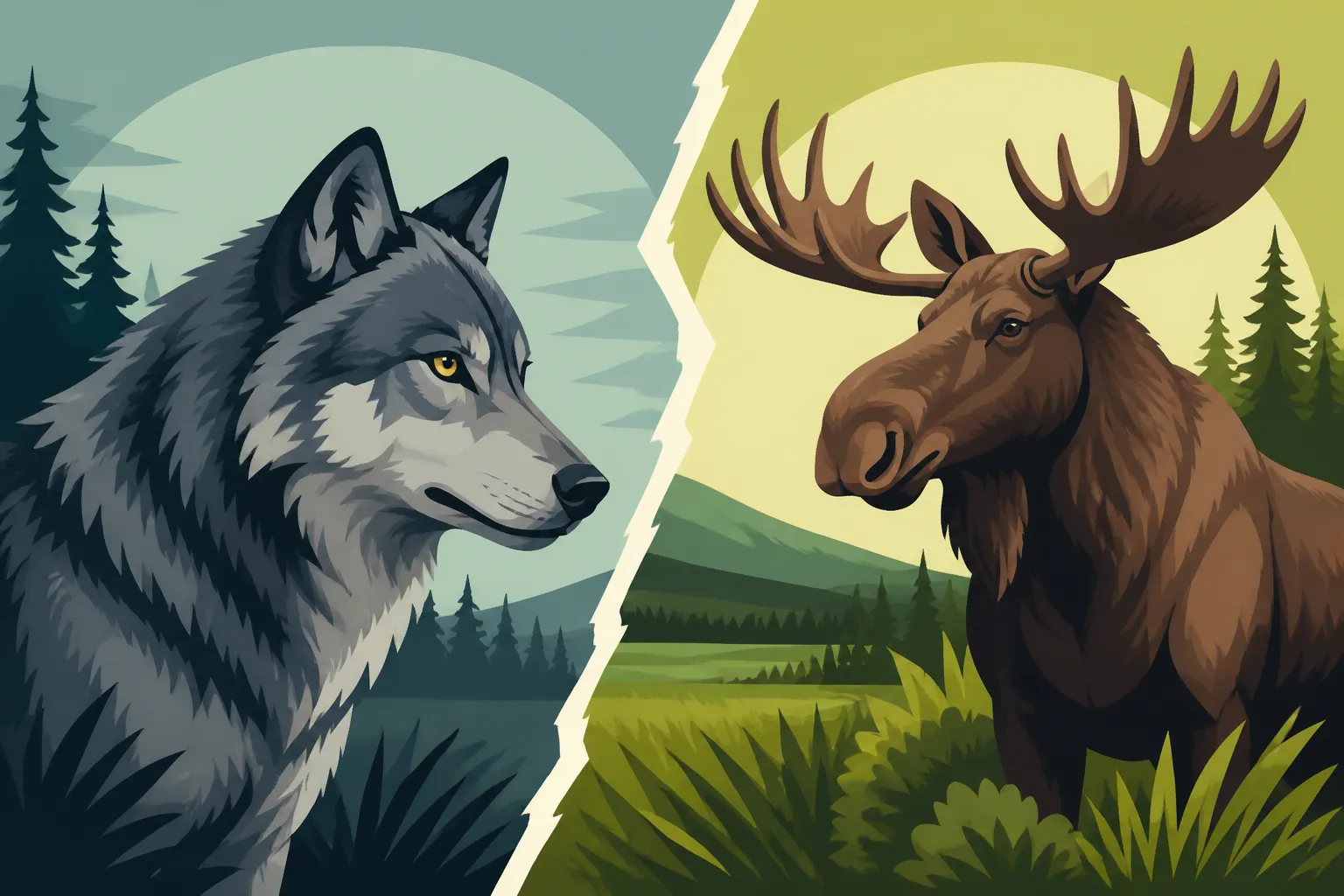
The relationship between wolves and moose isn't a simple one where more wolves automatically mean fewer moose. It's a complex, age-old dance that plays out across the vast landscapes of Saskatchewan, shaping both species in profound ways. Understanding this deep ecological connection is the first step to truly grasping how wolves fit into the bigger picture of moose population dynamics.
A Historical Perspective on Predator-Prey Dynamics
For thousands of years, wolves and moose have co-existed in North America, locked in a perpetual struggle that ultimately benefits the health of both species. This isn't just about survival; it's about evolution and natural selection in action. Wolves naturally target the vulnerable – the very young, the old, the injured, or the sick. This selective pressure helps to prune the herd, removing weaker individuals and ensuring that the strongest, most genetically robust moose are the ones that survive to reproduce. Think of it as nature's way of keeping the moose herd lean, mean, and resilient against disease and harsh conditions.
Without predators like wolves, moose populations can sometimes explode beyond the carrying capacity of their habitat. This leads to over-browsing, which degrades the very food sources they depend on, ultimately leading to widespread starvation and disease. So, while it might feel counterintuitive when you're hoping for a big bull, wolves play a crucial role in maintaining a balanced ecosystem, preventing a boom-and-bust cycle that could be far more detrimental to moose in the long run. It's a tough truth, but one that ecological studies consistently affirm.
Where Wolves and Moose Overlap in Saskatchewan
In Saskatchewan, the primary theatre for this predator-prey drama is the vast expanse of the boreal forest and the rich forest fringe country. This is where moose thrive, finding abundant browse, water, and cover. It's also prime wolf country, with ample wilderness for packs to establish territories and hunt. You'll encounter this dynamic most intensely in zones like the Nipawin and Hudson Bay areas, extending up into the deeper northern forests. Here, the landscape of dense spruce and pine, interspersed with wetlands, bogs, and poplar stands, provides both excellent habitat for moose and ideal hunting grounds for wolves.
As moose populations have expanded into some of the more settled agricultural areas, particularly along river valleys and in the aspen parkland, wolves have often followed. This brings a different set of challenges and interactions, as these areas tend to have more human activity and fragmented habitat. However, the core of the wolf-moose relationship remains deeply rooted in the wilder, less disturbed northern reaches of the province. Hunters pursuing Moose in Saskatchewan's Farmland and Forest will still be very aware of wolf presence, even if the habitat is a mix of agricultural land and bush. Understanding these overlaps helps you interpret what you see in the field – that fresh set of tracks isn't always a sign of impending doom for your hunt, but rather an indicator of a healthy, active ecosystem.
Unpacking the Complexities of Predation Impact
When we talk about wolves affecting moose numbers, it's easy to jump to conclusions, imagining wolves decimating herds. The reality, however, is far more nuanced. Predation is a powerful force, but it rarely acts in isolation, and its effects on a prey population are shaped by many contributing factors.
Direct Predation Versus Population Regulation
It's tempting to think of wolf predation as a direct subtraction from the moose population, but it's more like a finely tuned regulatory mechanism. Wolves are opportunistic hunters, and they are incredibly efficient at finding the easiest meal. This means they're not just picking off any moose; they're generally targeting animals that are already compromised. A calf that didn't get enough nourishment from its mother, an older cow with failing teeth, or a bull weakened after the When Saskatchewan's Moose Rut Peaks are all much more likely to become wolf prey than a healthy, prime-aged moose.
This isn't just theory; observations show that wolf packs play a critical role in culling individuals that would likely perish anyway from disease, injury, or starvation during a harsh winter. By removing these vulnerable animals, wolves help to prevent the spread of disease, reduce competition for limited resources, and maintain the overall fitness and genetic strength of the moose herd. So, while direct predation on any individual moose is certainly a tragic loss for that animal, at a population level, it's often a form of natural selection that strengthens the herd over time. The idea isn't that wolves eradicate moose; it's that they help sculpt a more robust and adaptable moose population.
The "Saskatchewan Factor" – Other Prey Species
One significant aspect of the Saskatchewan ecosystem that often gets overlooked in discussions about wolves and moose is the sheer diversity of prey available to Saskatchewan's Predators and Furbearers. Unlike some regions where moose might be the wolf's primary, or even sole, large ungulate prey, Saskatchewan offers a buffet of options. Whitetail deer are incredibly abundant across much of the province, especially in the forest fringe and parkland. In some areas, elk populations are thriving, and even the occasional mule deer might be on the menu.
This "prey switching" phenomenon is crucial. When there are plenty of deer or elk available, wolf packs can disperse their hunting efforts, taking pressure off moose. This buffer effect means that moose populations often experience less intense, sustained predation than they might in a single-prey system. While wolves are undoubtedly capable of taking down a large bull moose, if a pack can consistently find easier meals in the form of deer, they will often do so. This ecological flexibility contributes to the stability of moose numbers, even in areas with healthy wolf populations. It’s a testament to the richness of Saskatchewan's wildlife diversity that our wolves aren't solely reliant on moose, which indirectly helps to sustain moose numbers. Knowing that Wolves in Saskatchewan's North have options beyond just moose can shift how you view the dynamic in your hunting area.
Beyond the Wolf: Other Critical Factors Affecting Moose Numbers
While wolf predation is a natural and often beneficial part of the ecosystem, it's rarely the sole or even the primary driver of long-term moose population trends. Hunters, land managers, and wildlife biologists all agree that several other factors exert far more significant influence on how many moose Saskatchewan has, and where they thrive or decline.
Habitat Quality and Availability
Hands down, habitat is king when it comes to wildlife populations. For moose, this means access to abundant, high-quality browse, escape cover, and reliable water sources. Changes to the landscape, whether through human activity or natural events, have a profound impact. Extensive logging operations can initially create good browse with new growth, but continuous, large-scale clear-cutting can also fragment core moose habitat, making it harder for them to find sanctuary and food year-round. Similarly, large wildfires can reset an ecosystem, eventually leading to a flush of palatable browse, but in the immediate aftermath, they can displace animals and destroy critical wintering areas.
Think about the spread of human development, too. Roads, pipelines, and agricultural expansion all eat away at contiguous habitat, creating more edge areas that might be utilized but also increasing exposure to human disturbance and even poaching. When you're scouting for moose, you're really looking for good habitat first and foremost. A quarter section with perfect browse and thick cover will often hold moose, regardless of what the wolf population is doing nearby, because it provides the necessities of life. Areas like Hunting an Old Logging Road in the North or Hunting a Beaver Dam Crossing often concentrate moose precisely because of the habitat they offer.
Climate Change and Disease
The subtle, long-term shifts in climate are having an undeniable impact on moose populations, particularly through the proliferation of parasites and diseases. One of the most talked-about concerns, especially in our northern forests, is the winter tick. Milder winters, with shorter periods of deep cold and prolonged snow cover, allow more winter ticks to survive and reproduce. A severe infestation can literally bleed a moose dry, causing significant hair loss, behavioural changes, and leaving them weakened and vulnerable to the cold, starvation, or indeed, wolf predation. How Winter Ticks Affect Northern Moose is a very real issue that can decimate calf crops and severely stress adult moose.
Beyond ticks, changing climate patterns can affect vegetation growth, water availability, and even the energetic demands on moose. Hotter summers can cause significant heat stress for these large, cold-adapted animals, leading to reduced foraging and overall poorer body condition. While Saskatchewan's moose populations are relatively robust, these environmental stressors are an insidious, underlying pressure that can weaken herds and make them more susceptible to other challenges, including disease, and yes, predation.
Hunter Harvest and Management Strategies
Let's be honest, human hunters also play a role in moose numbers. The province's wildlife management framework, including the Saskatchewan's Moose Population Trend, aims to balance hunter opportunity with sustainable populations. This involves setting licence quotas, implementing draw systems, and sometimes issuing antlerless permits to manage herd growth in specific zones. When hunter harvest is managed properly, it's a sustainable activity that provides recreation and meat without jeopardizing the overall population.
However, if harvest rates were to become too high, or if vulnerable segments of the population (like cows with calves) were over-harvested, it could certainly impact moose numbers. This is why strict regulations are in place and why wildlife managers closely monitor population data. The ongoing challenge for wildlife managers is to set those harvest levels in a way that accounts for all factors, including habitat, disease, and predator presence, to ensure healthy moose populations for future generations. Understanding the rules around Saskatchewan Moose Season Dates and the rationale behind them helps hunters be part of the solution, not the problem.
The Hunter's Perspective: What This Means for Your Hunt
As hunters, our boots-on-the-ground observations are incredibly valuable, but it's equally important to filter those observations through a broader understanding of wildlife ecology. Seeing wolf tracks or hearing howls is a part of hunting Saskatchewan's wild country, and it doesn't necessarily mean your chances of filling a tag are dashed.
Understanding Population Trends and Data
It’s completely natural to connect the dots between hearing more wolves and seeing fewer moose. However, the true picture of Saskatchewan's Moose Population Trend is often far more complex than what we can observe in a single hunting season or even in a specific local area. Wildlife agencies conduct surveys, study habitat, and collect data on disease prevalence to paint a comprehensive picture. It's important for us as hunters to engage with this information and recognize that local fluctuations in animal numbers can occur for many reasons that aren't immediately obvious.
Platforms like GoHunt, or simply connecting with the provincial wildlife authorities, can provide valuable insights into broader trends and management zones. Instead of relying solely on anecdotal evidence, which can be prone to bias, try to understand the larger context. Is the overall provincial trend stable, increasing, or decreasing? Are there specific issues in your chosen Hunting Saskatchewan's Northern Lake Country or region that are known to be affecting moose? A healthy skepticism about easy answers and an openness to learning more about complex ecological relationships will make you a more informed and effective hunter. What a Bull Moose Weighs in the North can also give you clues to herd health and population vigour.
Adapting Your Hunting Strategy
Knowing that wolves are part of the ecosystem doesn't mean you should pack up your gear and go home. Instead, it means you might need to adapt your hunting strategy. Moose that live in areas with active wolf packs are often more wary, more secretive, and more sensitive to disturbance. They might spend more time in dense cover, move less frequently during daylight hours, or utilize different types of terrain for escape and security. This means as a hunter, you might need to:
- Focus on Cover: Instead of open areas, concentrate your efforts on thick stands of timber, dense willow swamps, or the edges of muskegs where moose feel more secure. Hunting a Boreal Muskeg Edge can be incredibly productive, as wolves might be less inclined to push into such dense terrain.
- Increase Patience: Moose in predator-rich environments often don't move far or fast. Sitting still in a good location, especially when Calling a Bull Moose in the Rut, and being incredibly patient can pay off more than constant still-hunting.
- Observe Sign Intently: Fresh tracks, rubs, and beds can tell you not only that moose are in the area, but also how recently they've passed through and what their travel patterns might be. If you notice signs of wolf activity, it might indicate moose have moved even deeper into impenetrable cover.
- Understand Pressure: Moose can be pushed out of an area by consistent wolf activity, but also by heavy human hunting pressure. Factor both into your scouting.
Ultimately, hunting in a predator-rich environment sharpens your skills. It demands more from you as a hunter – more patience, more attention to detail, and a deeper understanding of animal behaviour. And when you finally connect with that moose from Where Saskatchewan's Biggest Bulls Come From in such a dynamic environment, the sense of accomplishment is that much greater.
| Factor Affecting Moose Numbers | Direct Impact on Moose | How Wolves Influence It | Hunter's Takeaway |
|---|---|---|---|
| Habitat Quality | Direct access to food, cover, water. Healthy browse leads to healthy moose. | Wolves don't directly affect habitat, but moose might select areas with denser cover to avoid predation. | Focus on areas with diverse and abundant browse and thick cover. |
| Disease/Parasites | Weakens animals, reduces survival rates, impacts reproduction. (e.g., Winter Ticks) | Wolves often cull diseased/weakened animals, potentially limiting spread, but don't cause disease. | Healthy habitat helps moose resist disease. Look for signs of stressed animals. |
| Climate/Weather | Affects forage availability, heat stress, tick survival, winter survival. | Indirectly, a harsh winter (that weakens moose) makes them more vulnerable to wolf predation. | Consider how recent weather patterns might affect moose health and movement. |
| Human Harvest | Direct removal of animals from the population. | None directly. Managed by wildlife agencies to avoid over-harvest, considering all factors. | Hunt ethically, adhere to regulations, and support sound wildlife management. |
| Wolf Predation | Direct removal of individual moose, often weakest. | Primary role is population regulation, culling weak individuals, promoting herd health. | Expect wary moose. Focus on thick cover. Wolves are part of the healthy ecosystem. |
| Other Prey Species | Competition for forage if too many deer, but generally minimal impact. | Buffers moose populations by providing alternative food sources for wolves. | More diverse prey for wolves can mean less intense pressure on moose. |
Disclaimer
This article is for general informational purposes only and does not constitute professional advice. Laws, prices and regulations vary by location and change over time. Consult a qualified professional for guidance on your specific situation.