Saskatchewan Heated Blinds and Late Season Camps
Oh, the late season. It calls to a certain kind of hunter, doesn't it? The crisp air, the snow-covered landscape, the promise of a big buck driven by the tail end of the rut or seeking winter feed. But let's be real, the thought of sitting for hours in Saskatchewan's biting December wind can freeze the enthusiasm right out of you. This guide is all about tackling that exact problem, showing you how heated blinds and dedicated late-season camps aren't just luxuries, but smart strategies to stay comfortable, extend your hunt, and ultimately, increase your chances of success in the deep cold.
The Challenge of Late-Season Saskatchewan Hunting
Hunting in Saskatchewan during the late season, particularly from late November through December, offers incredible opportunities for mature deer. However, it also presents some of the most brutal conditions Mother Nature can dish out. We're talking about temperatures that can plummet well below freezing, often accompanied by wind chill factors that make it feel even colder. This isn't just uncomfortable; it fundamentally changes how you hunt and how game animals behave.
Battling the Extreme Cold
Anyone who has spent a full day in a stand when the mercury drops knows it’s a battle of endurance. Your fingers and toes are the first to suffer, even with the best layering system. The cold creeps into your core, making it hard to focus, to draw your bow smoothly, or even to hold a rifle steady. Vision can blur from watering eyes, and the sound of your own shivering can mask subtle noises in the bush. It's a relentless assault that tests your resolve, and frankly, it often sends hunters back to camp earlier than planned, missing prime opportunities. You can layer up all you want, but there's a limit to what traditional cold-weather gear can do when you're sitting relatively still for hours on end. Dressing for Saskatchewan's November Cold is essential, but even that has its limits when the cold really settles in.
Short Daylight Hours and Animal Movement
Late season also means significantly shorter daylight hours. This might seem like a small detail, but it compresses the prime hunting windows, often just dawn and dusk, into even tighter periods. Deer, especially mature bucks, become incredibly nocturnal as the pressure from hunting seasons mounts and winter approaches. They often move minimally during the day, reserving their energy. This means hunters need to maximize every minute of legal shooting light, and being too cold to stay out for those critical final minutes can be the difference between a successful hunt and an empty tag. When the snow is deep, Where Saskatchewan Whitetails Bed in Snow becomes even more important to understand, as their movements are often dictated by finding the path of least resistance and staying out of the biting wind.
The Mental and Physical Toll
Beyond the purely physical discomfort, the extreme cold takes a serious mental toll. It's tough to stay positive and alert when you're constantly fighting off shivers. Your patience wears thin, your focus wanes, and you might start making mistakes that you wouldn't otherwise. The mental game is a huge part of hunting, and when you're distracted by the cold, it's hard to be at your best. Hypothermia is a real concern, and even milder forms of cold stress can lead to impaired judgment. Imagine sitting motionless for hours, scanning for movement, when all your body wants to do is curl up and get warm. This isn't just about bagging an animal; it's about making the experience enjoyable and safe. Many hunters find themselves asking, "Is this truly fun anymore?" when their teeth are chattering uncontrollably. This is precisely why specialized gear and comfortable setups become so appealing.
Understanding Heated Blinds for Late Season
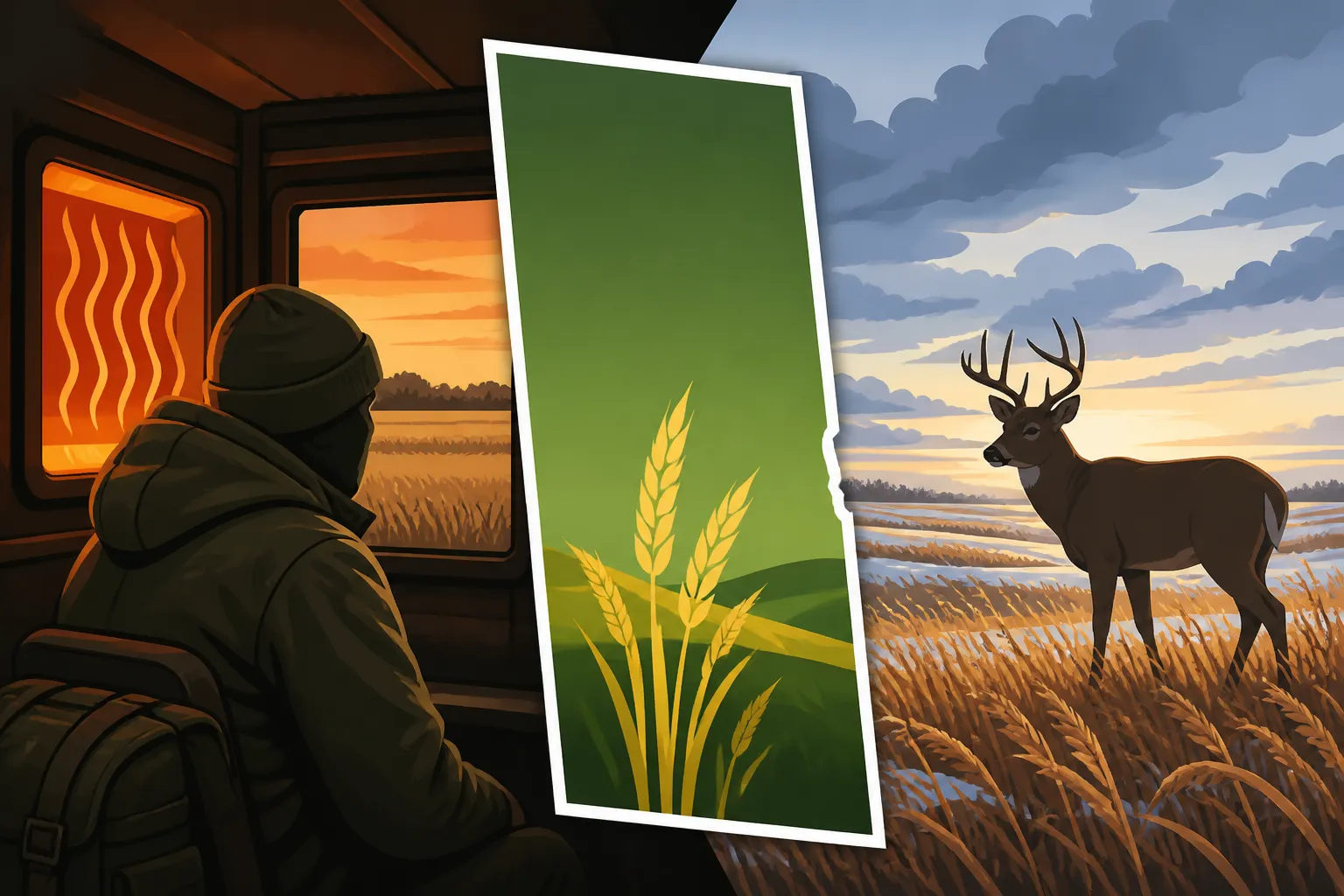
Heated blinds are a game-changer for late-season hunting in Saskatchewan, transforming what could be a miserable experience into an enjoyable and productive one. These aren't just pop-up blinds with a small heater; we're talking about purpose-built structures designed to keep hunters warm, dry, and focused, even when the thermometer dips dangerously low.
Types of Heated Blinds
Heated blinds come in a few main varieties, each with its own benefits. You might encounter sturdy, permanent structures resembling small cabins, often strategically placed on prime deer travel routes or near known feeding areas. These can be insulated and feature windows that open quietly, offering excellent visibility while keeping the warmth in. Many outfitters have invested heavily in these permanent structures, understanding their value for client comfort and success.
Then there are portable, yet robust, hard-sided blinds that can be moved with equipment. These often have composite walls that provide good insulation. Inside, the heating source is key. Some use propane heaters, which are reliable and put out a lot of heat, but require good ventilation. Others might be equipped with wood stoves, providing a rustic feel and incredible warmth, especially appealing for longer sits. More modern setups might even feature electric heaters, powered by generators or solar arrays, offering consistent, clean heat. The type of heating often dictates the size and construction of the blind. You might also find tower blinds, elevated above the landscape, giving a broader view, especially useful for Hunting a Saskatchewan River Valley or across open fields.
Benefits of a Heated Blind Experience
The most obvious benefit of a heated blind is comfort. Imagine sitting in a blind, perhaps with a warm coffee, your fingers ready on the trigger or bowstring, rather than numb and stiff. This comfort directly translates to increased patience and focus. You'll be able to stay in the blind for longer periods, maximizing your chances during those crucial twilight hours when deer are most active. You won't be rushing back to camp because you're freezing, which means you're more likely to be there when that big buck finally decides to move.
Beyond comfort, a heated blind offers a stable, controlled environment. Your scent is largely contained, reducing the chances of a wary animal detecting you. The warmth also allows for less bulky clothing, giving you more freedom of movement for a clean shot. Furthermore, it creates a much more enjoyable overall hunting experience, allowing you to appreciate the winter landscape without suffering through it. It’s hard to truly enjoy the quiet beauty of a snow-covered Saskatchewan field when your teeth are chattering. For a detailed look at making these long sits effective, check out Sitting All Day in a Saskatchewan Blind.
Considerations When Choosing a Blind
When selecting an outfitter or planning your hunt around heated blinds, there are a few things to consider. First, assess the size and layout of the blind. Is there enough room for you and your gear? If you're bowhunting, is there enough space to draw comfortably? Second, inquire about the heating source and ventilation. Propane heaters require careful attention to carbon monoxide safety, so proper ventilation is paramount. A good outfitter will have safety measures in place.
Also, think about the blind's location. Is it strategically placed based on current deer movement, or is it a "fixed" spot that might not be as active depending on the year's conditions? Many outfitters use trail cameras to monitor activity around their blinds, so asking about recent sightings can be insightful. Lastly, consider accessibility. Can you easily get to and from the blind, especially if snow conditions are challenging? Outfits often use UTVs or even snowmobiles to get hunters to these spots, a crucial detail when planning your late-season trip. For those considering an outfitter, platforms like BookYourHunt often allow you to filter by specific amenities like heated blinds, making your search much more efficient.
What Makes a Camp "Late Season Ready"?
A true late-season hunting camp in Saskatchewan is much more than just a place to sleep. It’s a full-service operation designed to mitigate the harsh realities of winter hunting, ensuring hunters are well-rested, warm, and well-fed, ready to face the elements each day.
Accommodations Designed for Winter
When we talk about late-season camps, we're thinking about robust, well-insulated cabins or lodges that can truly stand up to prairie or boreal winters. This isn't a tent camp from the early archery season. These accommodations will feature reliable heating systems, whether it's a roaring wood stove, forced-air furnaces, or a combination. Hot water is abundant for showers, a small luxury that feels enormous after a cold day in the field.
Beyond just warmth, these camps often have dedicated drying rooms or areas where you can hang wet gear (and believe me, things get wet in winter). Imagine coming in from a snowy hunt, stripping off your layers, and knowing they'll be toasty and dry by morning. Good camps also offer comfortable beds and plenty of space to relax, recount the day's events, and recharge for the next. The overall aim is to make the "off-hunt" hours as comfortable as possible, preventing fatigue from impacting your performance in the field.
Logistics and Support for Cold Weather Hunts
The logistical support provided by an outfitter running a late-season camp is paramount. This includes reliable transportation to and from your hunting blinds, which often involves specialized vehicles like heated side-by-sides with tracks, snowmobiles, or sturdy 4×4 trucks equipped for deep snow and icy roads. Winter Truck Kit for a Saskatchewan Hunt can save you a lot of trouble, but an outfitter's dedicated fleet is even better. They'll know the terrain, the best routes, and how to handle unexpected weather changes.
Furthermore, a late-season camp often means hot meals and drinks are readily available, perhaps even packed lunches that can be kept warm. Guides are experienced in cold-weather survival and safety protocols, always keeping an eye on weather forecasts and adapting plans as needed. This level of support frees you up to focus purely on the hunt, knowing the details are handled. They also typically have facilities for Meat Care in Saskatchewan's Cold Snaps, ensuring your hard-earned trophy is properly handled.
Essential Camp Amenities for Comfort
Beyond the basics, certain amenities truly elevate a late-season camp experience. A communal area with a fireplace or wood stove often becomes the heart of the camp, a place for hunters to gather, share stories, and warm up. High-quality, hearty food is essential to keep energy levels up in the cold; think warm breakfasts, substantial dinners, and plenty of snacks. Access to Wi-Fi or satellite communication can also be a comfort, allowing you to connect with family or handle emergencies.
Some camps might even offer amenities like a hot tub or sauna, which are pure bliss after a long day in sub-zero temperatures. The availability of charging stations for electronics, good lighting, and comfortable seating all contribute to an experience where you feel cared for, allowing you to truly immerse yourself in the hunting adventure without the constant nagging discomfort of the cold. When you're planning your trip, consider what makes a camp truly comfortable, especially if you're coming for Hunting the December Late Season Cold.
Planning Your Late-Season Hunt with Outfitter Support
Embarking on a late-season hunt in Saskatchewan, particularly one that leverages heated blinds and specialized camps, almost invariably means booking through a reputable outfitter. Their expertise, infrastructure, and local knowledge are simply invaluable in these challenging conditions.
Why an Outfitter is Crucial for Late Season
Attempting a self-guided late-season hunt in Saskatchewan, especially if you're unfamiliar with the area, can be incredibly difficult and even dangerous. Outfitters provide the local knowledge of deer patterns, access to prime private land, and the necessary equipment to navigate deep snow and extreme cold. They know where the deer are bedding, where they're feeding, and what routes they use when temperatures drop. This information, honed over years, is priceless.
Furthermore, outfitters have the heated blinds already set up in proven locations, often on private land where hunting pressure is controlled, increasing your chances of encountering mature animals. They provide the transportation, the warm camp, and the guiding expertise that ensures your safety and maximizes your hunting opportunity. For non-residents, an outfitter is not just crucial but legally required for big game hunts. Understanding Rules for Non-Residents Hunting Saskatchewan is key here. Even residents often opt for an outfitter for the sheer comfort and improved success rates during this difficult period.
Researching Outfitters with Heated Blind Options
Not all outfitters are created equal, especially when it comes to late-season amenities. When you begin your research, prioritize outfitters who specifically highlight heated blinds, insulated camps, and extensive experience in late-season hunting. Look for detailed descriptions of their blinds (type of heat, size, location) and their camp facilities (heating, drying rooms, amenities). Online platforms like BookYourHunt are excellent resources, as they often allow you to filter or search for specific features like "heated blinds" or "winterized camps."
Don't be shy about asking questions directly:
- What kind of heating is in the blinds?
- How far are the blinds from camp?
- What vehicles are used for transport to the blinds?
- What are the camp's heating and sleeping arrangements like?
- What happens if the weather becomes truly extreme – do you have backup plans?
- What is the success rate for late-season hunts with heated blinds?
- Can you provide references from previous late-season clients?
Reading reviews from past clients is also incredibly helpful to gauge the actual experience. Remember, the investment in a late-season hunt is significant, so thorough research is critical. You might even find that some outfitters specialize in Hunting Saskatchewan's November Rut extending their efforts into December for those colder, late-season opportunities.
Booking and Preparing for Your Trip
Once you've chosen an outfitter, booking well in advance is essential. The best late-season dates, especially the final weeks, tend to fill up quickly. Many hunters book a year or more out to secure their preferred spots. Be clear on what your package includes, such as food, lodging, guiding services, transportation, and what specific gear you'll need to bring.
Even with heated blinds and warm camps, you'll still need appropriate cold-weather clothing for walking to and from the blinds, field dressing, and any unexpected exposure. Layering is always key. Discuss firearm or bow requirements, ammunition, and any specific provincial regulations with your outfitter. Remember to arrange for your Saskatchewan Hunting Licences and What They Cost well in advance. Consider travel insurance, especially for extreme weather conditions that might affect flights or travel plans. Many outfitters will help guide you through the process of Booking a Saskatchewan Hunt a Year Ahead and getting all your ducks in a row.
Maximizing Your Success in a Heated Blind
A heated blind gives you a massive advantage by allowing you to withstand the cold, but it doesn't do the hunting for you. To truly maximize your success, you need to combine the comfort of the blind with smart hunting strategies tailored for late-season deer behavior.
Strategies for Deer Movement in Cold Weather
In severe cold, deer become highly focused on two things: food and thermal cover. Their movements become more predictable, often revolving around the most accessible food sources (like standing crops, hay bales, or specific browse in the bush) and dense shelter from the wind. Your outfitter will have placed blinds in these key areas, but your understanding of deer behavior complements their scouting. Look for deer moving between heavy cover, like a thick bush bluff or a willow run, and adjacent feeding areas. In open prairie, they'll often utilize coulees or shelterbelts for protection. Hunting a Bluff Between Two Fields is a classic late-season strategy.
The colder it gets, the less deer want to move, so patience is paramount. They might only be active for short bursts during midday, or just at the very edges of legal light. If snow is on the ground, fresh tracks are gold. Pay attention to how the wind is swirling around the blind and adjust your strategy if necessary, even in a scent-controlled environment. The ability to sit longer and observe allows you to pick up on these subtle patterns.
Staying Alert and Engaged
The warmth of a heated blind can be a double-edged sword: while it’s comfortable, it can also lull you into complacency. It’s vital to stay alert and engaged throughout your sit. Avoid falling asleep! Bring quiet snacks, warm drinks, and something to read during lulls if you must, but always keep your eyes and ears open. Periodically scan your shooting lanes, use binoculars to pick apart distant cover, and listen intently for sounds like crunching snow or snapping twigs.
Practice drawing your bow or raising your rifle quietly within the blind. Ensure your windows open smoothly and silently. When a deer appears, manage your excitement and move slowly. The goal is to leverage the comfort to extend your hunting time, not to relax so much that you miss an opportunity. Having a routine to stretch or move subtly can also help you stay focused for Sitting All Day in a Saskatchewan Blind.
Post-Shot Protocols in the Cold
Once you’ve taken a shot, the cold significantly impacts what happens next. In freezing temperatures, tracking blood can be more challenging as it freezes quickly and doesn't spread as much. However, the cold also means meat spoils much slower. This can allow for a more patient approach to tracking. Always give an animal adequate time, especially if it's not a clear kill shot.
Your outfitter and guide will be invaluable at this stage. They have experience tracking in snow and know the local terrain intimately. Once an animal is down, getting it field dressed promptly is important, but then protecting the meat from freezing solid too quickly can also be a consideration for proper processing later. Your guide will have a plan for recovery, transport, and initial meat care. Remember, Meat Care in Saskatchewan's Cold Snaps involves different considerations than in warmer weather.
Costs and Value of a Specialized Late-Season Hunt
Investing in a late-season hunt with heated blinds and specialized camps in Saskatchewan represents a premium experience, and the costs reflect the unique infrastructure, expertise, and comfort offered. It's crucial to understand what you're paying for and what value it brings.
Understanding the Investment
A guided late-season hunt in Saskatchewan with these specific amenities will typically be at the higher end of the spectrum compared to a standard early-season or self-guided hunt. The reasons are numerous:
- Infrastructure: Building and maintaining permanent heated blinds is costly, as is providing reliable heating.
- Logistics: Operating in deep snow requires specialized vehicles, more fuel, and often more maintenance.
- Staffing: Guides need to be highly experienced in cold weather conditions and often work longer hours given the demanding nature of the season.
- Comfort: The warm camp, hot food, and amenities are all part of the higher-tier service.
- Access: Many prime late-season spots are on private land, which outfitters secure through leases or agreements.
When you see quotes, remember these aren't just for a tag; they're for a comprehensive, comfortable, and often highly successful hunting adventure designed to conquer the elements. To get a general idea of the financial commitment, researching What a Saskatchewan Guided Whitetail Hunt Costs can provide a baseline, with late-season specialized options generally being on the upper end.
What to Expect from the Package
Typically, a late-season package will include your accommodations in a heated camp, all meals (often hearty, home-cooked fare), transportation to and from your heated blinds, and professional guiding services. Some packages might include initial field dressing of your animal, and assistance with meat handling back at camp.
What's usually not included are your hunting licenses and tags, travel to and from Saskatchewan, meat processing fees (beyond initial field dressing), taxidermy, gratuities for your guide and camp staff (which are customary), and any personal gear you need. Make sure to clarify all inclusions and exclusions with your outfitter before booking to avoid surprises. Good outfitters are transparent about their pricing and what their "all-inclusive" truly covers. For those considering other species, a Saskatchewan Moose Licence Cost might be a separate add-on to consider if an outfitter offers multi-species options.
Comparing Value and Experiences
While the initial price tag might seem high, consider the value proposition. A heated blind and comfortable camp dramatically increase your chances of having a successful hunt by allowing you to stay in the field longer, more alert, and more comfortable. It also makes the entire experience far more enjoyable, turning what could be a grueling test of endurance into a memorable winter adventure.
When comparing outfitters, look beyond just the price. Evaluate their reputation, the quality of their facilities, the experience of their guides, and their communication. A slightly higher price for a truly top-tier late-season operation that prioritizes safety, comfort, and success often represents better value in the long run than a cheaper hunt that leaves you freezing and frustrated. Websites like GoHunt and BookYourHunt offer detailed outfitter profiles and reviews that can help you make an informed decision based on value, not just cost. Think of it as investing in an experience where the primary challenges of late-season hunting are managed for you, leaving you free to enjoy the pursuit of big game.
Disclaimer
This article is for general informational purposes only and does not constitute professional advice. Laws, prices and regulations vary by location and change over time. Consult a qualified professional for guidance on your specific situation.