What Saskatchewan Outfitters Provide in Camp
So, you've decided to embark on a guided hunting trip in Saskatchewan, perhaps picturing yourself tracking a trophy whitetail or calling in a bull moose. While the anticipation of the hunt itself is thrilling, a common question arises: what exactly can you expect in terms of accommodation and support once you arrive at camp? This guide will dive deep into the typical provisions of Saskatchewan outfitters, helping you set realistic expectations for your adventure.
Setting the Scene: Your Home Away From Home
When you book a guided hunt, you're not just paying for access to prime hunting ground; you're also investing in the entire experience, and a significant part of that is your living situation. Saskatchewan outfitters understand that comfort and convenience play a huge role in your ability to focus and perform in the field.
Accommodation Styles
The type of accommodation you'll find can vary widely depending on the outfitter, the species you're pursuing, and the region of Saskatchewan you'll be hunting in. Some operations boast luxurious lodges, while others offer more rustic but equally comfortable cabins or even spacious wall tents.
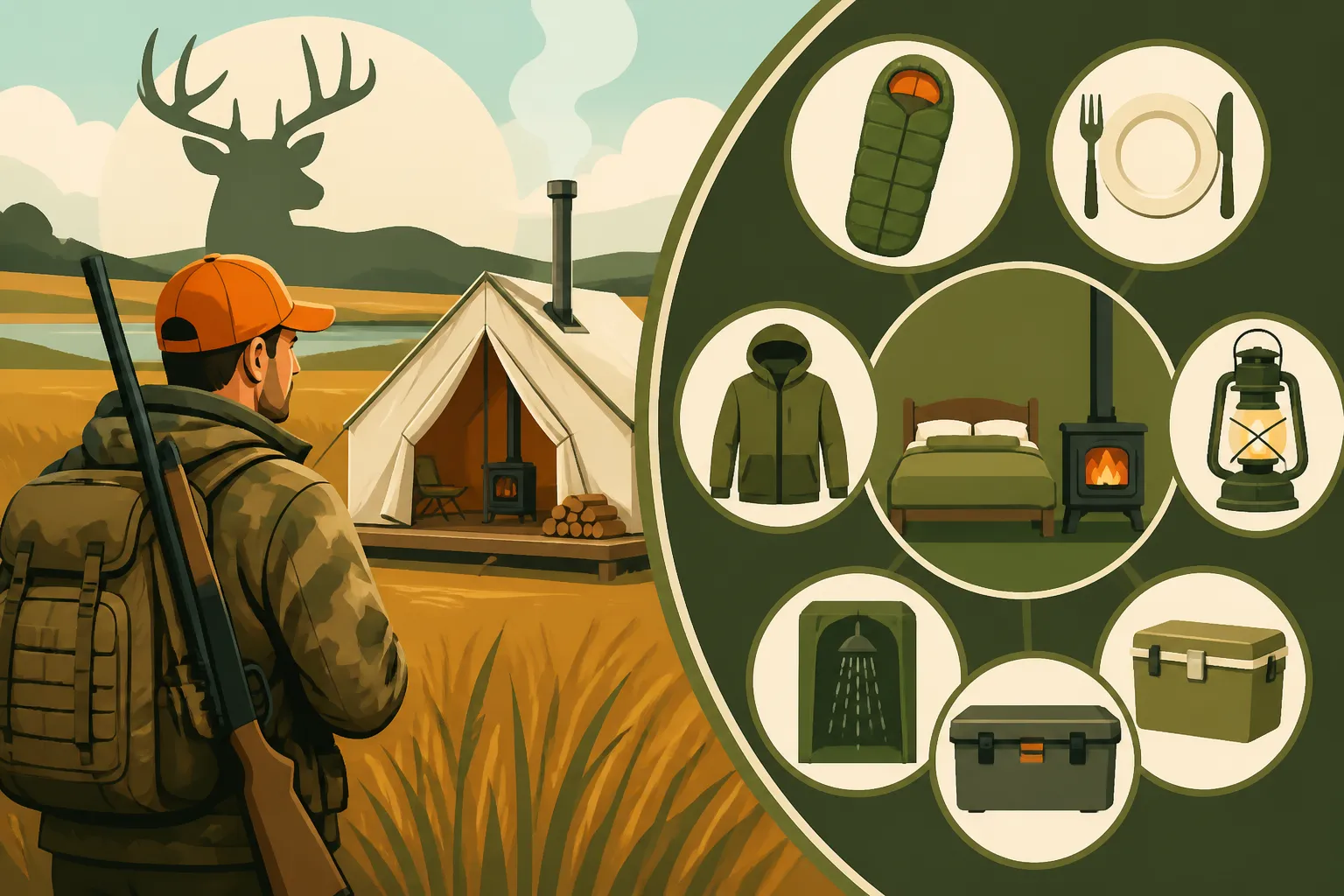
For instance, a whitetail outfitter operating in the aspen parkland might have a beautifully appointed main lodge with individual rooms, private bathrooms, and a communal great room with a fireplace – perfect for sharing hunting stories after a long day in a blind. These lodges often provide a sense of camaraderie and relaxation. On the other hand, a bear hunt deep in the boreal forest might involve cozy cabins nestled by a lake, perhaps with shared washroom facilities but still offering warm beds and shelter from the elements. Some specialized camps, particularly for remote moose or caribou hunts in the far north, might even utilize sturdy wall tents equipped with wood stoves, providing a surprisingly comfortable base camp in truly wild country. No matter the style, the goal is always to provide a safe, warm, and dry place to rest and recharge. You can often find specifics on accommodation when researching potential outfitters, with many platforms like BookYourHunt detailing camp photos and descriptions.
Meal Planning and Dining Experience
One of the undeniable perks of a guided hunt is often the food! After a strenuous day in the field, returning to a warm, hearty meal is something most hunters look forward to. Outfitters typically provide all meals, from breakfast before dawn to dinner after dark, and often pack lunches or snacks for you to take into your stand or blind.
Breakfasts are usually substantial, designed to fuel you for the cold hours ahead, featuring classics like eggs, bacon, sausage, pancakes, and plenty of coffee. Lunches can range from sandwiches and wraps to thermoses of hot soup, often tailored for easy consumption in the field. Dinners are often the highlight, with many outfitters priding themselves on home-cooked, delicious meals, sometimes even featuring game meat from previous seasons. Think roasts, stews, pasta dishes, and often a dessert. Dietary restrictions are usually accommodated if communicated in advance, so don't hesitate to mention them when you're Planning a Saskatchewan Hunting Trip. Most camps have a dedicated cook or staff member whose primary role is to ensure everyone is well-fed and energized.
Basic Amenities and Camp Infrastructure
While the level of luxury varies, certain basic amenities are standard across reputable Saskatchewan outfitting camps to ensure your stay is comfortable and safe. You can expect reliable heating, especially crucial for those late-season hunts when temperatures can plummet to Hunting Whitetails at Thirty Below.
Electricity, often from generators or solar setups in more remote locations, is typically available for lighting and charging essential electronics like phones and rangefinders. Potable water, whether from a well or purified source, is always provided for drinking and hygiene. Restroom facilities vary from modern indoor plumbing to clean outhouses or composting toilets, depending on the remoteness of the camp. Showers are usually available, ranging from full bathrooms to satellite shower units. It’s important to clarify these specifics when you're talking to potential outfitters, as these details can significantly impact your daily comfort. Some camps might even have laundry facilities, which can be a huge bonus on longer trips.
The Core of the Hunt: Field Support and Logistics
Beyond a place to sleep and eat, the true value of an outfitter lies in the comprehensive support they provide in the field, making your hunt as effective and enjoyable as possible. This includes expert guidance, efficient transportation, and meticulous care for your harvested game.
Guide Services and Field Operations
Your guide is the heartbeat of your hunting experience. These individuals are local experts with intimate knowledge of the terrain, game movements, and hunting strategies specific to their area. They are responsible for leading you to prime hunting locations, assisting with scouting, tracking, and recovery, and ensuring your safety throughout the hunt.
A good Saskatchewan guide will have spent countless hours scouting the territory before your arrival, identifying active trails, bedding areas, and feeding patterns. They'll know exactly where to hang a stand, where to set up a ground blind, or how to approach a particular Hunting a Prairie Coulee Bottom. During the hunt, they’ll be your eyes and ears, helping you interpret signs like Reading Whitetail Sign in Saskatchewan Bluffs or Reading Sign After Fresh Saskatchewan Snow. Whether it's driving you to a specific spot, helping you glass a distant hillside for Spot-and-Stalk Mule Deer in Saskatchewan, or calling moose in the bush, their expertise is invaluable. They also ensure adherence to all local hunting regulations, making sure you stay legal and ethical. Don't be shy about asking your guide questions; they're there to help you learn and succeed.
Game Care and Processing Facilities
Once you've harvested an animal, the work isn't over—it's just beginning! A critical service provided by Saskatchewan outfitters is the proper handling and care of your game. This ensures the meat is preserved and your trophy (if applicable) is prepared for taxidermy and transport.
Outfitters typically provide assistance with field dressing, getting the animal out of the bush (which can be a huge undertaking, especially for larger game like moose or elk), and transporting it back to camp. At camp, you can expect facilities for hanging and cooling your game, which is absolutely vital, particularly in warmer early seasons or during milder stretches of the rut. Many camps have dedicated walk-in coolers or meat sheds to ensure proper aging and preservation. They will often assist with quartering the animal and preparing the cape and antlers for your taxidermist. Some outfitters even have relationships with local butchers or taxidermists, streamlining the process of Getting Meat Processed in Saskatchewan or getting your trophy shipped home. This behind-the-scenes work is a massive relief for hunters, allowing them to focus on the thrill of the harvest without worrying about logistics.
Transportation in the Field
Getting to and from your hunting locations in Saskatchewan can involve a variety of modes of transport, and your outfitter will have this covered. The type of vehicle or method depends entirely on the terrain and the species being hunted.
For deer hunting in farmland or the forest fringe, you might be transported by pickup truck, often to strategically placed stands or blinds. If the terrain is rougher, or you're venturing deeper into the bush, ATVs or side-by-sides are common for accessing remote areas, following Quad and Side-by-Side Rules on Crown Land. In some northern areas, especially for moose or bear hunts, boats might be used to navigate lakes and rivers, or even small bush planes for truly remote fly-in camps. For waterfowl hunting, the outfitter will transport you and your gear (decoys, blinds) to the chosen field. Understanding the transportation methods can also give you insight into the physical demands of the hunt; a hunt requiring extensive ATV travel might be less strenuous on foot than one in rugged, roadless terrain.
Enhancing Your Experience: Specialized Amenities and Services
While basic comforts and core hunting support are fundamental, many Saskatchewan outfitters go above and beyond, offering specialized amenities and services that elevate the overall hunting experience. These extra touches can make a significant difference in your comfort and success.
Gear Storage and Drying Rooms
Hunting in Saskatchewan often means contending with varying weather conditions, from crisp, dry cold to wet snow or even rain. Having a dedicated space to store and dry your gear is incredibly valuable. Many camps provide a mudroom or a heated drying room where you can hang your wet boots, coats, and other clothing to dry overnight.
This isn't just a matter of comfort; it's also about safety and effectiveness. Starting each day with dry, warm gear can dramatically improve your ability to sit longer and stay focused in the field. Imagine coming in from a snowy morning, peeling off wet layers, and knowing they'll be toasty and ready by the next morning. It saves you from having to awkwardly hang clothes in your sleeping area and helps prevent discomfort or even hypothermia. This small amenity speaks volumes about an outfitter's attention to detail and understanding of a hunter's needs.
Communication and Connectivity
In today's connected world, staying in touch with family or managing urgent matters can be important, even when you're away hunting. While many remote Saskatchewan camps exist to help you disconnect, most outfitters understand the need for some form of communication.
Some lodges in more accessible areas might offer Wi-Fi, though it's often satellite-based and can be slow or limited. In more remote camps, satellite phones might be available for emergencies or brief check-ins. Cell service can be spotty to non-existent in much of Saskatchewan's hunting country, particularly as you move further north or into deep river valleys. It's always wise to ask about communication options before you go. Having a clear picture of connectivity allows you to inform family members and manage expectations about how often you'll be able to communicate. Some hunters even bring their own satellite communication devices for personal use, which can be particularly useful in areas where Saskatchewan Cell Coverage Ends.
Specialized Equipment and Blinds
Outfitters invest heavily in equipment to enhance your hunting chances and comfort. This often includes a variety of blinds and stands, tailored to the specific hunting situation and species.
For whitetail deer, you might find yourself hunting from heated, comfortable box blinds that offer protection from the elements, allowing for longer sits during frigid Hunting the December Late Season Cold. Or, you might be in strategically placed ladder stands or hang-on stands, expertly positioned by your guide in key travel corridors or feeding areas. Waterfowl hunters will find well-constructed pit blinds or layout blinds, complete with large decoy spreads, designed for effective concealment and decoying. For bear hunting, permanent stands over bait sites are common, offering safe and effective shooting opportunities. The quality and placement of these specialized pieces of equipment are a testament to the outfitter's experience and commitment to your success. Websites like GoHunt might offer insights into gear recommendations, but your outfitter will provide the heavy-duty, location-specific tools.
Managing Expectations: Before and After the Hunt
Understanding what an outfitter provides goes beyond just listing amenities; it’s about having a clear picture of the entire experience, from initial inquiries to the final farewell. This involves asking the right questions and knowing what responsibilities remain yours.
Asking the Right Questions Before You Book
The best way to ensure your expectations align with what an outfitter provides is to ask thorough questions before you put down a deposit. Don't be afraid to be specific. Reputable outfitters welcome these questions and are happy to provide detailed answers.
Consider questions like:
- What type of sleeping arrangements can I expect? Is it private rooms or shared cabins?
- What are the shower and restroom facilities like?
- Are linens and towels provided, or should I bring my own?
- What kind of meals are served, and can you accommodate dietary restrictions?
- What is the typical hunter-to-guide ratio? (e.g., One-on-One Versus Two-on-One Guiding)
- What is included in the "game care" services after a harvest?
- Is there cell service or Wi-Fi in camp?
- What vehicles are used for transport to and from hunting areas?
- Are there any hidden costs beyond the package price? (e.g., What Tags and Licences Add to the Bill, meat processing, taxidermy shipping, Tipping a Saskatchewan Guide)
Asking these questions upfront, perhaps even during a call after browsing their offerings on platforms like BookYourHunt, will prevent surprises and ensure a smoother trip. For more guidance, see Choosing the Right Saskatchewan Outfitter.
Personal Gear and Expectations
While the outfitter provides the camp and the hunting logistics, your personal gear is your responsibility. This is where your preparation truly comes into play. You need to bring appropriate clothing, footwear, and personal hunting equipment to maximize your comfort and effectiveness.
Think about the time of year and anticipated weather. For a late fall whitetail hunt, you'll need warm, layered clothing, insulated Boots for Sitting Still in Deep Cold, and a quality rain/wind shell. Don't forget essentials like binoculars, rangefinder, headlamp, knife, and your preferred hunting rifle or bow, ensuring it's sighted in and you're proficient with it. Most outfitters will provide a suggested packing list, which is an invaluable resource. Remember, your guide will put you in the right spot, but your ability to perform and endure the elements is up to your personal preparation. A common mistake is underestimating the Saskatchewan cold, especially in November and December.
Understanding What's Not Included
Just as important as knowing what's provided is understanding what typically isn't included in an outfitter's package. This helps you budget appropriately and avoid any unexpected expenses or situations.
Generally, hunting licenses and tags are not included in the base price and must be purchased separately. You'll also be responsible for your travel expenses to and from the outfitter's meeting point or camp. Gratuities for your guide and camp staff are customary and expected but are not part of the package price. Personal items, alcoholic beverages, and sometimes even soft drinks are often extra. Meat processing beyond basic field dressing and cooling, as well as taxidermy services and shipping your trophies home, are usually additional costs. Always clarify these exclusions with your outfitter. For instance, What Is Never Included in a Package can outline some common exclusions, but a direct conversation with your outfitter is always the best approach.
Here's a quick overview of typical outfitter provisions:
| Category | Basic Camp (e.g., remote bear hunt) | Mid-Range Camp (e.g., deer/moose cabin) | Lodge-Style Camp (e.g., luxury whitetail) |
|---|---|---|---|
| Accommodation | Wall tents / rustic cabins, shared | Comfortable cabins, shared or private | Private rooms, often en-suite |
| Meals | Hearty home-cooked, packed lunches | Excellent home-cooked, packed lunches | Gourmet meals, packed lunches, snacks |
| Heating | Wood stove / propane heater | Propane / electric furnace | Full central heating, fireplace |
| Electricity/Power | Generator for limited hours | Generator for most hours, solar assist | Full generator/grid power, charging stations |
| Water/Restrooms | Outhouse, limited shower, potable water | Shared bathrooms, running water showers | Private en-suite bathrooms, full amenities |
| Guide Services | 1:1 or 2:1 guide ratio, expert knowledge | 1:1 or 2:1 guide ratio, expert knowledge | 1:1 or 2:1 guide ratio, expert knowledge |
| Field Transport | ATVs, boats, trucks | Trucks, ATVs, side-by-sides | Trucks, some ATVs/UTVs |
| Game Care | Field dressing, quartering, cooling | Field dressing, quartering, cooling, cold storage | Full game care, professional cold storage, taxidermist prep |
| Gear Drying | Limited, near stove | Designated drying area | Dedicated heated drying room |
| Communication | Satellite phone for emergencies | Limited cell/satellite Wi-Fi | Wi-Fi, often cell booster |
| Specialized Blinds | Basic ground blinds, natural stands | Ladder stands, some heated blinds | Comfortable heated box blinds, custom stands |
Ultimately, a guided hunting trip with a Saskatchewan outfitter is an investment in an experience, and knowing what’s provided in camp is crucial for planning and enjoying your adventure to the fullest. By asking detailed questions and having a clear understanding of the services offered, you can focus on what truly matters: the thrill of the hunt and the memories you'll make in Saskatchewan's incredible wild spaces.
Disclaimer
This article is for general informational purposes only and does not constitute professional advice. Laws, prices and regulations vary by location and change over time. Consult a qualified professional for guidance on your specific situation.