Booking a Father and Child Hunt
The dream of introducing your child to the incredible world of hunting, fostering a deep respect for nature, and creating lifelong memories is a powerful one. However, planning a father and child hunting trip, especially to a vast and diverse province like Saskatchewan, can feel a bit overwhelming, what with all the regulations, choosing the right outfitter, and simply making sure it's a positive, enriching experience for your young hunter. This guide is here to break down the process, helping you navigate the specifics of booking an unforgettable father and child hunting adventure in Saskatchewan.
The Unforgettable Appeal of a Father and Child Hunt in Saskatchewan
There's something uniquely profound about sharing the hunting experience with your child. It's more than just pursuing game; it's about teaching patience, persistence, respect for wildlife, and the importance of ethical decision-making. Saskatchewan, with its abundant wildlife and diverse landscapes, offers an exceptional backdrop for these formative experiences. From the expansive prairies to the dense boreal forest fringe, the opportunities for a truly special hunt are endless.
The Value of Mentored Hunting
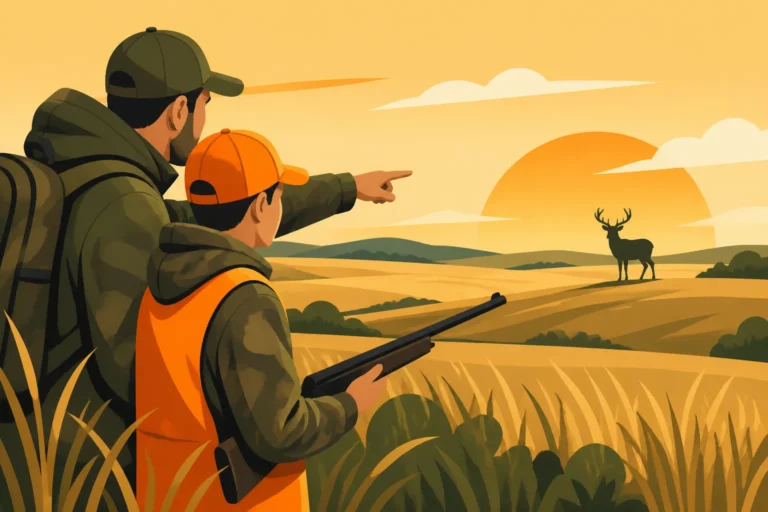
Mentored hunting goes far beyond simply teaching someone how to pull a trigger. It’s about passing down a legacy, instilling a deep connection to the outdoors, and building character. When you take your child afield, you’re teaching them about animal behavior, tracking, conservation, and the role hunters play in managing wildlife populations. It's a hands-on education in responsibility, ethics, and self-reliance that no classroom can replicate. This one-on-one time, away from the distractions of daily life, strengthens bonds and creates a shared experience that will be cherished for years.
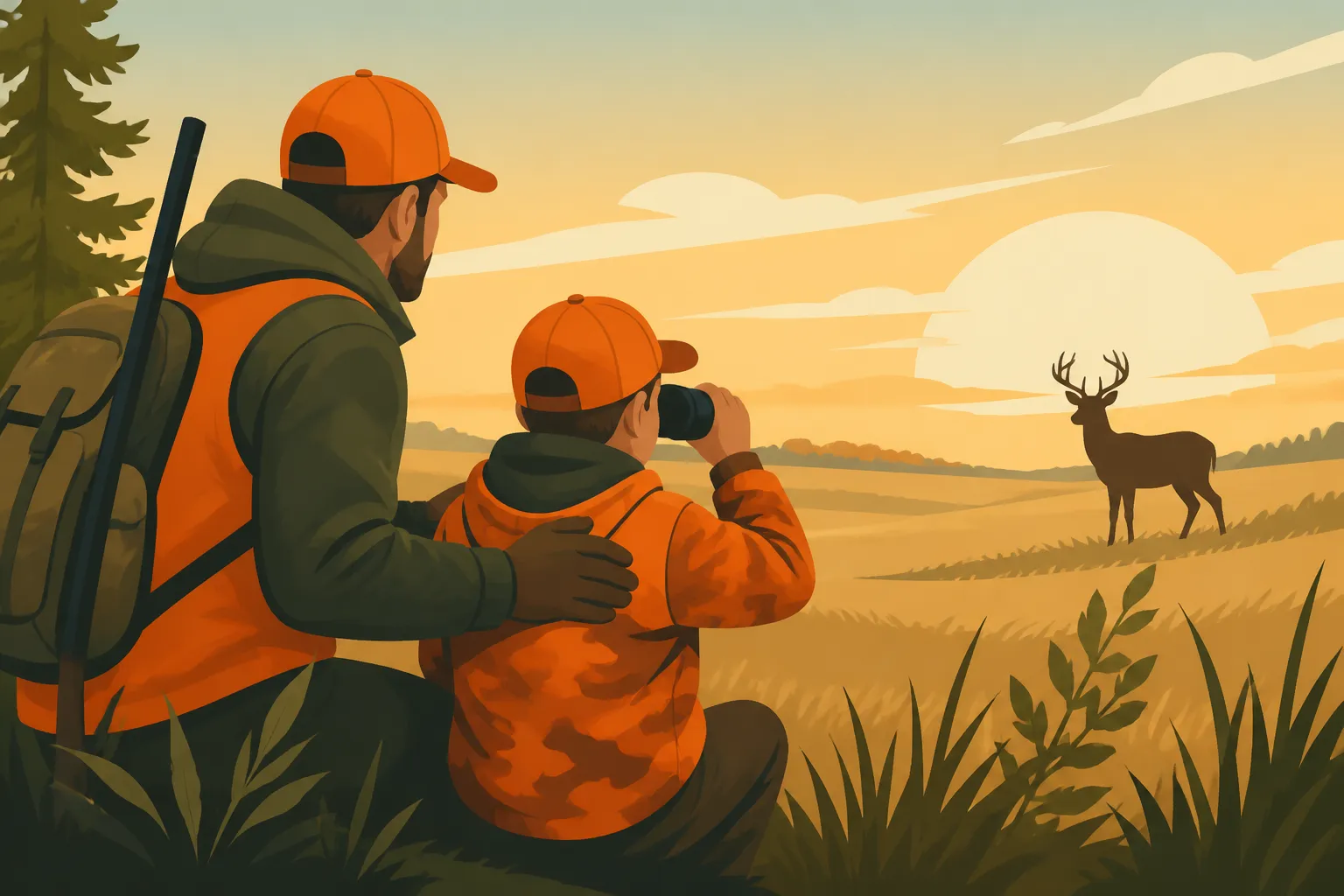
Imagine sitting quietly in a blind with your son or daughter, the crisp Saskatchewan air filling your lungs, watching the sunrise paint the sky with vibrant colors. The discussions you'll have, the lessons you'll impart about reading the landscape or understanding animal sign, are invaluable. These are the moments that build confidence and resilience in young people. It’s about the journey and the learning, not just the harvest. For many, these early hunting trips with a parent become the foundation for a lifelong passion and a deeper appreciation for the natural world.
Saskatchewan's Unique Offerings for Youth Hunters
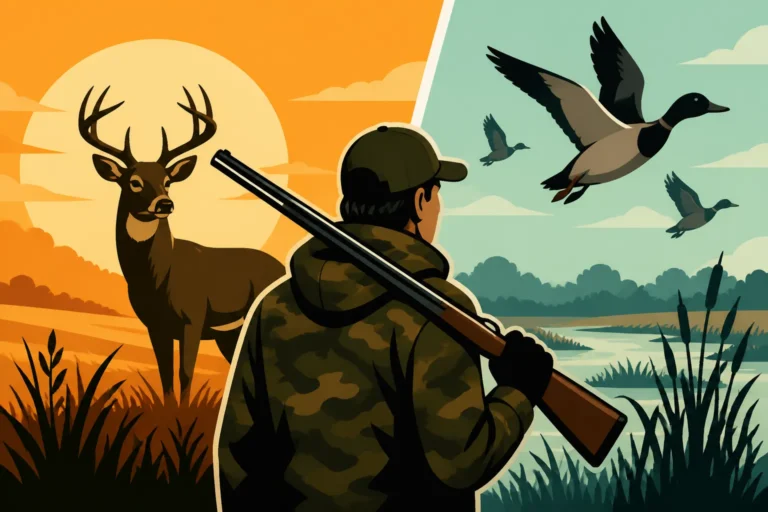
Saskatchewan truly stands out as a premier destination for youth hunting dueates to its incredible game populations and varied hunting opportunities. Whether your child is keen on pursuing big game like whitetail deer or is drawn to the fast-paced action of waterfowl or upland bird hunting, Saskatchewan has something to offer. The province boasts healthy populations of various species, which can increase the chances of a successful and exciting experience for a new hunter, keeping their interest piqued. Why Saskatchewan Bucks Grow So Large is a testament to the quality of hunting opportunities here.
The diversity of habitats means you can tailor the hunt to your child's age, skill level, and attention span. Shorter, more active hunts for grouse or ducks might be perfect for younger kids, while a patient stand hunt for whitetails could be ideal for a more seasoned youth hunter. The vastness of the land, coupled with designated seasons and careful management, ensures that game is accessible without feeling overcrowded. This allows for a more intimate and focused hunting experience, which is crucial for a young person's introduction to the sport. The opportunities for Hunting Saskatchewan's Aspen Parkland or Waterfowl Hunting Saskatchewan's Grain Fields provide different, equally rewarding experiences.
Planning Your Saskatchewan Father and Child Hunting Adventure
Careful planning is the bedrock of any successful hunting trip, and it becomes even more critical when introducing a child to the sport. You want to ensure every detail contributes to a safe, enjoyable, and educational experience. From understanding the legalities to selecting the right guide, each step is an opportunity to involve your child and build excitement for the adventure ahead.
Understanding Youth Hunter Requirements
Before anything else, it’s absolutely essential to understand Saskatchewan's specific regulations regarding youth hunting. This typically involves age restrictions, mandatory hunter education courses, and specific licensing requirements. Generally, young hunters must complete an approved hunter education program to obtain a hunting licence. This course covers firearm safety, wildlife identification, ethics, and conservation principles, providing a crucial foundation for responsible hunting.
Saskatchewan has provisions for Saskatchewan Youth and Mentored Hunting, which often allow younger individuals to participate under the direct supervision of a licenced adult. It's vital to check the current hunting regulations guide published by the province for the most up-to-date information on minimum age requirements, supervision ratios, and any specific permits or licences a youth hunter might need. You'll likely need to set up a HAL (Hunter and Angler Licence) account for your child, even if they are only assisting. Familiarizing yourself with Setting Up a Saskatchewan HAL Account is a good first step. Don't forget that non-resident youth hunters will also have specific rules that might involve a licenced outfitter.
Choosing the Right Species and Season
Selecting the right species and season is paramount to a positive first hunting experience for a child. You want to choose something that offers a reasonable chance of success without being overly challenging or requiring extreme physical endurance. For many youth hunters, upland birds like sharp-tailed grouse or Hungarian partridge offer a fantastic introduction. The active walking involved keeps kids engaged, and the flush of a bird can be incredibly exciting. Walking Up Sharp-Tailed Grouse in Saskatchewan is a classic experience. Waterfowl hunting, especially over a well-set decoy spread for geese or ducks, also provides a lot of action and doesn't require long periods of stillness, which can be tough for younger kids.
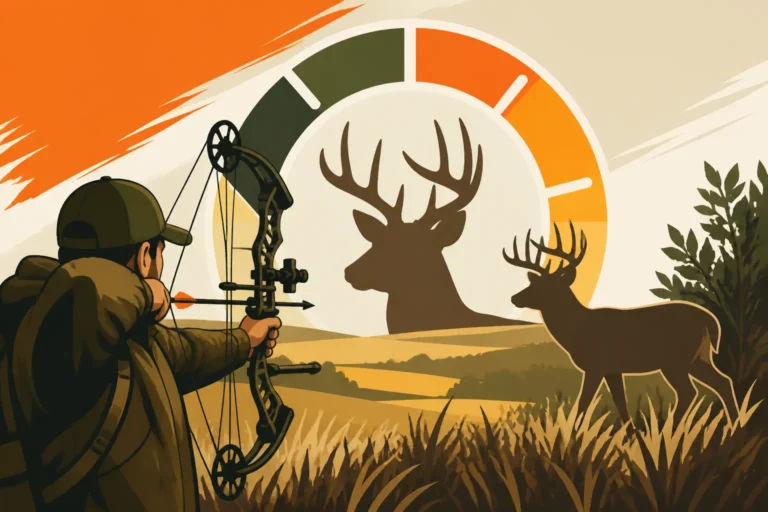
For big game, whitetail deer are often a popular choice due to their prevalence across much of the province and the thrill of the hunt. Consider early archery seasons for a milder weather experience, or later rifle seasons if the child is comfortable with colder conditions and perhaps a blind hunt. Saskatchewan Big Game Season Dates and Saskatchewan Game Bird Seasons and Limits are excellent resources to help you align your trip with the best opportunities for your chosen species. Avoid species that require extreme patience, difficult terrain, or very long shot distances for a child's first hunt. The goal is positive reinforcement and enjoyment.
Finding an Outfitter or Guide that Caters to Families
This is where a little extra research really pays off. Not all outfitters are equally equipped or inclined to host father and child hunts. You need to find one that not only offers excellent hunting opportunities but also prioritizes the unique needs of a family group, especially one with a young hunter. Start by looking for outfitters who explicitly mention family hunts, youth hunts, or mentored programs on their websites or in their brochures.
Platforms like BookYourHunt or GoHunt can be incredibly useful resources here, allowing you to filter for outfitters by species, location, and even types of hunts offered. When browsing these platforms or directly contacting outfitters, look for reviews or testimonials that specifically mention family experiences. Don't hesitate to ask direct questions about their experience with young hunters. What is their philosophy on youth hunting? Do their guides enjoy teaching? Are their camps family-friendly? It's crucial to connect with an outfitter whose values align with your own goals for the trip. Remember, it's not just about finding game, but about finding a supportive and educational environment.
What to Look for in a Family-Friendly Outfitter
Once you've narrowed down some options, it's time to dig deeper into what makes an outfitter truly suitable for a father and child hunt. This isn't just about a high success rate; it's about the entire experience, from the moment you arrive until you depart, making sure it’s enriching for your young hunter.
Safety and Experience with Young Hunters
The absolute priority for any father and child hunt is safety. A reputable outfitter will have clear safety protocols, especially when it comes to firearms and field operations. Ask about their guides' experience with youth hunters. Do they have guides who are particularly patient and excellent communicators? A guide who understands how to build excitement while also emphasizing caution and ethical shooting practices is invaluable. They should be able to explain concepts clearly, answer questions without making the child feel foolish, and adapt the hunt pace to the child's energy levels and attention span.
Furthermore, inquire about their equipment. Are their blinds safe and comfortable for children? Do they have options for different shooting scenarios that might be easier for a smaller framed or less experienced shooter? A good outfitter will understand that a child's first shot might be more complex than an experienced adult's, and they'll be prepared to support that moment properly. A successful hunting experience for a child often hinges on a patient, knowledgeable, and safety-conscious guide. Choosing the Right Saskatchewan Outfitter details other crucial vetting steps.
Accommodations and Comfort
While roughing it might be part of the adventure for seasoned hunters, comfort plays a much larger role when you have a child along. Consider the type of accommodations offered. Is it a rustic cabin with shared bunks, or does it offer more private rooms or family cabins? Look for amenities that will make the experience more enjoyable for your child, such as good food, warm lodging, and perhaps some downtime activities. If hunting in colder seasons, the availability of Heated Blinds on a Saskatchewan Hunt can make a huge difference in keeping a young hunter comfortable and engaged for longer periods.
Comfort extends beyond just the sleeping arrangements. What are the travel times to hunting areas? Minimizing long, bumpy rides can prevent frustration. Are there opportunities for breaks during the day if the child gets restless? A thoughtful outfitter will understand that a child's stamina and focus might differ from an adult's, and they'll build flexibility into the daily schedule. You want a camp environment that feels welcoming and supportive for both parent and child.
Mentorship Beyond the Shot
A truly exceptional outfitter will provide mentorship that goes beyond simply putting you on game. They will encourage and facilitate teaching moments throughout the hunt. This could involve showing your child how to identify tracks, understand different calls, or even learn about the ecosystem they are hunting in. Post-harvest, the opportunity to learn about field dressing and meat care can be incredibly impactful. Meat Care in Saskatchewan's Cold Snaps is an important lesson for any hunter.
A guide who takes the time to explain the process, from shot placement to ethical recovery, instills a deeper sense of respect for the animal and the privilege of hunting. This holistic approach ensures that your child isn't just a spectator but an active participant in every aspect of the hunt, gaining invaluable knowledge and developing a profound appreciation for the entire process. This kind of mentorship transforms a trip into a true educational journey.
Logistics and Preparation for a Memorable Trip
With your outfitter chosen, the final phase involves meticulous logistical planning and preparation. This step is about anticipating needs, managing expectations, and ensuring that everything is in place for a smooth and enjoyable trip, fostering a positive environment for your child's hunting debut.
Essential Gear for Young Hunters
Proper gear is crucial for comfort and safety, especially in Saskatchewan's often unpredictable weather. For your child, focus on layered clothing that can be adjusted for varying temperatures. Good quality, insulated, waterproof boots are non-negotiable, particularly if you'll be out in damp or cold conditions. Don't skimp on warm hats, gloves, and neck gaiters. Dressing for Saskatchewan's November Cold gives a good overview of what to expect. A comfortable backpack for snacks, water, and extra layers is also important.
When it comes to firearms, ensuring a proper fit is paramount. A rifle that is too heavy, too long, or has excessive recoil can lead to flinching and a negative experience. Many youth models are available with shorter stocks and lighter builds. Make sure to practice extensively at the range before the trip to build confidence and proficiency. Eye and ear protection are absolute musts, both for practice and during the hunt. A well-fitting, comfortable pair of binoculars can also engage a young hunter in spotting game and learning the landscape.
Setting Realistic Expectations
It’s easy to get caught up in the excitement of a hunting trip, but setting realistic expectations for both yourself and your child is incredibly important. The primary goal of a father and child hunt should be the experience, the time spent together, and the lessons learned – not necessarily harvesting an animal. There will be downtime, cold moments, and perhaps even some boredom. Explain this beforehand. Emphasize that hunting involves patience and that success isn't guaranteed.
The focus should be on appreciating nature, learning about wildlife, and enjoying each other’s company. Celebrate small victories, like spotting a deer, identifying tracks, or making a good call. If an animal is harvested, that's a fantastic bonus, but it shouldn't be the sole measure of success for the trip. This mindset alleviates pressure and allows both of you to truly enjoy the process. Sitting All Day in a Saskatchewan Blind can be a challenge even for adults, so build in flexibility and breaks.
Documenting the Journey
Finally, make sure to document this incredible journey. Take plenty of photos – not just of successful harvests, but of the entire experience: setting up camp, exploring the woods, sharing meals, and enjoying quiet moments together. A small, durable camera or even a phone can capture these memories. Encourage your child to keep a journal, drawing pictures or writing down their observations and feelings each day. This not only reinforces their learning but also creates a tangible keepsake from the trip.
These documented memories will become cherished family heirlooms, relived and shared for years to come. They serve as a powerful reminder of the bond forged in the wilderness and the valuable lessons learned. Think about What an Outfitter Needs From You Beforehand to make sure they are aware of any special requests you might have, like wanting to take extra photos or videos.
| Species for Youth Hunters | Typical Season | Skill Level | Experience Focus |
|---|---|---|---|
| White-tailed Deer | Fall (Archery/Rifle) | Moderate | Patience, tracking, ethical shot placement |
| Waterfowl (Ducks/Geese) | Fall | Beginner | Calling, decoy setup, fast-paced action |
| Upland Birds (Grouse/Partridge) | Fall | Beginner | Walking, dog work (if applicable), quick shots |
| Black Bear (Spring) | Spring | Moderate | Patience, observation, bear identification |
Disclaimer
This article is for general informational purposes only and does not constitute professional advice. Laws, prices and regulations vary by location and change over time. Consult a qualified professional for guidance on your specific situation.