Hunting Wolves in the Northern Bush
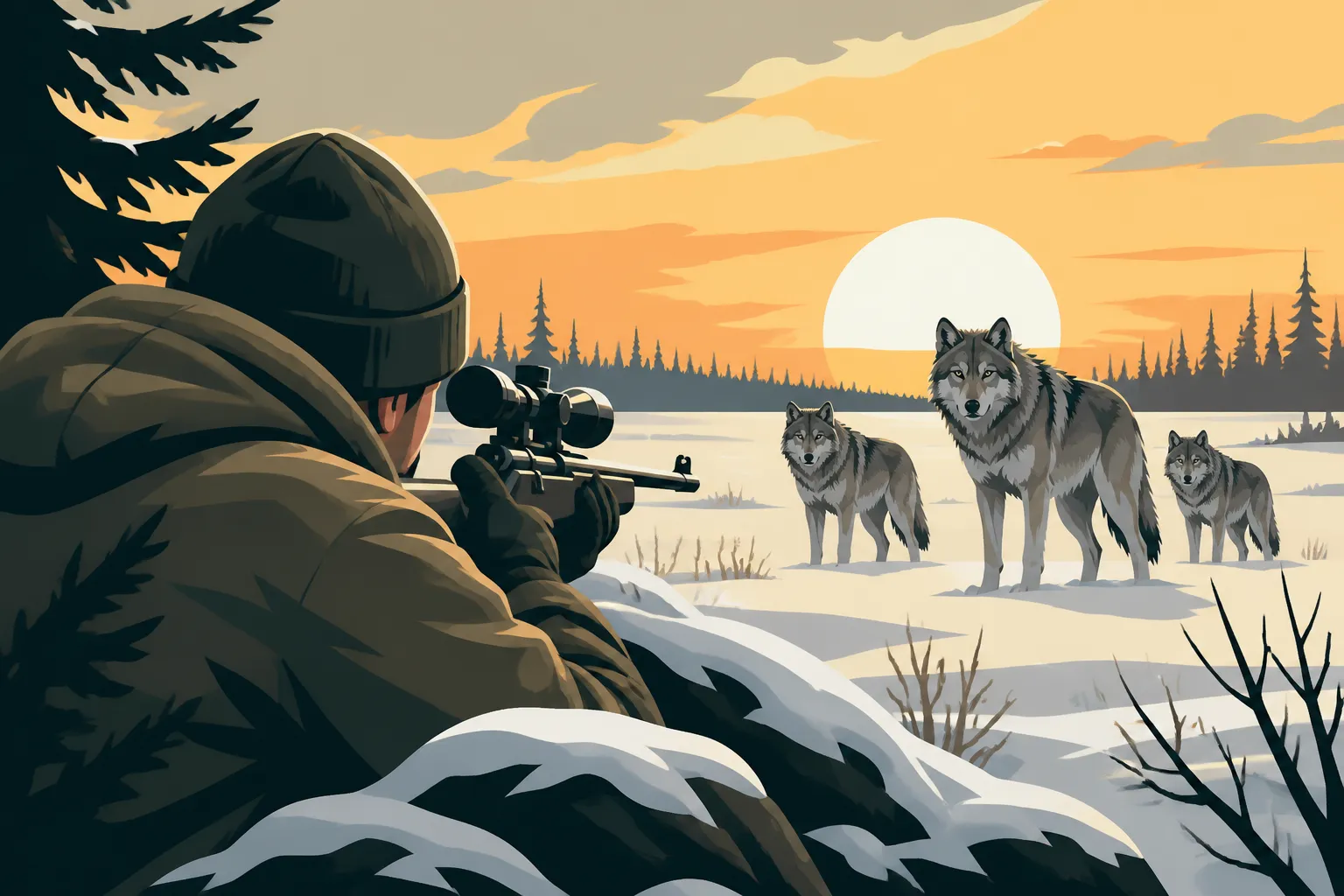
If you've ever dreamt of pitting your skills against one of the most intelligent and elusive predators in North America, then hunting wolves in Saskatchewan's vast northern bush is likely on your bucket list. It's a deeply challenging pursuit, demanding patience, skill, and an intimate understanding of the wilderness, often leaving even experienced hunters frustrated. This guide will dive deep into what it takes to successfully hunt these incredible animals in their rugged boreal habitat, from understanding their behavior to mastering the logistics of a remote northern hunt.
Understanding Saskatchewan's Northern Bush Wolves
Hunting wolves in Saskatchewan's northern bush is an entirely different beast than pursuing them on the open prairie. These aren't the coyotes you might call in on a stubble field; these are formidable predators, often larger, shier, and much more ingrained in the ancient rhythms of the Boreal Forest. Success here hinges on understanding their world.
Wolf Territories and Behavior in the Boreal
Northern wolves operate within vast territories, often covering hundreds of square miles, driven by the availability of prey and the presence of competing packs. Unlike whitetails that might stick to a few quarters of land, a wolf pack's home range can span multiple townships, making them incredibly difficult to pin down. They are highly intelligent and possess an uncanny ability to detect danger, relying on their exceptional senses of smell, sight, and hearing. This means that any human scent, unnatural sound, or even a glimpse of movement can send them vanishing into the dense spruce and poplar. When considering Wolf Pack Size in Saskatchewan's Boreal, packs in the north can range from a handful of animals to a dozen or more, with their movements often dictated by the senior breeding pair. Understanding their social dynamics, even from a distance, can give you a slight edge in predicting their movements within these massive territories.
Their daily routines are often tied to travel routes – old logging roads, traplines, frozen lakes, and rivers act as highways for these animals. They'll use these corridors for efficient travel between hunting grounds and denning sites. During the breeding season in late winter and early spring, their movements might become more concentrated around specific areas, but even then, their stealth makes them hard to detect. Recognizing these travel patterns, often through tracks and scat, is paramount before you ever even consider making a call.
What Northern Wolves Eat and How it Influences Their Movement
The diet of a northern Saskatchewan wolf is primarily dictated by the large ungulates that share their habitat: moose, caribou, and deer. While they're opportunistic predators and will take snowshoe hares, beaver, or even smaller furbearers, the majority of their sustenance comes from these larger animals. This means that if you want to find wolves, you need to be looking for their prey. Understanding What Moose Eat Through the Year can give you insights into where moose might be concentrated, which, in turn, can lead you to active wolf hunting grounds.
Their movements directly correlate with the migratory patterns or localized concentrations of these prey species. For instance, if moose are yarded up in a particular section of dense timber during a harsh winter, wolves will naturally focus their efforts there. Similarly, caribou herds moving through different parts of the boreal will draw wolf packs along their routes. This interconnectedness means that good wolf scouting is often simply good big game scouting. Look for recent kill sites, large concentrations of ungulate tracks, and areas where prey animals are under noticeable pressure, indicated by frequent alarms or nervous behavior. These are the hotspots where wolves are most likely to be actively hunting.
The Challenge of Wolf Hunting in Thick Cover
Hunting wolves in the northern bush isn't like sitting on a hill and glassing open country. The dense coniferous and deciduous forests offer endless hiding spots and severely limit visibility, making long-range shooting opportunities rare. You're often hunting in timber where visibility might only extend 50-100 yards, sometimes even less. This environment significantly impacts your hunting strategies, demanding a much more intimate, close-quarters approach. The sheer scale of the bush means that you could be in an active wolf territory for days or even weeks without ever seeing an animal. It's a game of patience, stealth, and sometimes, pure luck.
Furthermore, the silent nature of the bush can be deceiving. Sounds travel differently in dense timber, and a wolf can often hear you long before you hear or see them. This cover also works both ways, providing excellent ambush points for wolves on their prey, and simultaneously making it incredibly difficult for hunters to set up without being detected. Mastering the art of silent movement and understanding how sound carries in the bush becomes a critical skill. It’s not just about finding them; it's about being in the right place, at the right time, completely undetected, ready to capitalize on a fleeting opportunity.
Essential Gear for Northern Wolf Hunting
Successfully hunting wolves in the northern bush demands specific gear tailored to the challenging environment and the target animal. You're not just dealing with cold; you're dealing with vast, remote areas, unpredictable weather, and an animal known for its resilience.
Firearms and Ammunition for Wolves
When it comes to firearms for northern wolves, reliability and stopping power are paramount. These animals, especially How Heavy a Northern Wolf Gets, can be surprisingly robust, and you want to ensure a clean, ethical harvest. While smaller calibers can work, many experienced wolf hunters opt for something with a bit more punch to anchor the animal quickly. Common choices include .270, .30-06, .300 Win Mag, or even larger magnums. The goal is to deliver enough energy to ensure the wolf doesn't run far into the dense bush, making recovery nearly impossible. Heavy, well-constructed bullets designed for deep penetration and controlled expansion are ideal.
Shot placement is always key, but in the often-fleeting opportunities presented by wolves in thick cover, having a rifle and ammunition combination that offers a margin for error, should it arise, is a wise choice. Ensure your rifle is zeroed precisely for the distances you expect to shoot, which, in the bush, might be considerably shorter than open country hunting. Practice shooting from various positions, including offhand and kneeling, as you might not always have the luxury of a stable rest when a wolf presents itself quickly.
Cold Weather Gear and Survival Considerations
Hunting in Saskatchewan's northern bush often means facing extreme cold, deep snow, and variable conditions, especially during the prime winter wolf hunting months. Your clothing system needs to be robust and designed for both active tracking and long periods of static observation. Think layers: a moisture-wicking base layer, insulating mid-layers (fleece, down, or synthetic puffies), and a waterproof/windproof outer shell. Consider specialized gear designed for extreme cold, like insulated bibs and parkas, especially if you plan on sitting for extended periods while calling or over a bait site.
Footwear is crucial. Insulated, waterproof boots rated for temperatures well below freezing are non-negotiable. Chemical hand warmers and foot warmers can be game-changers on bitter days. Beyond clothing, a comprehensive survival kit is essential. This should include a reliable fire starter, a small saw or axe, extra high-energy food, a first-aid kit, a headlamp with spare batteries, and emergency shelter. Remember, help can be a long way off, and conditions can change rapidly. For tips on staying safe, consider reading our guide on Hunting Saskatchewan Winter Weather Safely. Always let someone know your exact hunting plan and expected return time.
Optics and Communication in Remote Areas
In dense bush, quality optics might seem less critical than in open country, but they remain invaluable. Binoculars (8×42 or 10×42) are essential for discerning subtle movements in shadows, confirming species, and spotting tracks or sign at a distance. A reliable rifle scope with good low-light performance is also vital, as prime wolf activity often occurs at dawn, dusk, or on overcast days when visibility is poor.
Communication in remote northern Saskatchewan is a significant challenge. Cell service is virtually non-existent in much of the boreal. A satellite communication device, such as a Garmin inReach or a Zoleo, is highly recommended, if not mandatory, for emergency communication and tracking. These devices allow you to send texts, check in, and, most importantly, send an SOS signal if something goes wrong. A handheld GPS unit (or a smartphone with robust offline mapping apps like GoHunt) is also critical for navigation. Always carry spare batteries for all electronic devices, or even a small power bank, as cold temperatures rapidly drain battery life. Having multiple ways to communicate and navigate could literally save your life.
Strategies for Hunting Northern Wolves
Hunting wolves is a chess match against one of nature's most intelligent predators. In the dense northern bush, success hinges on employing a mix of time-honored techniques and adapting them to the unique challenges of the environment.
Calling and Decoying Wolves in Dense Bush
Calling wolves is perhaps the most exhilarating and often frustrating method. While effective, it demands a deep understanding of wolf vocalizations and acute awareness of your surroundings. Locator howls can be used to find out if a pack is in the area – listen for their responses, paying close attention to the direction and estimated distance. Once you've located them, the shift turns to distress calls, mimicking injured prey like a rabbit, fawn, or even a distressed beaver. The key is to sound realistic and, crucially, to call with confidence and conviction. Wolves are highly suspicious of anything that sounds "off."
Setting up for a call in the bush requires careful consideration. You need to position yourself downwind from where you expect the wolf to approach, utilizing terrain and cover to break up your silhouette. Visual decoys, especially a realistic deer or moose decoy, can sometimes draw a curious wolf into closer range, but they are not always practical in dense brush. Remember, wolves are extremely wary; they'll often circle downwind to scent-check the area before committing. This means having shooting lanes opened in multiple directions and being ready for a quick, close-range shot. Silence after calling is just as important as the calling itself; often, a wolf will come in silently, testing the air. Maintain vigilance for at least 30-45 minutes after your last call. This technique requires patience and practice, as wolves will often hang up just out of sight, trying to pinpoint the source of the sound.
Tracking and Still-Hunting in the Snow
Winter is prime wolf hunting season, and fresh snow is your greatest ally for Reading Sign After Fresh Saskatchewan Snow. Tracking a pack after a recent snowfall can be incredibly effective, allowing you to follow their movements and get an understanding of their travel patterns. Look for fresh tracks, scat, and kill sites. When you find fresh tracks, pay attention to their direction and pace. A pack moving purposefully will often have consistent tracks; if they're milling around or showing signs of nervousness, they might be near a kill or actively hunting.
Still-hunting involves moving very slowly and deliberately through wolf habitat, pausing frequently to scan and listen. This is an incredibly challenging method in dense bush, but it can be rewarding. Focus on areas where wolves are likely to travel or bed, such as along ridges, creek bottoms, or the edges of thick stands of timber. Use natural cover to mask your movement and break up your outline. Move with the wind or crosswind to prevent your scent from spooking any nearby animals. This technique demands an almost zen-like focus, merging with the environment, becoming part of the landscape, and exploiting those fleeting moments when a wolf might pause or step out into a slight opening. It's often practiced along old Hunting an Old Logging Road in the North or Hunting a Cutline Grid in the North, which provide easier travel and better visibility than raw bush.
Hunting Over Bait: Ethics and Effectiveness
Hunting wolves over bait is a controversial but often highly effective method, especially in areas with extremely low visibility. It works by attracting wolves to a consistent food source, habituating them to a specific location, and allowing hunters to wait for an opportunity. The bait typically consists of scraps from butchered big game animals, roadkill, or other meat sources. It's important to set up bait sites legally and ethically, ensuring they are well away from human habitation and public trails.
When hunting over bait, a solid, well-concealed blind is essential. Wolves are incredibly sharp-eyed and will spot any unnatural movement or silhouette. Scent control is paramount; even if you're in a blind, your scent can carry. Choose a blind that offers good visibility of the bait but keeps you hidden from all angles. This method requires immense patience, often involving long hours, sometimes days, sitting in frigid temperatures. Checking wind direction constantly and approaching the blind carefully to avoid leaving fresh scent trails are critical. Many hunters utilize trail cameras to monitor the bait site, allowing them to learn specific pack habits, preferred feeding times, and entry/exit routes before committing to a sit. Always ensure that hunting over bait is legal in your specific hunting zone and adhere strictly to all provincial regulations.
Navigating and Scouting the Northern Bush
The northern bush isn't a place to wander without a plan. Its vastness and remoteness can quickly turn an exciting hunt into a dangerous situation if you're not prepared. Effective navigation and thorough scouting are non-negotiable for success and safety.
Utilizing Cutlines, Trails, and Waterways
In the vast expanse of the boreal forest, wolves, like most large animals, are creatures of efficiency. They will use the paths of least resistance to travel between areas. This means that old logging cutlines, seismic lines, utility corridors, snowmobile trails, and trapper trails become critical arteries for their movement. These linear features not only provide easier travel through the dense undergrowth but also act as natural funnels and visibility corridors, offering potential ambush points for hunters. When you're Hunting Saskatchewan's Boreal Forest Fringe or deeper in the bush, these man-made or natural breaks in the forest are where you’ll most often encounter fresh tracks and other signs of wolf activity.
Frozen lakes and rivers also serve as vital highways for wolves during the winter months. A large lake can act as a natural shortcut, allowing a pack to cover significant distances quickly while conserving energy. Scouting these waterways for tracks is crucial. Similarly, a Hunting a Beaver Dam Crossing might seem insignificant, but these small clearings or changes in topography can concentrate game and, by extension, predators. Using detailed topographic maps or advanced GPS applications like GoHunt to identify these features before you even step foot in the bush is a smart initial scouting step. Pinpointing intersections of multiple cutlines or where a cutline meets a large waterway can reveal high-traffic zones for wolf movement.
Reading Sign After Fresh Snow
Fresh snow is a wolf hunter's best friend. It transforms the often-impenetrable visual complexity of the bush into a stark, readable canvas. Not only does it make tracks incredibly obvious, but it also allows you to gauge the freshness of those tracks, helping you determine if a wolf is still in the immediate vicinity. Look for large, distinct canine tracks, often in a relatively straight line, indicating purposeful travel. Unlike coyotes, wolf tracks are generally larger and often show evidence of splayed toes, especially in deep snow.
Beyond tracks, look for other critical signs: scat (often large and rope-like, containing hair and bone fragments), urine marks, and rub trees. Fresh kills are also a significant indicator. A recently killed deer or moose, often partially consumed and sometimes covered by snow or debris, signals that wolves are actively hunting in the area. The fresher the sign, the warmer the trail, and the higher your chances of an encounter. Learning to interpret these signs—understanding if a track is from last night or a week ago, if the pack was running or walking, or if they paused to investigate something—is an art that comes with experience and focused observation. Our guide on Reading Sign After Fresh Saskatchewan Snow offers even more detailed insights into this essential skill.
Remote Access and Logistical Planning
The northern bush is beautiful but unforgiving. Accessing prime wolf habitat often means venturing far beyond paved roads and even well-maintained gravel. You might be relying on winter trails, snowmobile tracks, or even breaking your own path. This requires robust logistical planning. Consider the type of vehicle you'll need: a reliable 4×4 truck with good ground clearance is often essential. For deeper penetration, snowmobiles or tracked ATVs become indispensable. Always adhere to Quad and Side-by-Side Rules on Crown Land and other motorized vehicle regulations.
Before you go, understand the full scope of your hunting area and potential exit points. Detailed maps (paper backups are always a good idea, even with GoHunt or other digital tools) are crucial. Plan your fuel needs carefully, as gas stations can be hundreds of kilometers apart. Bring emergency repair kits for your vehicles and ensure they are well-maintained. For multi-day hunts, consider your shelter options. While Camping on Saskatchewan Crown Land is permitted, ensure you have appropriate gear for extreme cold. Always pack enough food, water, and emergency supplies to last longer than you anticipate, and inform multiple trusted contacts of your exact itinerary. Saskatchewan's Northern Road Network can be tricky, especially in winter, so be prepared for unexpected conditions.
Regulatory Considerations and Ethical Hunting
Hunting wolves in Saskatchewan's northern bush isn't just about strategy and gear; it's also about understanding and respecting the rules and embracing ethical hunting practices. The regulations are in place to manage wildlife populations responsibly and ensure the long-term sustainability of the resource.
Saskatchewan Wolf and Coyote Rules
Before you even plan your trip, it's absolutely crucial to familiarize yourself with the current Saskatchewan hunting regulations for wolves and coyotes. These rules can change from year to year, and they often vary by Wildlife Management Zone (WMZ). Generally, wolves are managed as furbearers in Saskatchewan, and they can often be hunted without a draw tag in many northern zones, particularly during specific open seasons. However, there might be specific zones or times of year where different rules apply. Always consult the most recent Saskatchewan Hunters' and Trappers' Guide.
Pay close attention to season dates, bag limits (if any), and legal hunting methods. For instance, while calling is generally permitted, specific rules might exist regarding baiting, night hunting (which is generally restricted for big game but sometimes allowed for certain predators with specific permits or under specific conditions), or the use of electronic calls. Understand the difference between wolf and coyote identification, as regulations may differ. Ensure you have the correct licences, which typically include a valid hunting licence and a Wildlife Habitat Certificate. Our dedicated guide on Saskatchewan Wolf and Coyote Rules provides a comprehensive overview of these regulations, which every hunter must adhere to strictly.
Respecting the Resource and Other Users
Ethical hunting goes beyond simply following the law; it's about respecting the animals you pursue, the land you hunt on, and the other people who share the wilderness. Wolves, as apex predators, play a vital role in the ecosystem, and hunting them is a privilege, not a right. Strive for quick, clean kills, and always make every effort to recover any animal you shoot. Wounding an animal and losing it to the dense bush is a disservice to the animal and the hunting community.
The northern bush is also home to other hunters, trappers, and recreational users. Be mindful and respectful of their presence. If you encounter active traplines, give them a wide berth; interference with traplines is illegal and unethical. When on Crown Land, practice leave-no-trace principles, packing out everything you pack in. Secure permission if hunting on private land, even if it's just to cross a corner. Your actions reflect on all hunters, and upholding a strong ethical standard is key to maintaining public support for hunting and preserving access to these incredible wild spaces.
Meat Care and Harvest Reporting
While wolves are primarily hunted for their pelts or for population management, it's an ethical responsibility to process any animal you harvest. Wolf meat can be edible if properly handled, though it often has a strong flavour. If you plan to consume the meat, ensure proper field dressing and rapid cooling, especially if temperatures are mild. For tips on handling game in various conditions, refer to our guide on Meat Care in Saskatchewan's Cold Snaps. The pelt, if taken, should be handled carefully to preserve its quality for tanning or taxidermy.
Harvest reporting is an often-overlooked but crucial part of responsible hunting. After harvesting a wolf, it is often required to report your kill to the provincial wildlife agency. This data is vital for wildlife managers to monitor populations, assess harvest rates, and make informed decisions about future regulations. Accurate reporting ensures that wolf populations are managed sustainably, allowing these magnificent creatures to thrive in Saskatchewan's northern bush for generations to come.
Disclaimer
Please be aware that hunting regulations, season dates, and licensing requirements can change. Always consult the official Saskatchewan Hunters' and Trappers' Guide and the Saskatchewan Ministry of Environment website for the most current and accurate information before planning any hunting trip.