Where Saskatchewan Grows the Biggest Bucks
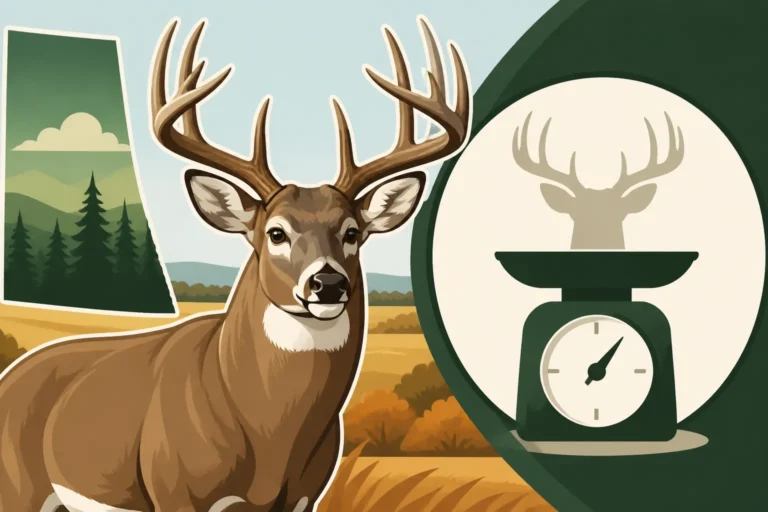
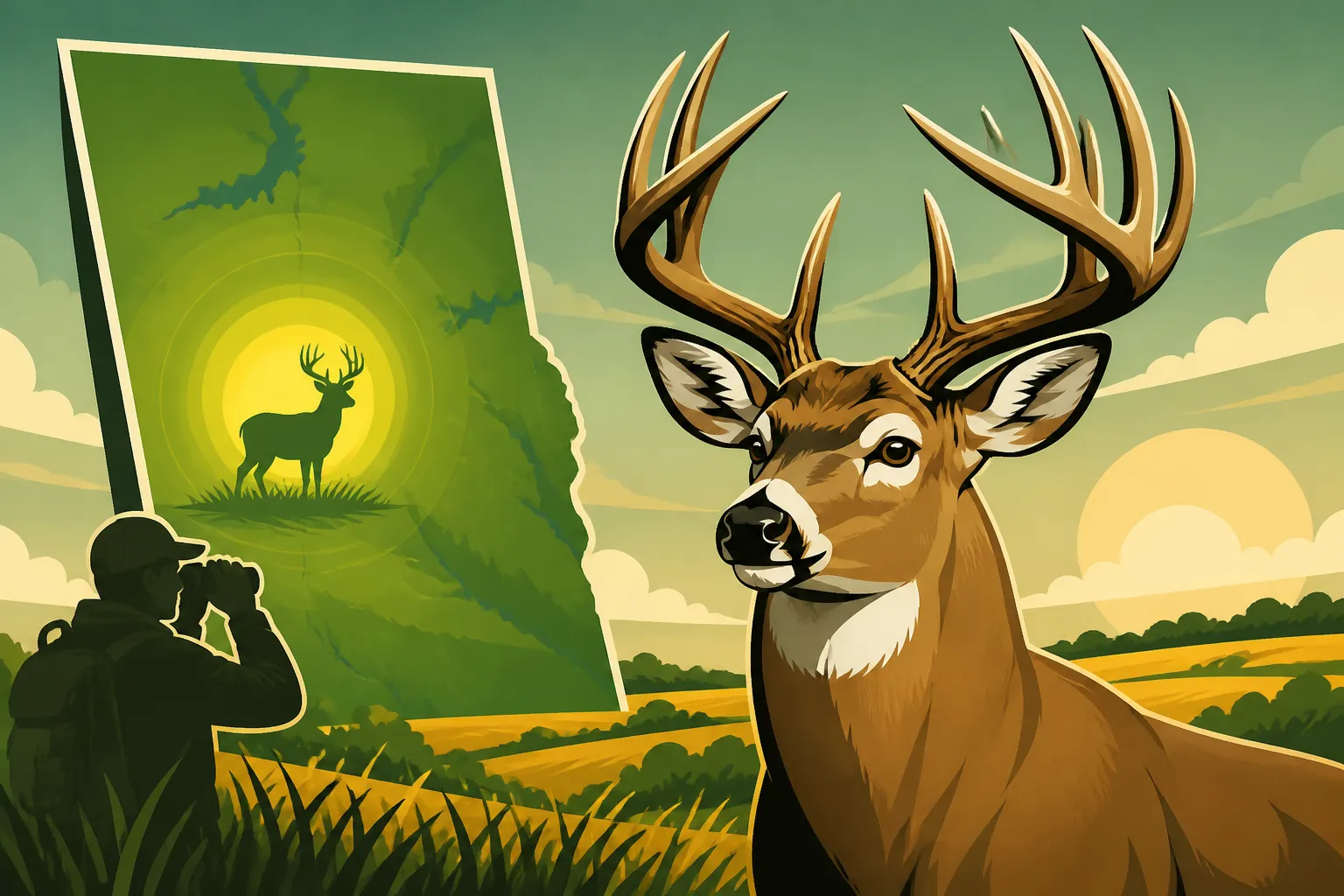
It’s a dream shared by countless hunters: the pursuit of a truly massive whitetail buck, a monarch of the forest or field. While big deer can be found across the continent, there’s a mystique around Saskatchewan, a whisper that this prairie province consistently produces some of the biggest bucks on the planet. But where exactly do these giants come from, and what makes certain areas so special? This guide is going to peel back the layers, moving beyond the legend to pinpoint the exact conditions and regions that foster these legendary whitetails, helping you understand the "why" and "where" behind Saskatchewan's trophy potential.
Understanding Saskatchewan's Whitetail Ecosystem
Saskatchewan is a vast province, stretching from the fertile agricultural lands in the south to the expansive boreal forest in the north. This incredible diversity isn't just scenic; it’s the engine that drives a thriving whitetail population, particularly in areas where these different landscapes converge. It's not just one factor, but a symphony of environmental elements that create the perfect storm for growing massive bucks.
The Landscape Mosaic and Its Influence
Imagine driving across Saskatchewan. You'll witness a dramatic shift in scenery. In the south, vast open prairies dominate, gradually transitioning into the rolling hills and aspen bluffs of the parkland, and finally giving way to the dense, sprawling boreal forest of the north. This mosaic of ecosystems is crucial. Each habitat type offers unique advantages to whitetail deer, contributing to their health, survival, and ultimately, antler growth.
The forest fringe, in particular, is a sweet spot. It’s that magical zone where the agricultural fields meet the wild bush. Here, deer get the best of both worlds: the abundant, high-energy food sources from crops and the dense, secure cover of the forest. This interspersion of habitat creates perfect conditions for deer to grow old and develop large antlers. Bucks can spend their days bedded down deep in the safety of a poplar bluffs or willow thicket, only to emerge under the cover of darkness to feed in a protein-rich pea or canola field. This access to both excellent nutrition and escape cover means less stress, fewer encounters with predators or humans, and a longer lifespan – all critical ingredients for growing a trophy buck.
Nutritional Goldmines: Agriculture and Natural Forage
You can't talk about big bucks without talking about food, and Saskatchewan is, quite literally, a land of plenty. The province is an agricultural powerhouse, producing massive amounts of grain, oilseeds, and pulse crops. These cultivated fields are an absolute nutritional goldmine for whitetail deer.
Consider a mature buck needing to put on weight for the upcoming winter and to fuel antler growth. A field of standing canola, with its rich fats and proteins, or a freshly cut pea field, offering easily digestible carbohydrates, provides an incredible caloric boost that simply isn't available in many other deer habitats. This concentrated, high-quality forage allows deer to pack on pounds quickly, recover from the rigors of the rut, and divert energy towards antler development. But it's not just the cultivated crops. Even in the bush, deer browse on a variety of natural forages – aspen shoots, willow, dogwood, saskatoon berries – all providing essential nutrients. The sheer abundance and quality of food, both natural and agricultural, are primary drivers behind Why Saskatchewan Bucks Grow So Large. It’s a combination that promotes robust body growth, which, in turn, directly correlates to larger, healthier antlers.
Key Regions for Trophy Whitetails
While big bucks can pop up anywhere, certain regions in Saskatchewan consistently produce top-end deer year after year. These aren't just random occurrences; they are areas where the unique blend of habitat, food sources, and low hunting pressure creates an optimal environment for whitetails to not just survive, but to truly thrive and reach their full genetic potential.
The Legendary Forest Fringe
If you talk to any serious Saskatchewan whitetail hunter, the "forest fringe" will inevitably come up. This is the undisputed champion territory for consistently producing enormous deer. The forest fringe is that expansive transition zone, often hundreds of kilometres wide, where the northern boreal forest slowly gives way to the southern agricultural belt. It’s a beautiful, complex mosaic of aspen groves, thick willow bottoms, spruce bluffs, and countless sloughs, interspersed with cultivated fields of wheat, barley, canola, and peas.
What makes this area so special? It's the perfect balance. Deer have access to an almost unlimited food supply from surrounding farms, allowing them to put on incredible body mass and grow impressive antlers. But crucially, they also have endless, dense cover in the adjacent forest and bush. This combination means they can feed heavily and then melt away into thick cover, avoiding detection and escaping pressure. These bucks can grow old, which is absolutely vital for antler development. A two-and-a-half-year-old buck might have decent antlers, but a five-and-a-half or six-and-a-half-year-old buck, having survived several hunting seasons, is where you see those truly jaw-dropping racks. The lack of pervasive human pressure compared to some more accessible areas also contributes to older age classes. Many outfitters, recognizing this unique advantage, focus their operations squarely within these zones, capitalizing on the blend of food and cover. For those looking to understand why these bucks are so robust, exploring Why Forest Fringe Bucks Live Longer offers valuable insights.
Parkland Pockets of Power
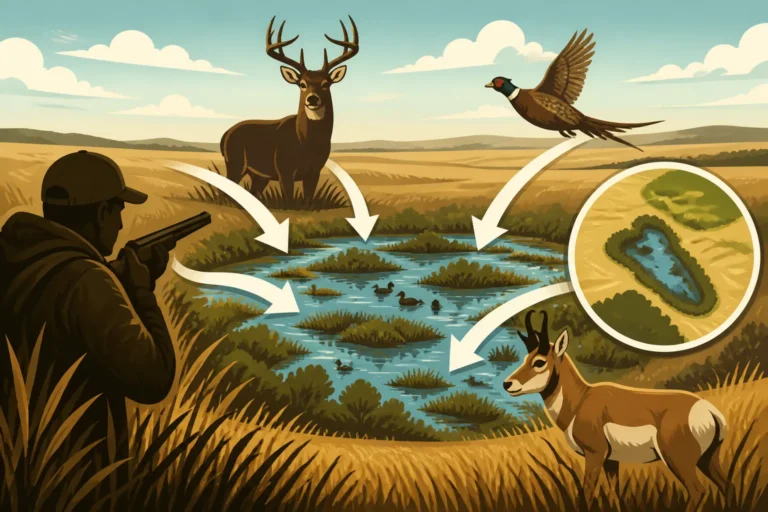
Just south of the forest fringe, you'll find Saskatchewan's aspen parkland. This region is characterized by rolling terrain dotted with aspen bluffs, willow thickets, and numerous small wetlands (potholes or sloughs), all interspersed with vast agricultural fields. It’s a slightly more open landscape than the dense fringe, but it holds its own incredible potential for trophy whitetails.
The parkland offers excellent nutrition from crops and a good amount of cover, though perhaps not as dense or expansive as the true forest fringe. Bucks here are masters of using these isolated bluffs, willow rings around sloughs, and even deep coulees as sanctuaries. They learn to move strategically between feeding areas and these pockets of cover, often travelling after dark or during the very low light hours of dawn and dusk. Reading Whitetail Sign in Saskatchewan Bluffs can be crucial for understanding how these deer utilize the landscape. The sheer number of these small, distinct cover patches can make hunting challenging, as deer can be anywhere, but it also creates opportunities for isolated bucks to grow large without constant disturbance. Hunters who spend time patterning deer movement between these bluffs and agricultural fields often find great success.
Farmland Giants: Hidden Gems
You might think wide-open farmland isn't prime big buck country, but Saskatchewan’s agricultural heartland can surprise you. While it lacks the dense, continuous cover of the north, certain areas, particularly where there are river valleys, extensive shelterbelts, or larger slough systems, produce absolute giants. These bucks survive by being incredibly reclusive and utilizing every bit of available cover.
Deer in these areas become incredibly nocturnal, often feeding in fields only after complete darkness has fallen. During the day, they might be bedded in a small, overlooked willow patch, a thick ditch, or even in a standing corn or canola field that hasn't been harvested yet. The key here is extreme intelligence and adaptation. These bucks know every nook and cranny of their territory and often live right under the noses of landowners, rarely seen during daylight hours. Access can be a challenge on private farmland, but where permission is granted, or on the scattered pieces of Crown land in these areas, the rewards can be immense. Understanding how these bucks operate is key to Hunting Whitetails on Saskatchewan Farmland. These giants prove that incredible genetics combined with abundant food and just enough cover, even if it's minimal, can produce world-class whitetails.
Factors Contributing to Massive Antlers and Body Size
It's easy to look at a picture of a giant Saskatchewan buck and just marvel, but there's a science behind that impressive rack and robust body. It's a complex interplay of genetics, age, and environmental factors that combine to create the conditions necessary for growing world-class whitetails. Understanding these elements can give hunters a deeper appreciation for the animals they pursue and a better grasp of what to look for in potential trophy country.
Genetics: The Blueprint for Greatness
Every living creature carries a genetic blueprint, and whitetail deer are no exception. Just like some human families tend to be taller or have certain hair colours, some deer populations simply have the genetic potential for larger body size and more impressive antlers. Saskatchewan's whitetails, particularly those in the central and northern parts of the province, are widely believed to possess superior genetics for antler growth. This isn't just about a buck growing "big" antlers; it's about the inherent capacity to grow thick beams, long tines, and often, impressive mass.
This genetic advantage means that even with identical nutrition and age, a Saskatchewan buck might inherently grow a larger rack than a buck from a region with less favorable genetics. While you can't change a deer's genes, knowing that the inherent potential is there in Saskatchewan offers a significant advantage. This genetic predisposition, combined with the other factors we'll discuss, creates a compelling argument for why this province consistently produces record-book animals. It's truly a testament to nature's selective process in a nutrient-rich environment.
Age Structure: Letting Them Grow
Perhaps the single most critical factor in growing truly massive antlers is age. A buck's antlers are primarily a reflection of its age and overall health. While a young buck might show promise, it typically won't reach its full antler potential until it's at least 4.5 years old, and often not until 5.5, 6.5, or even older. Many of the record-book bucks from Saskatchewan are estimated to be in these older age classes.
For bucks to reach these advanced ages, they need two things: sufficient habitat to evade predators (including human hunters) and a balanced harvest strategy. In Saskatchewan’s vast forest fringe and parkland areas, there’s an abundance of thick cover where mature bucks can hide and become effectively "un-huntable" for much of the season. Hunters also play a role through selective harvesting. While there isn't a province-wide antler restriction, many hunters, outfitters, and landowners practice voluntary restraint, choosing to pass on younger bucks to allow them to mature. This combination of dense cover and a culture of allowing bucks to age is paramount. If every promising young buck is harvested, the opportunity for true giants diminishes significantly. This emphasis on letting deer grow is a cornerstone of Saskatchewan's trophy hunting success.
Winter Survival and Healthy Herds
The harsh realities of a prairie winter can be a significant hurdle for deer, but Saskatchewan's whitetails are incredibly resilient. Their ability to survive and even thrive through severe cold directly impacts their health and subsequent antler growth. Mild winters, or winters where deer have access to high-quality food sources and thermal cover, are crucial. When deer don't have to expend excessive energy just to stay alive, more of their resources can be channeled into recovery and antler development in the spring.
A healthy herd, one with a balanced buck-to-doe ratio and sufficient food, is also less prone to disease and parasites, which can stress animals and inhibit antler growth. What Whitetails Eat Through a Prairie Winter is a great resource to understand their dietary needs during these tough months. The combination of abundant forage leading into winter, adequate cover for bedding and protection from the elements, and good overall herd health means that Saskatchewan bucks often come out of winter in strong condition, ready to grow those impressive racks again. When severe winter conditions or other stressors like disease impact the herd, antler quality can noticeably decline in subsequent years. So, the ongoing health and resilience of the whitetail population are foundational to the province's reputation for big bucks.
Hunting Strategies for Trophy Zones
It's one thing to know where the big bucks are, but it's another entirely to successfully hunt them. Trophy bucks in Saskatchewan, like anywhere else, are not easy to come by. They are often the most elusive, intelligent, and nocturnal animals in the herd. Their survival is a testament to their wariness and adaptability. To consistently connect with these giants, hunters need to employ smart strategies, emphasizing preparation, patience, and a deep understanding of whitetail behaviour in these specific landscapes.
Scouting Smart in Big Buck Country
Before you even step foot in the woods or fields, effective scouting is your most potent weapon. In Saskatchewan's big buck country, this means blending traditional boots-on-the-ground efforts with modern technology. Start with detailed maps, whether paper or digital. Tools like GoHunt or other advanced mapping applications are invaluable here. They allow you to pour over satellite imagery, identifying potential bedding areas, travel corridors, pinch points, and food sources long before the season opens. Look for dense bluffs bordering crop fields, thick willow runs connecting larger bush blocks, and subtle elevation changes that might funnel deer. This is also where understanding Scouting With Satellite Imagery in Saskatchewan becomes critical.
Once you have potential spots identified, it’s time for some old-fashioned legwork. During the off-season, walk these areas. Look for old rubs and scrapes from previous years, confirm bedding areas, and identify trails. Pay attention to how deer might move with different wind directions. Set up trail cameras in key funnels and near suspected feeding areas to get an idea of the deer population, including any mature bucks in the area. Remember, a mature buck isn't going to be on the obvious main trail; he'll likely be using a parallel, less-defined path just inside the cover. Smart scouting allows you to eliminate unproductive ground and focus your efforts where the giants are truly living.
Patience and Persistence in High-Yield Areas
Hunting trophy whitetails is often a test of patience, and in Saskatchewan, this is especially true. The sheer size of the country, combined with the nocturnal nature of big bucks, means you might spend days or even weeks without seeing a truly mature animal during daylight hours. This is particularly relevant when Hunting Saskatchewan's November Rut. When the rut heats up, bucks become more active during the day, but even then, they are often on high alert.
Long sits in a stand or blind, especially during the peak rut, are often what it takes. This means being prepared for the elements, having enough food and water, and mentally committing to stay put. Hunting a good ambush point on a bush edge, a strategic funnel, or a hidden food plot requires incredible discipline. Don't be tempted to move too much or too often, as you might bump the very deer you're after. Persistence also means returning to promising areas even if you haven't seen anything for a few days. Buck patterns can change, and you might just hit the right day when that elusive giant decides to move through your setup during shooting light.
Understanding Pressure and Sanctuary
Big bucks become big bucks because they are masters at avoiding pressure. They instinctively know where hunters are and will adjust their movements and bedding areas accordingly. In Saskatchewan's high-yield zones, understanding how human pressure (or the lack thereof) impacts deer movement is paramount. Public lands, especially on opening weekend, can see significant pressure, pushing mature bucks into the densest, most inaccessible cover. This is where Hunting a Saskatchewan Bush Edge with minimal intrusion can pay dividends.
The key is to identify and hunt the "sanctuary" areas – those dense, untouched pockets of cover where bucks feel safe. These might be deep in a large block of bush, a seemingly impenetrable slough bottom, or even a small, overlooked woodlot that hunters drive past. Often, the biggest bucks will bed very close to food, but in cover so thick that few hunters are willing to penetrate it. Your strategy should revolve around setting up on the edges of these sanctuaries, intercepting bucks as they move in and out, rather than trying to bust them out of their daytime hideouts. Minimizing your intrusion, being scent conscious, and entering and exiting your stands quietly are all critical components of hunting these wary giants. If you can find a piece of land that gets little to no hunting pressure, or where landowners carefully manage access, you've found a gem.
The Role of Hunter Management and Conservation
The continued success of Saskatchewan as a trophy whitetail destination isn't just a happy accident; it’s a direct result of effective wildlife management and the collective choices of hunters and landowners. The province’s regulatory framework, combined with a strong conservation ethic, ensures that populations remain healthy and that opportunities for harvesting mature animals persist. Every hunter, from resident to non-resident, plays a part in maintaining this delicate balance.
Hunter Choices and Their Impact
Each time a hunter makes a decision in the field, it contributes to the broader health and age structure of the whitetail herd. While Saskatchewan doesn't have strict provincial antler point restrictions like some jurisdictions, there's a strong culture, especially among serious trophy hunters and outfitters, of letting younger bucks walk. This "quality deer management" (QDM) approach, whether formally adopted or simply practiced by individuals, is hugely influential.
When hunters choose to pass on a promising 2.5-year-old or even 3.5-year-old buck, they are directly investing in the future of trophy hunting. That buck, given another year or two, has the potential to add significant mass and tine length, transforming into a true giant. This mindset is particularly prevalent in outfitters who pride themselves on high success rates for mature animals. They often educate their clients on antler development and encourage selective harvesting, ensuring that their hunting grounds continue to produce impressive bucks for years to come. This individual choice, multiplied across thousands of hunters, is a cornerstone of Saskatchewan’s reputation for growing big bucks.
Wildlife Management Zones and Their Purpose
Saskatchewan is divided into numerous Wildlife Management Zones (WMZs), each with specific regulations regarding season dates, bag limits, and often, the type of animal that can be harvested (e.g., antlered vs. antlerless deer). These zones are not arbitrary; they are carefully designed based on habitat types, deer populations, and local land use. Understanding Saskatchewan's Wildlife Management Zones is essential for any hunter.
The purpose of these WMZs is to allow for localized management strategies. In areas where deer populations are high, or where there's a need to balance herd health, antlerless tags might be more prevalent. In prime trophy areas, regulations might encourage the harvest of older bucks or maintain more conservative limits. These zones also help distribute hunting pressure across the landscape, preventing certain areas from being overhunted while others remain underutilized. By following the regulations for your specific WMZ, hunters contribute directly to the sustainable management of the whitetail resource. This structured approach to wildlife management ensures that the factors contributing to big buck growth – healthy populations, good age structure, and sufficient resources – are maintained for future generations of hunters.
Regional Trophy Potential Breakdown
To give you a clearer picture of where Saskatchewan's biggest bucks are consistently found, here’s a breakdown comparing the general characteristics of the prime hunting regions.
| Feature | Forest Fringe | Parkland Pockets | Farmland Core |
|---|---|---|---|
| Dominant Habitat | Dense boreal/aspen forest mixed with agriculture | Aspen bluffs, willow rings, sloughs, agriculture | Large, open agricultural fields with limited cover |
| Food Availability | Abundant, high-quality (crops + natural browse) | Very good (crops + natural browse in pockets) | Excellent (primarily crops) |
| Cover Density | Extremely high, expansive, continuous | Moderate to high, patchy, distinct bluffs/pockets | Low, isolated shelterbelts, ditches, unharvested fields |
| Buck Age Potential | High (bucks can easily evade pressure and grow old) | Moderate to high (bucks use pockets strategically) | Moderate (bucks rely on extreme reclusiveness) |
| Hunting Pressure | Varies, can be low in remote areas, high in accessible | Varies, can be high around accessible bluffs | Generally low for mature bucks, high for general deer |
| Typical Buck Size | Consistently large body & antler size | Often large body & antler size | Can produce giants, but less consistently |
| Hunting Style | Stand hunting on edges, still hunting, tracking | Stand hunting in funnels, spot & stalk on bluffs | Stand hunting pinch points, still hunting thick cover |
The table clearly illustrates that the forest fringe offers the most ideal conditions for bucks to reach their maximum potential due to the perfect blend of food and cover. However, the other regions, with smart hunting and understanding of local deer behavior, can certainly produce those incredible once-in-a-lifetime animals too. For instance, knowing how to interpret Reading Sign After Fresh Saskatchewan Snow can provide unique opportunities regardless of the specific landscape.
Disclaimer
Hunting in Saskatchewan requires adherence to all provincial and federal regulations. This guide provides general information and should not be considered a substitute for consulting the official Saskatchewan Hunter's and Trapper's Guide and other regulatory documents. Always ensure you have the correct licenses, landowner permission, and understand all rules before hunting. Conditions and regulations can change, so staying informed is crucial for a safe and successful hunt.