Ptarmigan in Saskatchewan’s Far North
Many folks picture Saskatchewan as endless golden prairie and bustling farmlands, and while that's certainly a huge part of our province's identity, it’s a big mistake to think that's all there is. Venture far enough north, and you’ll discover a wild, untamed frontier that feels a world away, a place where the boreal forest gradually gives way to true tundra and the hardy ptarmigan calls home. This remote landscape offers one of Saskatchewan's most unique and challenging hunting experiences, far removed from the more commonly pursued big game or waterfowl. This guide will take you on a journey into that vast northern expanse, revealing the secrets of hunting ptarmigan and helping you prepare for an adventure unlike any other.
The Elusive Ptarmigan: Saskatchewan's Northern Gem
Saskatchewan's far north is a land of incredible contrasts, where life thrives despite extreme conditions. Among its most fascinating inhabitants is the ptarmigan, a bird perfectly adapted to this harsh environment. Often overlooked by hunters focused on larger quarry, the ptarmigan offers a deeply rewarding experience for those willing to brave its remote habitat. It's a hunt that demands patience, resilience, and an appreciation for true wilderness.
Understanding Ptarmigan Species in Saskatchewan
When we talk about ptarmigan in Saskatchewan, we're primarily referring to the Willow Ptarmigan. These birds are master survivors, thriving in the transition zones between the dense boreal forest and the more open tundra. They are robust, grouse-like birds, well-equipped with feathered feet that act like snowshoes, allowing them to traverse deep snow with relative ease. Their diet consists mainly of buds, twigs, and berries, which they forage even in the coldest months. While other species like the Rock Ptarmigan might occasionally be found further north in Canada, the Willow Ptarmigan is the primary target for hunters in Saskatchewan's northern reaches. Understanding their biology and behaviour is the first step in successfully pursuing them. They are not like the sharp-tailed grouse you'd flush from prairie grass or the ruffed grouse drumming in poplar bluffs; these birds have a distinct northern temperament.
Their reliance on specific vegetation types, like willow thickets and stunted spruce, makes them somewhat predictable once you learn to read the landscape. You won't find them in dense, mature forest, nor out on completely barren rock. Instead, they prefer the transition zones, the edges where trees give way to more open, shrubby terrain, offering both cover and food sources. Their flight is strong and direct, but they often prefer to run or hunker down, relying on their incredible camouflage to avoid detection. This characteristic makes hunting them a careful game of observation and quiet movement rather than fast-paced flushing action.
The Remarkable Seasonal Camouflage
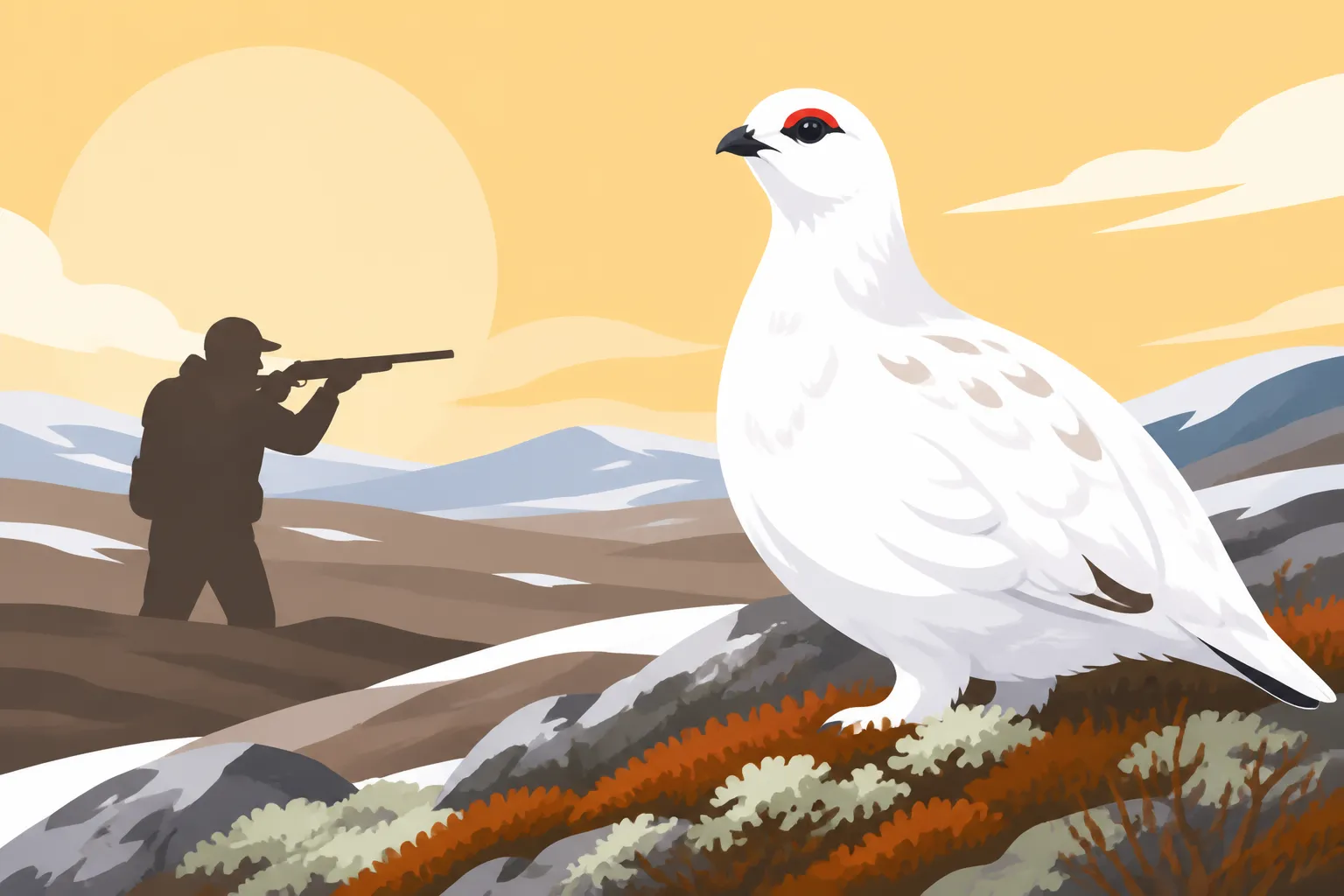
Perhaps the most iconic feature of the ptarmigan is its phenomenal ability to change plumage with the seasons. This isn't just a slight colour shift; it's a complete transformation that helps them blend seamlessly into their ever-changing environment. In winter, they are almost entirely pure white, providing perfect camouflage against the snow-covered landscape. This is why a hunt for them in the depths of winter can be so incredibly challenging, as they can practically disappear before your very eyes. Imagine a ghost-like bird against a backdrop of endless white – that’s the ptarmigan in its prime winter coat.
As spring arrives and the snow begins to melt, their feathers gradually turn a mottled reddish-brown and grey, mimicking the exposed tundra and rocky outcrops. By summer, they are predominantly brown, blending with the sparse vegetation. Then, as fall gives way to winter again, they slowly transition back to white. This incredible adaptation is key to their survival, protecting them from predators throughout the year. For the hunter, understanding this colour change is crucial, as it dictates how visible they will be and where you might best spot them. For a deeper dive into this fascinating adaptation, check out our piece on Ptarmigan Colour Change Through the Season. Hunting them during these transitional periods, when they might be part white and part brown, can be particularly tricky, as their patchy appearance can make them even harder to distinguish from their varied surroundings.
Where the Tundra Meets the Boreal: Ptarmigan Habitat in Saskatchewan's Far North
Finding ptarmigan is less about vast, open fields and more about understanding the subtle nuances of a truly remote ecosystem. Saskatchewan’s far north is a place of endless muskeg, stunted forests, and ancient rock formations – a world apart from the cultivated south. It's an area that demands careful scouting and a keen eye for habitat.
Pinpointing Their Range: Beyond the Treeline
Saskatchewan's ptarmigan country begins roughly north of the Churchill River system, where the full-sized boreal forest starts to thin out and give way to a more open, subarctic landscape. This is a region dominated by vast expanses of muskeg, dotted with stunted black spruce, tamarack, and thick willow and alder brush in lower-lying areas. It's not a place you simply drive into with ease; access often involves bush planes, canoes, or extensive winter snowmobile treks. The true ptarmigan sweet spots are often found near the treeline, where the transition from sparse forest to true tundra is most pronounced. These areas offer the perfect mix of shelter from the elements and access to their preferred food sources.
When you're planning an expedition into this country, mapping tools like those offered by GoHunt become invaluable. They can help you identify areas with the right blend of terrain features – those critical willow thickets along frozen rivers or the edges of muskeg bogs that provide shelter and forage. It’s a completely different kind of landscape than what most hunters in Saskatchewan are used to, requiring a mindset geared toward true wilderness navigation and survival. For those interested in the broader northern hunting experience, our guide on Hunting Saskatchewan's Boreal North offers additional context on this wild and remote region. Look for areas where the ground cover is low but dense, providing enough protection to hide yet enough open ground for the birds to feed and move.
Key Indicators of Ptarmigan Presence
Unlike deer or moose that leave obvious tracks and browse lines, ptarmigan sign can be subtle, especially in their winter white phase. However, with a trained eye, you can definitely tell if you’re in a promising area. The most common indicators are tracks in the snow, particularly where they’ve been foraging amongst willow or birch twigs. Their feathered feet leave a distinctive impression, and you might see disturbed snow where they’ve burrowed to roost or find food. Droppings, small and pellet-like, will often be found in areas where they feed or shelter.
Another key sign is the presence of their preferred food sources: willow buds, birch catkins, and the tender shoots of other low-lying shrubs. If you find an area with an abundance of these plants, especially if there's evidence of recent browsing, you’re likely in prime ptarmigan territory. Sometimes, you might even see the faint imprints of their wings in the snow where they’ve taken flight, leaving a momentary "snow angel" behind. This is a classic indicator that you’ve just missed a bird or that others are nearby. Learning to interpret these subtle clues is part of the art of Reading Sign After Fresh Saskatchewan Snow, and it's essential when hunting these masters of camouflage. It’s about slowing down, observing, and understanding the rhythm of the northern landscape.
The Hunt for Ptarmigan: Challenges and Rewards
A ptarmigan hunt in Saskatchewan's far north is not for the faint of heart. It presents unique challenges that test a hunter's endurance, planning, and wilderness skills. However, these very challenges are what make the experience so incredibly rewarding, offering a deep connection to nature and a sense of accomplishment unlike any other.
Navigating Remote Terrain
Accessing ptarmigan habitat is perhaps the biggest hurdle. These birds live in areas with few, if any, roads. This means a significant investment in time and resources for travel, whether by bush plane to a remote lake, snowmobile deep into the winter wilderness, or canoe trips during the shoulder seasons. The terrain itself is often unforgiving: vast, frozen lakes, endless muskegs, dense willow thickets, and rolling, rocky uplands. Navigation requires serious attention to detail, as landmarks can be few and far between, especially under a blanket of snow. A reliable GPS unit is an absolute must, often supplemented with a satellite communication device for emergencies.
Weather conditions can change rapidly and severely. Extreme cold, blizzards, and deep snow are common, particularly during the prime winter hunting season. This isn't a place where you can just pull over and wait out a squall in your truck. You need to be prepared for self-sufficiency, often miles from any human habitation. For those truly adventurous souls, our guide on Hunting Saskatchewan Winter Weather Safely provides crucial advice for preparing for these conditions. The solitude is profound, but it also means that any mistake or unforeseen event can quickly escalate into a serious situation. Every step needs to be calculated, every piece of gear thoroughly checked.
Hunting Strategies and Techniques
Hunting ptarmigan is often a solitary pursuit, focused on slow, methodical still-hunting or carefully working through prime habitat. Dogs can be useful, particularly if you have a high-ranging bird dog accustomed to cold and vast spaces, but they need to be well-trained and conditioned for the extreme conditions. The birds often hold tight, relying on their camouflage, so a deliberate approach is key. You're not typically going to have fast-flying flushes like with ducks or pheasants; instead, you're looking for a quick shot at a bird that erupts from almost underfoot or a more deliberate shot at one that has held its ground.
Many successful ptarmigan hunts involve covering a lot of ground on snowshoes or skis, meticulously scanning ahead for any movement or subtle colour anomaly. Binoculars are surprisingly helpful, even in open country, to pick out birds that are hunkered down. Once flushed, ptarmigan often don't fly far, sometimes just a hundred yards or so, before settling back down into cover. This allows for follow-up opportunities if you can mark their landing spot. Patience is paramount, as is the ability to walk quietly and observe. For specific season details and timing your hunt, refer to our article on Ptarmigan Season in the Far North. It's a game of hide-and-seek where the prize is a truly wild bird from an untouched landscape.
The Unique Experience of a Northern Hunt
Beyond the challenge and the harvest, a ptarmigan hunt offers an unparalleled wilderness experience. The silence of the far north is profound, broken only by the crunch of snow underfoot, the whisper of the wind, or the occasional call of a raven. The vast, unspoiled landscapes are breathtaking, especially under a winter sky where the aurora borealis can dance in vibrant colours. It's a chance to completely disconnect from the hustle and bustle of modern life and immerse yourself in nature.
The reward isn't just a full game bag, but the memories of vast horizons, the crisp, clean air, and the feeling of truly earning your quarry in an environment that demands respect. You learn resilience, patience, and a deep appreciation for the natural world. It’s a stark reminder of the wild heart of Saskatchewan that often goes unseen. Many hunters who undertake these trips find the journey itself to be as fulfilling as the actual hunt, a chance to test their limits and connect with the raw beauty of the subarctic.
Essential Gear and Preparation for a Ptarmigan Expedition
Preparing for a ptarmigan hunt in Saskatchewan's far north isn't like gearing up for a pheasant hunt. This is an expedition into one of North America's most challenging environments, demanding meticulous planning and robust, reliable gear. Cutting corners here isn't just uncomfortable; it can be genuinely dangerous.
Clothing and Footwear for Extreme Cold
Staying warm is non-negotiable. A multi-layered clothing system is essential, allowing you to adapt to fluctuating temperatures and exertion levels. Start with a moisture-wicking base layer (merino wool or synthetic, never cotton) to pull sweat away from your skin. Next, add insulating mid-layers, such as fleece or down, which trap warm air. Your outer layer needs to be windproof, waterproof, and breathable, capable of shedding snow and blocking the biting northern wind. Think high-quality parkas and insulated bib pants.
For footwear, choose heavily insulated, waterproof winter boots rated for extreme cold. These should be large enough to accommodate thick wool socks without constricting your feet, which can cut off circulation and lead to frostbite. Good traction is critical for navigating icy or snow-covered terrain. Don't forget your extremities: a warm toque or balaclava, insulated mittens (with trigger fingers if necessary), and hand warmers are crucial. Even a brief exposure to the elements in these temperatures can lead to frostbite. For a comprehensive list of winter essentials, our article on Winter Truck Kit for a Saskatchewan Hunt offers valuable insights, though remember to scale up for deep wilderness.
Navigation, Communication, and Safety
In the remote north, getting lost or encountering an emergency without communication can have dire consequences. A reliable GPS unit, loaded with detailed topographic maps and satellite imagery, is absolutely mandatory. Don't rely solely on your phone; cold temperatures can rapidly drain battery life, and cell service is virtually non-existent. A satellite communication device, like a satellite phone or an inReach-style messenger, is also critical for emergencies. These devices allow you to send SOS signals and communicate with loved ones or rescue services, even when miles from the nearest road or settlement. Modern mapping and planning tools, like those found on GoHunt, can be a fantastic resource for pre-trip scouting and loading waypoints. They allow you to study terrain features, identify potential access points, and mark out likely ptarmigan habitat long before you ever step foot in the bush.
Always carry a comprehensive first-aid kit, tailored for wilderness emergencies, and know how to use it. Emergency shelter, a fire-starting kit, extra food and water (or purification tablets), a headlamp with spare batteries, and a knife are also non-negotiables. It’s wise to share your detailed itinerary with someone responsible who knows when to expect you back and what to do if you don't check in. Read up on What to Do If You Get Stuck in the Bush – it's better to be prepared for the worst. The rule of thumb here is redundancy; carry multiple ways to navigate, communicate, and stay warm.
Firearms and Ammunition Choices
For ptarmigan, a lighter gauge shotgun, such as a 20-gauge or even a .410, is often ideal. These birds are not large, and heavy loads can be overkill. The focus should be on a quick-swinging, reliable firearm that you can comfortably carry over long distances. Pay close attention to ammunition. In many northern hunting scenarios, non-toxic shot is often a requirement, especially in federal wildlife areas or near sensitive wetlands. Always check the current regulations for the specific Wildlife Management Zone you plan to hunt. Small shot sizes, like 6 or 7.5, are usually sufficient for ptarmigan, offering a dense pattern for these relatively small birds.
Consider the reliability of your firearm in extreme cold. Some lubricants can thicken, affecting action. Test your gear in cold conditions before your trip if possible. Keep your firearm clean and dry, especially during travel. A quality sling will also be your best friend, as you'll be carrying your shotgun for hours through varied terrain. Remember, the goal is a clean, ethical harvest, and selecting the right firearm and ammunition is part of that responsibility.
Conservation, Ethics, and Enjoying the Northern Bounty
Hunting ptarmigan in Saskatchewan’s far north is more than just a hunt; it's a profound engagement with a pristine wilderness. As such, it comes with a significant responsibility to uphold ethical hunting practices and contribute to the conservation of this unique environment. Respect for the land, the wildlife, and the hunting tradition ensures these adventures remain possible for generations to come.
Responsible Hunting Practices
Always adhere strictly to provincial hunting regulations, including bag limits, season dates, and specific rules for your chosen Wildlife Management Zone. These regulations are designed to ensure sustainable populations and protect the ecological balance of the northern ecosystem. Beyond the legal requirements, ethical considerations dictate that you only take clean, responsible shots, ensuring a swift and humane harvest. Avoid waste; every effort should be made to recover any bird you shoot. This might mean tracking a bird over significant distances, even in difficult conditions.
When traveling through these remote areas, practice Leave No Trace principles. Pack out everything you pack in, including spent shell casings, food wrappers, and any other garbage. Minimize your impact on the fragile tundra vegetation and avoid disturbing sensitive areas. Be mindful of your presence and leave the landscape as you found it, or better. This is especially true in areas where wildlife is sparse and easily disturbed. The remote nature of the hunt means few eyes are watching, which puts an even greater onus on individual hunters to be exemplary stewards of the land.
Processing and Enjoying Your Harvest
Once harvested, proper field care is crucial to preserving the quality of your ptarmigan. In the cold temperatures of the far north, meat spoilage is often less of an immediate concern than in warmer climates, but good practices are still essential. Field dress your birds as soon as possible to allow the body heat to dissipate, which helps prevent bacterial growth. If you’re far from camp, simply gutting the birds can be enough to cool them down. In extremely cold conditions, be careful that the meat doesn't freeze too quickly before all internal heat has escaped.
Ptarmigan meat is lean, with a delicate, somewhat gamey flavour, often described as richer than chicken but milder than many other grouse species. It's excellent roasted, pan-fried, or used in stews and pies. Many hunters enjoy them simply seasoned and cooked over an open fire, a perfect complement to the wilderness experience. Consider taking photos of your harvest and the incredible landscape, but remember the experience itself is the true trophy. The meat is a bonus, a tangible connection to the wildness you've experienced.
Planning Your Ultimate Northern Adventure
Successfully planning a ptarmigan hunt requires thorough research and a deep understanding of the logistics involved. Don't underestimate the remoteness and the potential challenges. Start by consulting the official Saskatchewan hunting guide for the most up-to-date regulations, season dates, and specific zone information. Utilize online resources like GoHunt to scout potential areas, review satellite imagery, and identify access points, even if those access points are hundreds of miles from the nearest paved road. GoHunt can also be a valuable resource for connecting with other hunters who have experience in these unique northern environments, though always vet information carefully.
Consider bringing experienced partners who are also prepared for wilderness conditions. Think about the duration of your trip, food provisions, fuel for snowmobiles or canoes, and contingency plans for unexpected delays or emergencies. If you're considering a truly deep-bush expedition, contracting a reputable bush plane charter service for fly-in access can significantly expand your hunting opportunities into areas that are otherwise unreachable. For more insights on the far north, explore our guide on Hunting Saskatchewan's Far Northern Zones. A well-planned ptarmigan hunt is an unforgettable journey into the heart of Saskatchewan’s wild frontier, offering a unique blend of challenge, beauty, and rewarding solitude.
| Feature | Summer/Fall Plumage | Winter Plumage | Transitional Plumage |
|---|---|---|---|
| Primary Colour | Brown, grey, black mottling | Pure white (with black tail) | Patchy brown and white |
| Habitat Blend | Tundra vegetation, rocks | Snow-covered ground, ice | Melting snow, exposed ground |
| Visibility to Hunters | Moderate (blends with rock/earth) | Extremely Low (ghost-like) | Varied, can be very challenging |
| Hunting Challenge | Relies on keen observation | Requires sharp contrast detection | Requires adaptability |
| Period | Late spring to early fall | Mid-fall through winter | Spring melt and late fall |
Disclaimer
This article is for general informational purposes only and does not constitute professional advice. Laws, prices and regulations vary by location and change over time. Consult a qualified professional for guidance on your specific situation.