Hunting Saskatchewan’s Southern Prairie
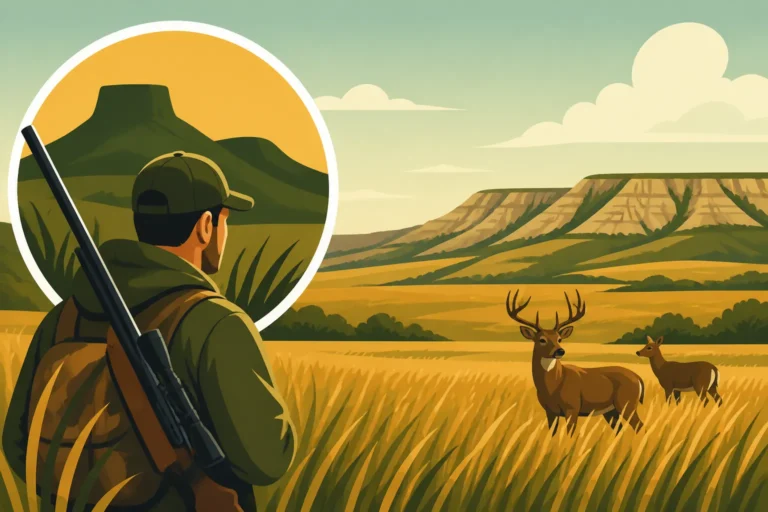
Hunting Saskatchewan's vast southern prairie can feel incredibly intimidating, like trying to find a needle in a haystack where the haystack stretches for hundreds of miles. Many hunters get overwhelmed by the sheer scale of the landscape and the challenge of locating elusive game in such open country. This comprehensive guide is designed to help you decode the nuances of the southern prairie, from understanding its unique habitats and target species to mastering effective hunting strategies and navigating critical access issues, ensuring your next hunt is both productive and enjoyable.
Understanding Saskatchewan's Southern Prairie Landscape for Hunters
Saskatchewan's southern prairie isn't just flat ground; it's a dynamic, intricate ecosystem that offers a unique hunting challenge. Unlike the dense bush of the north, the prairie demands a different kind of scouting, patience, and strategy. Understanding its distinct features is the first step to success.
Diverse Habitats Within the Open Expanse
When people picture the prairie, they often imagine endless, flat fields. While that's part of it, the southern prairie is actually a mosaic of diverse habitats that each hold specific appeal for different game animals. You'll find everything from undulating native grasslands and river valleys to small coulees, brushy draws, and agricultural fields. These subtle changes in topography and vegetation are crucial clues for hunters.
Take, for instance, the rolling grasslands of the southwest, like those around the Cypress Hills. Here, you'll encounter vast stretches of unbroken fescue, dotted with small pockets of aspen bluffs or scattered evergreens in the more protected areas. This is prime habitat for pronghorn and mule deer, who use the subtle rises and dips for cover and bedding. Further east, as you move into the mixed grass prairie and parkland transition zones, the landscape becomes more interspersed with sloughs, willow runs, and shelterbelts. These provide critical cover and travel corridors for whitetails, especially as you approach agricultural lands where food sources are abundant. Understanding these micro-habitats within the larger prairie context is key. A small, overgrown creek bottom might seem insignificant, but to a weary buck on a sunny day, it's a perfect hideaway.
The Influence of Agriculture and Water Sources
Agriculture defines much of Saskatchewan's southern prairie, and its influence on wildlife cannot be overstated. Vast fields of wheat, canola, lentil, and pea provide an almost endless buffet for deer, particularly whitetails. These crops not only offer food but also incredibly dense cover for bedding and travel, especially after the plants have grown tall. Hunting the edges of these fields, or looking for pinch points where deer move between cover and food, becomes a primary strategy. You'll often find deer "yarding up" in standing crops or heavy brush along field edges, making them difficult to spot until they move.
Water sources are another critical factor, especially in drier years. Dugouts, sloughs, and river systems like the Qu'Appelle River Valley act as magnets for all game species. A lone dugout in the middle of a pasture, surrounded by a ring of willows, can be a hotspot for deer coming to drink, especially in the late afternoon. Similarly, the deep, winding coulees that cut through the prairie often harbor natural springs or small creeks, creating oases of denser cover and year-round water, essential for both deer and upland birds. Neglecting these seemingly minor water features could mean missing out on significant game activity. Hunting a Dugout in Dry Country or Hunting a Frozen Slough Crossing can be incredibly productive spots.
Key Game Species on the Southern Prairies
Saskatchewan's southern prairie is a treasure trove for hunters, offering opportunities for diverse species that thrive in its unique blend of open fields, coulees, and shelterbelts. Knowing what you're after and where they typically reside is crucial for a successful hunt.
Whitetail Deer: The Edge Dwellers
While giant whitetails are often associated with the northern forest fringe, the southern prairie also holds its own impressive population of bucks, often growing to substantial size due to abundant food sources in agricultural areas. These whitetails are true "edge dwellers," meaning they rarely venture far from cover. They'll use anything from small willow thickets and brushy coulees to larger shelterbelts and bluffs of aspen as their sanctuary during the day.
Hunting whitetails on the prairie often involves identifying these pockets of cover amidst the vast fields. During hunting season, especially during the rut, bucks will cruise these edges, checking for does. You might find them bedding down deep within a standing canola or pea field, emerging only at dusk to feed. Successful hunting here often means patience, observation, and being able to spot subtle signs along fence lines and field approaches. A keen eye and a good pair of binoculars are your best friends. White-Tailed Deer, Saskatchewan's Signature Animal thrive in this environment, and understanding their movements between bedding and feeding areas is paramount.
Mule Deer: The Prairie Nomads
Mule deer are synonymous with the rolling, broken country of Saskatchewan's southwest. They prefer the open vistas, using the contours of the land, deep coulees, and badlands for cover and escape. Unlike whitetails, mule deer are more likely to be found out in the open, often bedding on a hillside where they can survey their surroundings. Their large ears and keen eyesight are perfectly adapted for this landscape, making them notoriously challenging to approach.
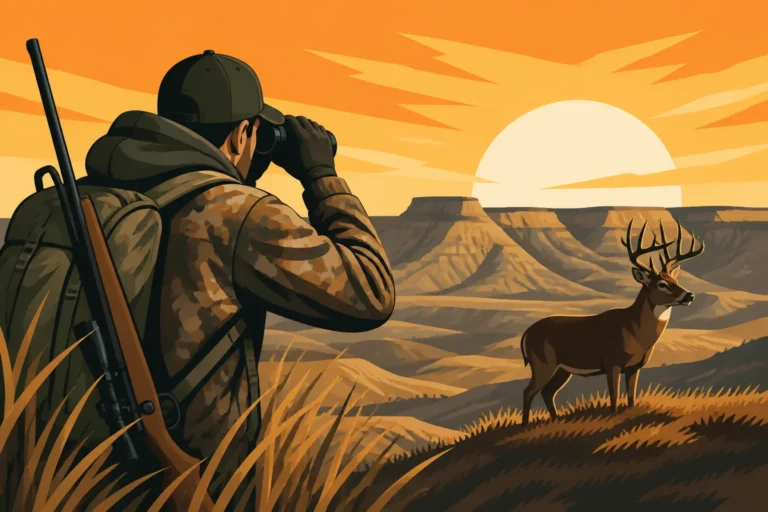
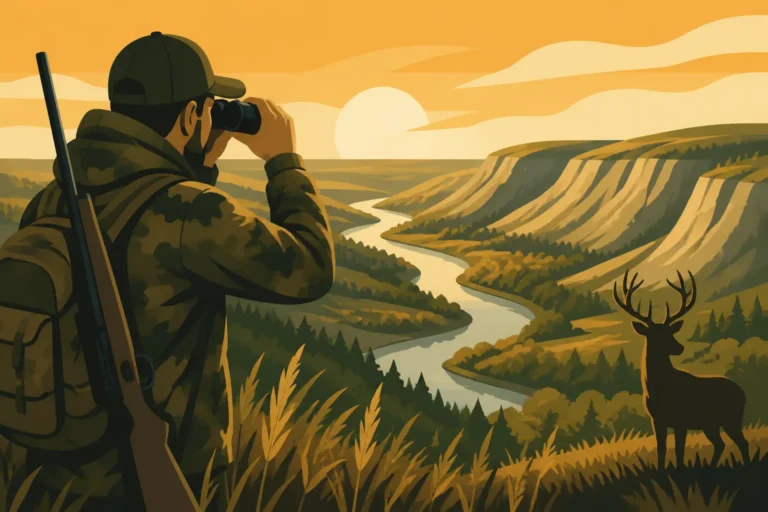
Spot-and-stalk is the quintessential mule deer hunting method on the prairie. This involves extensive glassing from elevated positions, patiently scanning coulee systems and hillsides for the tell-tale white patch of a mule deer's rump or the dark outline of an antler. Once spotted, a slow, deliberate stalk using terrain features to conceal your approach is necessary. Hunters often spend hours just watching, waiting for the deer to move into a favorable position or to simply feed closer to a stalkable feature. Mule Deer Across Saskatchewan's Prairie are a prized species, and success often comes to those who embrace the long game.
Pronghorn: The Prairie Speedsters
The fastest land animal in North America, the pronghorn, is a sight to behold on Saskatchewan's open grasslands, primarily in the province's southwestern reaches. Their incredible speed and eyesight make them one of the most challenging animals to hunt. They prefer wide-open spaces, where their vision gives them a distinct advantage, allowing them to spot danger from vast distances.
Hunting pronghorn is almost exclusively a spot-and-stalk endeavor, demanding even more patience and stealth than mule deer hunting. The trick is to find a herd, then use the subtle terrain—any small rise, depression, or even a low fence line—to get within shooting range. This can often mean belly-crawling for hundreds of yards in dusty, prickly conditions. Wind direction is critical, as is understanding their travel patterns to water sources or feeding grounds. It’s a game of inches and extreme patience, but the reward of harvesting one of these magnificent animals on their home turf is unparalleled. Pronghorn on Saskatchewan's Southwest Grassland offers a truly unique prairie hunting experience.
Upland Birds and Predators: Constant Opportunities
Beyond big game, the southern prairie offers excellent opportunities for upland birds. Sharp-tailed grouse are abundant in native grasslands and brushy coulees, often found in large coveys. Hungarian partridge, or "Huns," are common around farmyards, shelterbelts, and stubble fields. Both offer fast-paced wing-shooting action and are a fantastic way to fill downtime between big game sits or to extend your hunting season. Saskatchewan's Upland Birds are a great addition to any prairie hunting trip.
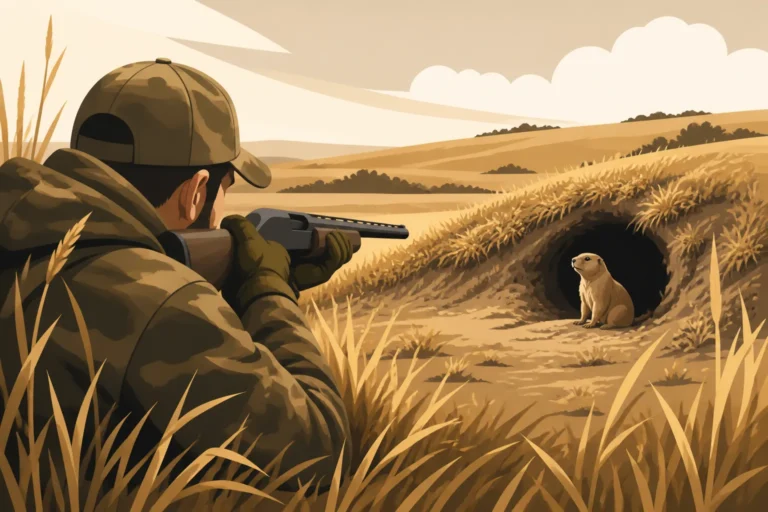
Coyotes are also highly prevalent across the southern prairie, drawn by the abundance of rodents, hares, and deer fawns. For hunters, calling coyotes can provide thrilling action, especially in the colder months when their pelts are thick. This often involves setting up in a strategic location with good visibility and using various calls to mimic distressed prey or other coyotes. While not a primary game species for everyone, they offer a year-round hunting opportunity and play a vital role in the prairie ecosystem.
Finding Hunting Access and Public Land Opportunities
One of the biggest hurdles for hunters on the southern prairie is gaining access to land. With a significant portion of Saskatchewan being privately owned, understanding the different types of land and how to approach them is essential.
Navigating Private Land Permission
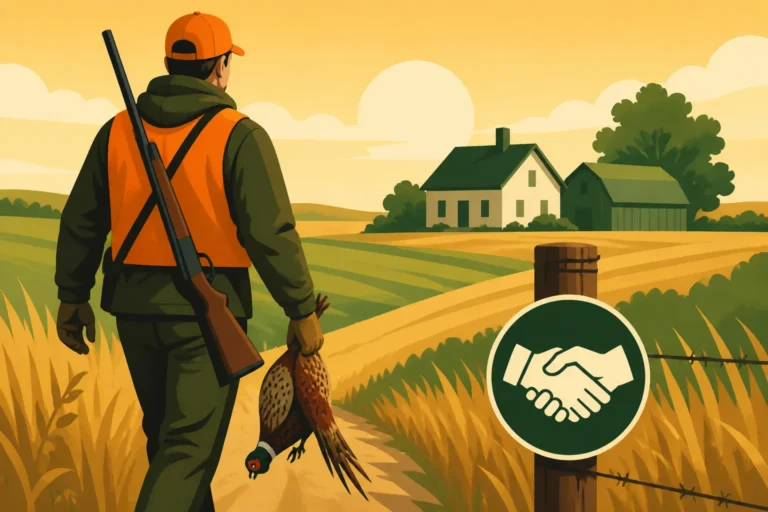
A vast amount of the southern prairie is privately owned farmland or ranchland. Unlike some other jurisdictions, Saskatchewan law requires hunters to obtain permission from the landowner or occupant before hunting on private land. This is not merely a courtesy; it is a legal requirement. Trespassing can lead to significant fines and the loss of hunting privileges.
Securing permission often involves the age-old tradition of "knocking on doors." This can be daunting, but a polite, respectful approach often goes a long way. Dress presentably, be clear about what you intend to hunt and where, and always respect a "no." A short, friendly chat at the farmhouse, offering to share some game or help with a small chore, can sometimes open doors. It's a relationship-building exercise, and repeat access often depends on how well you conduct yourself. Hunters using apps like onX Hunt will find land ownership layers incredibly helpful for identifying landowners before they even leave home, allowing them to make targeted requests. Getting Private Land Permission in Saskatchewan is a skill every prairie hunter needs to develop.
Hunting Saskatchewan's Crown Land
While less prevalent in the intensively farmed southern regions compared to the north, Saskatchewan does have scattered pockets of Crown Land (public land) on the prairie. These parcels can be diamond mines for unpressured hunting if you know how to find them. Crown Land includes various types, from provincial forest lands (though these are more common further north) to smaller, often disconnected parcels of native prairie grassland.
The challenge with Crown Land on the southern prairie is often its fragmented nature and accessibility. It might be a quarter section surrounded by private land, requiring careful navigation or specific access routes. Digital mapping tools like onX Hunt or GoHunt are absolutely invaluable here, as they clearly show Crown Land boundaries, often layered over satellite imagery. This allows hunters to scout potential access points and understand the surrounding terrain before stepping foot out of the truck. Always verify access points and regulations for specific Crown Land parcels, as rules can vary. Saskatchewan's Crown Land Access is a cornerstone for independent hunters.
Fish and Wildlife Development Fund (FWDF) Lands
The Fish and Wildlife Development Fund (FWDF) is a program managed by the Saskatchewan government, where lands are purchased or leased specifically for wildlife habitat and public hunting access. These parcels are typically well-marked with distinctive yellow FWDF signs and are open to public hunting without specific landowner permission, though general hunting regulations still apply.
FWDF lands are particularly important in the southern prairie, as they often preserve valuable native habitat that might otherwise be converted to agriculture. They frequently contain critical cover, water sources, and food plots, acting as magnets for wildlife. Because they are designed for public access, they can see higher pressure, especially on opening weekends. However, many FWDF properties are large enough that a hunter willing to walk a bit further can still find solitude and success. Familiarize yourself with these areas by checking provincial land-use maps or through mapping apps. Hunting an FWDF Parcel Without Permission is generally allowed, but check local rules, as some might have specific restrictions.
Community Pastures and Their Rules
Saskatchewan's Community Pastures are another significant source of potential hunting access on the southern prairie. These are large blocks of native grassland, historically managed for livestock grazing, but many are also open to hunting. There are federal, provincial, and patron-managed community pastures, and the access rules can differ slightly for each.
Generally, you need to contact the pasture manager to inquire about hunting access. They can provide information on active grazing areas (which you should avoid disturbing), specific hunting zones, and any local restrictions. Be respectful of their operations, especially livestock. Often, hunting is permitted outside of primary grazing season or in specific areas. These vast tracts of grassland are particularly excellent for mule deer, pronghorn, and sharp-tailed grouse. It's crucial to clarify current rules, as they can sometimes change season by season.
| Land Type | Access Requirement | Typical Game Species | Pros | Cons |
|---|---|---|---|---|
| Private Land | Mandatory Landowner Permission | Whitetail, Mule Deer, Huns | Potentially less pressure, prime habitat | Requires social interaction, permission can be tough to get |
| Crown Land | Generally Open (check regulations) | Whitetail, Mule Deer, Pronghorn, Sharptails | Free access, unpressured potential | Fragmented, difficult access, not always prime habitat |
| FWDF Lands | Generally Open | Whitetail, Upland Birds | Designated for wildlife/hunting, marked | Can be heavily pressured, especially early season |
| Community Pastures | Contact Pasture Manager | Mule Deer, Pronghorn, Sharptails | Large tracts of native habitat, good numbers | Livestock present, access rules vary |
Strategic Hunting Methods for Southern Prairie Conditions
Hunting the southern prairie requires a different skillset than hunting the dense bush. Open landscapes mean greater visibility for both hunter and hunted, demanding more strategic thinking and often, longer shots.
The Art of Spot-and-Stalk
Spot-and-stalk is arguably the most effective and exhilarating method for hunting big game on the southern prairie, particularly for mule deer and pronghorn. This strategy involves high-magnification optics, patience, and a deep understanding of terrain. You start by finding a vantage point, often a hill or a ridge, and then meticulously glass the landscape for hours, searching for game. Good optics, like 10x or 12x binoculars and a high-quality spotting scope, are indispensable. GoHunt's gear reviews can be a great resource for selecting reliable long-range optics.
Once you spot an animal, the real challenge begins: planning your approach. You must use every dip, rise, coulee, and patch of brush to conceal your movement. The wind is your absolute master here; a slight shift can ruin hours of careful stalking. You might have to walk in a wide arc, even backtracking at times, to stay out of sight and downwind. Patience is key – wait for the animal to feed into a more favorable position or for clouds to provide temporary cover. Rushing a stalk in open country almost always ends in a busted opportunity. Glassing a Saskatchewan Coulee for Mule Deer is the first critical step.
Still Hunting and Blind Hunting in Cover
While spot-and-stalk dominates, still hunting or setting up blinds can be highly effective in the prairie's pockets of denser cover, especially for whitetails. Still hunting involves moving very slowly and deliberately through areas like shelterbelts, brushy coulees, or along the edges of standing crops, pausing frequently to observe. The goal is to move quietly enough to spot game before it spots you, often catching deer bedded or moving through the cover.
For blind hunting, strategically placed ground blinds or tree stands can be productive, particularly near known travel corridors, water sources (dugouts or sloughs), or pinch points between bedding and feeding areas. This works well during the whitetail rut, when bucks are actively cruising for does. Setting up a blind overlooking a field edge where deer enter to feed, or a well-used trail in a shelterbelt, can pay off. Make sure your blind is brushed in well and set up long before the season to allow game to get used to its presence. Hunting a Shelterbelt Between Two Fields or Hunting a Slough Edge for Whitetails are prime candidates for this method.
Decoying and Calling Strategies
Decoying can be a surprisingly effective tactic on the open prairie, especially for pronghorn and coyotes. For pronghorn, a decoy of another buck can often pique the curiosity of a dominant male, drawing him into range. This usually requires a hunter to hide while a partner carries the decoy and moves it strategically to imitate a rival. The open nature of the prairie means pronghorn can spot decoys from a long way off, but it also means they can spot the hunter if not careful.
For coyotes, various calls mimicking injured prey or social challenge calls can be incredibly effective. Setting up downwind with good visibility and patience can often draw coyotes into range from surprising distances. In some areas, deer decoys can also be used for whitetails during the rut, especially if combined with rattling or grunt calls to attract a curious buck looking for a fight. Rattling and Calling Farmland Whitetails is a proven technique for drawing in a rutting buck in open country.
Essential Gear and Preparation for Prairie Hunting
Saskatchewan's southern prairie presents unique demands on a hunter's gear. The vast distances, unpredictable weather, and open terrain mean careful preparation is key to both success and safety.
Optics and Long-Range Shooting Equipment
In a landscape where you can see for miles, your optics are your most important tool. High-quality binoculars (10×42 or 12×50) are essential for spotting game at extreme distances. A good spotting scope (20-60x or higher) on a stable tripod is invaluable for identifying species, judging trophy quality, and observing animal behavior without disturbing them. You’ll spend far more time looking through glass than looking through your rifle scope.
Given the open terrain, long-range shooting is often a reality on the prairie. This means having a rifle capable of accuracy at extended distances, paired with a reliable scope that holds zero and has clear reticle options for holdovers or dialing. Practice at various ranges, well beyond your comfort zone, to understand your rifle and bullet's capabilities. A laser rangefinder is non-negotiable for precise shot placement, and a ballistic calculator or dope card is crucial to account for bullet drop and wind drift. A solid rest, like a bipod or shooting sticks, is also vital for making ethical, accurate shots at longer ranges.
Appropriate Clothing for Variable Weather
Prairie weather is notoriously unpredictable. A warm, sunny morning can quickly turn into a cold, windy, and even snowy afternoon. Layering is not just a suggestion; it’s a necessity. Start with a moisture-wicking base layer, add insulating mid-layers (fleece or down), and top it with a windproof and waterproof outer shell. Even in early fall, temperatures can drop significantly, and the wind chill can be brutal. Consider investing in quality breathable outer layers, like those with Gore-Tex, to stay dry from both precipitation and exertion.
Footwear must be comfortable, durable, and waterproof, as you could be covering many miles on foot, crossing wet slough edges, or navigating muddy trails. Good ankle support is also critical, especially in uneven coulees or rocky terrain. Don't forget a warm hat and gloves, even if the forecast looks mild; they can make a huge difference when sitting still or glassing in a brisk wind. Hunting Saskatchewan Winter Weather Safely emphasizes the importance of proper layering and protection against the elements.
Vehicle Preparedness and Navigation Tools
Your vehicle is often your lifeline on the prairie. A reliable 4×4 truck or SUV with good ground clearance and all-terrain tires is highly recommended. Many backroads, grid roads, and access trails can become incredibly muddy or snow-covered with little warning, potentially leaving you stranded. Always carry a recovery kit: tow strap, shovel, jumper cables, and tire chains (especially in late season).
For navigation, beyond paper maps, digital mapping applications like onX Hunt are game-changers. These apps provide satellite imagery, topo maps, land ownership overlays, and GPS tracking, all on your smartphone or tablet. They allow you to mark waypoints, track your route, and see property lines in real-time, drastically reducing the chances of trespassing or getting lost. Always have a backup power bank for your devices, as cell service can be spotty in remote areas. Even better, download maps for offline use before you head out. Scouting With Satellite Imagery in Saskatchewan is an excellent way to prepare digitally before you even hit the ground.
Navigating Regulations and Safety on the Southern Prairie
Understanding Saskatchewan's hunting regulations and prioritizing safety are non-negotiable for a responsible and successful hunt on the southern prairie. These wide-open spaces demand respect for both the rules and the environment.
Understanding Wildlife Management Zones (WMZs)
Saskatchewan is divided into numerous Wildlife Management Zones (WMZs), and the regulations for hunting, including season dates, bag limits, and species allowed, can vary significantly from one zone to another. For southern prairie hunting, you'll be primarily focusing on zones generally south of the forest fringe, often characterized by numbers in the 1-20 range, but always check the current hunting guide.
It’s crucial to know which WMZ you are hunting in and to be thoroughly familiar with its specific regulations before you ever step foot in the field. This includes understanding draw rules for certain species (like specific mule deer tags), antlerless opportunities, and any mandatory Chronic Wasting Disease (CWD) testing requirements for your zone. Ignorance of the rules is never an excuse, and penalties can be severe. Using mapping apps to overlay WMZ boundaries can be extremely helpful in the field to ensure you're compliant. How Saskatchewan's Zones Set Your Season is a critical read for any hunter.
Blaze Orange Requirements and Visibility
Given the open nature of the prairie, visibility is key for hunter safety. Saskatchewan has specific requirements for wearing blaze orange (fluorescent orange) during certain hunting seasons. This typically means wearing an outer suit, jacket, or vest and a head covering of blaze orange, with a minimum amount of exposed material. The intent is to make you highly visible to other hunters, especially in areas where multiple parties might be present, such as Crown Land or popular FWDF sites.
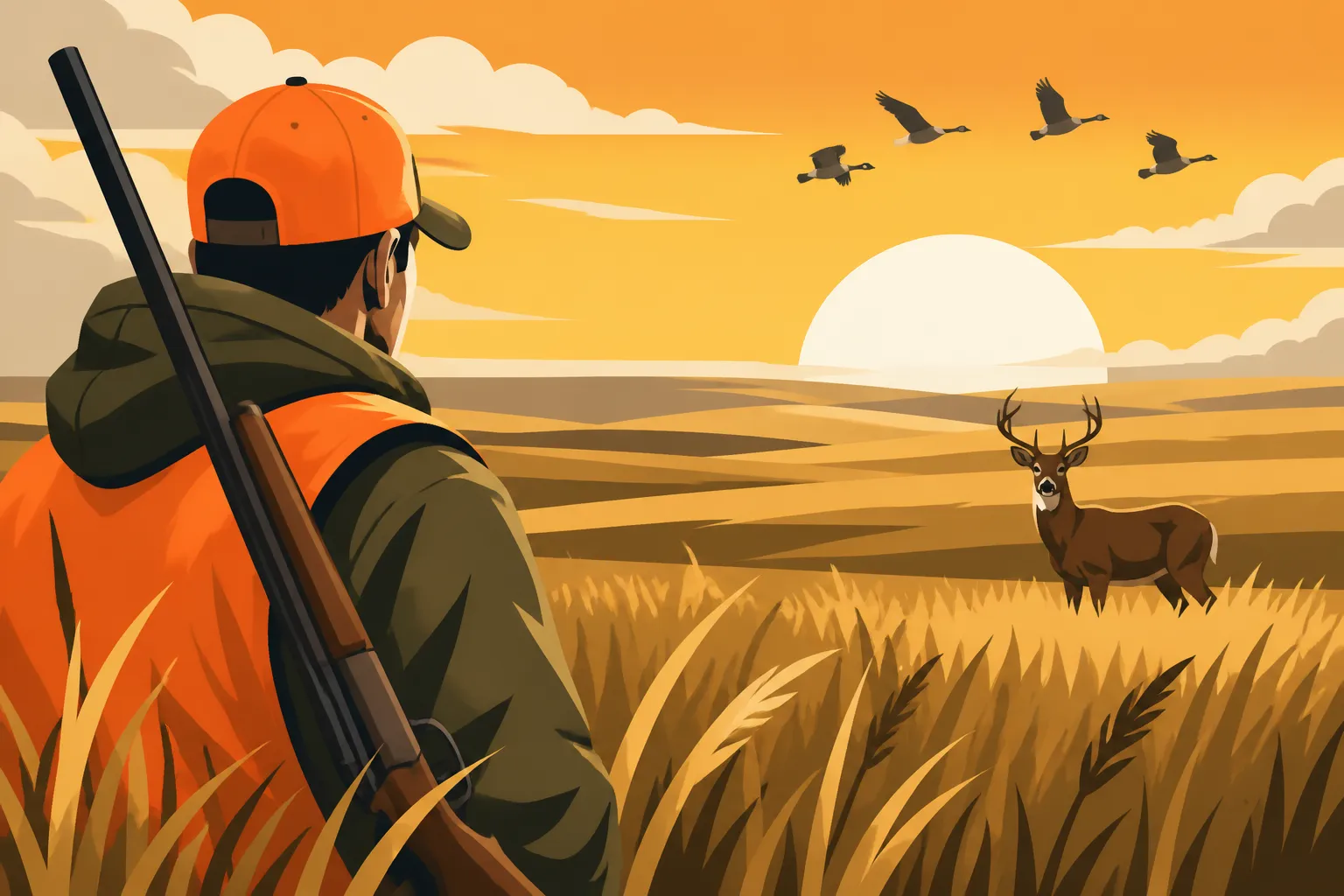
Always check the current regulations for the exact blaze orange requirements for the species and season you are hunting. Even when not legally required (e.g., during archery seasons or for some predator hunting), many hunters choose to wear blaze orange for added safety, especially if hunting in a group or in areas of higher human activity. In a vast, undulating landscape, it's easy for hunters to lose track of each other or to mistake movement at a distance. Donning bright colours is a simple, effective way to prevent accidents.
Respecting Landowner Rights and Trespass Laws
This point cannot be stressed enough for prairie hunting: respect for landowners and adherence to trespass laws are paramount. As mentioned, permission is legally required to hunt on private land. This means even if you see a game animal on private land from a public road, you cannot pursue it without prior consent. Shooting across a public road onto private land without permission is also illegal.
Saskatchewan's posted land signs are another important aspect. Landowners can post their property as "No Hunting," "No Trespassing," or "Hunt on Foot Only." It is your responsibility to understand and abide by these signs. Disregarding them can lead to charges, fines, and forfeiture of equipment. Always err on the side of caution; if you're unsure about land status or access, don't hunt there. Building positive relationships with landowners through respectful conduct and asking permission benefits all hunters in the long run. Saskatchewan Landowner Permission Law lays out the critical guidelines you must follow.
Regional Hotspots and Unique Hunting Experiences
Saskatchewan's southern prairie isn't a monolith; it features several distinct regions, each offering unique challenges and opportunities. Knowing these hotspots can help tailor your hunting plans.
The Cypress Hills Uplands
Nestled in the southwest corner of the province, the Cypress Hills are a true anomaly on the prairie—a forested plateau rising dramatically from the surrounding plains. This area, including the Cypress Hills Interprovincial Park (where hunting rules vary, often with specific regulations or no hunting in certain areas) and surrounding Crown and private lands, offers a diverse ecosystem. Here, you can find mule deer and whitetails, often in good numbers, as well as elk in specific areas. The rolling, treed hills and coulees provide excellent cover.
Hunting in the Cypress Hills often combines prairie spot-and-stalk tactics with more traditional still hunting in the timbered areas. The elevation changes make for great glassing points, and the mixed habitat supports a healthy population of game. The key here is understanding the complex land designations, as park boundaries, Crown land, and private holdings are interwoven. For a prairie hunt with a touch of varied terrain, the Cypress Hills are a must-consider destination. Hunting the Cypress Hills Uplands is a unique experience within the prairie context.
The Great Sand Hills
East of the Cypress Hills lies the majestic and somewhat mystical Great Sand Hills, a vast expanse of shifting dunes, stabilized grasslands, and willow bluffs. This truly unique landscape is home to pronghorn, mule deer, and a surprising number of whitetails that thrive in the pockets of cover the dunes provide. The Sand Hills are largely Crown land, offering significant public access, though getting around can be a challenge.
Hunting here demands a keen sense of navigation and an understanding of how game uses the unique topography. Pronghorn might be found out in the open flats between dunes, while mule deer and whitetails will stick to the willow bottoms and brushy draws within the dune systems. Vehicle access can be limited to perimeter trails, often requiring significant walking. This is a tough hunt, but the solitude and raw beauty of the landscape, combined with the chance for a unique trophy, make it incredibly rewarding. Hunting the Great Sand Hills Dunes is an adventure unlike any other.
The Qu'Appelle Valley and Missouri Coteau
Running roughly east-west across southern Saskatchewan, the Qu'Appelle River Valley is a deeply incised glacial meltwater channel that offers a dramatic break in the prairie landscape. Its steep slopes, bluffs of aspen and oak, and riverine habitat create a linear oasis for wildlife. Whitetails are abundant here, often growing large due to the excellent cover and proximity to agricultural fields on the valley rim. Mule deer can also be found in certain sections.
Further south and west, the Missouri Coteau is a range of rolling hills and undulating terrain, characterized by numerous sloughs and potholes. This region provides fantastic habitat for whitetails, especially around the countless small bodies of water and the accompanying willow and aspen rings. It also supports good populations of upland birds. Hunting these areas often involves still hunting the valley slopes or strategically placing stands along draws and field edges. Both regions require a good understanding of terrain to predict game movement and plan effective approaches. Hunting the Qu'Appelle Valley Coulees or Hunting the Missouri Coteau Hills can be incredibly productive, but also physically demanding.
Conservation and the Future of Prairie Hunting
Saskatchewan's southern prairie is a vital landscape for hunting, but like all natural resources, it faces ongoing challenges. Understanding these issues and contributing to conservation efforts ensures that future generations can enjoy these same rich experiences.
The Impact of Habitat Loss and Fragmentation
One of the most significant challenges facing prairie wildlife, and thus prairie hunting, is the ongoing loss and fragmentation of habitat. As agriculture intensifies and urban areas expand, native grasslands are converted to cropland, sloughs are drained, and shelterbelts are removed. This reduces the amount of available cover, food, and breeding grounds for game species, pushing them into smaller, more isolated pockets.
For hunters, this means game can become concentrated in fewer areas, potentially leading to increased pressure. It also means the crucial travel corridors that animals rely on between different habitat types are disrupted. Organizations dedicated to wildlife habitat conservation, such as the Saskatchewan Wildlife Federation, play a crucial role in protecting and restoring these vital lands. Supporting these groups, whether through membership or by purchasing your Saskatchewan's Wildlife Habitat Certificate with your licence, directly contributes to securing hunting opportunities for the future.
Chronic Wasting Disease (CWD) on the Prairie
Chronic Wasting Disease (CWD) is a neurological disease affecting deer, elk, and moose. It is present in Saskatchewan's deer populations, particularly in some southern prairie zones. CWD is a serious concern for wildlife managers and hunters alike, as it can have long-term impacts on herd health and population numbers.
Hunters in affected WMZs are often required to submit heads for CWD testing. Even in non-mandatory zones, voluntary testing is highly encouraged. Understanding the disease, knowing which zones are affected, and following carcass transport regulations are essential steps for hunters to help manage its spread. Always check the latest provincial hunting guide for current CWD testing requirements and information on how to submit samples. While the thought of CWD can be alarming, responsible hunting practices are key to monitoring and mitigating its effects. Saskatchewan's CWD Testing Rules are in place for a reason and require every hunter's cooperation.
The Role of Responsible Hunting and Landowner Relations
The future of hunting on the southern prairie relies heavily on the ethical conduct of individual hunters and the relationships they build with landowners. Every time a hunter disregards trespass laws, leaves gates open, or disrespects private property, it jeopardizes access for everyone else. Conversely, courteous behavior, asking for permission, respecting posted signs, and even offering a helping hand can foster positive relationships and open up more hunting opportunities.
Being a responsible hunter also means knowing your limits, making ethical shots, and minimizing waste. It means respecting the game you pursue and the land you hunt on. By practicing sound conservation ethics, staying informed about regulations, and actively contributing to habitat protection, hunters are not just participants in a pastime; they are stewards of the landscape, ensuring that the vast, wild beauty and the challenging hunting experiences of Saskatchewan's southern prairie endure for generations to come.
Disclaimer
This article is for general informational purposes only and does not constitute professional advice. Laws, prices and regulations vary by location and change over time. Consult a qualified professional for guidance on your specific situation.