Hunting Guides and Outfitters in Saskatchewan
One of the biggest hurdles for any hunter, especially those new to Saskatchewan or coming from out of province, is navigating the complexities of hunting regulations, securing prime hunting ground, and simply putting themselves in the best position for success. It can feel overwhelming, like trying to assemble a 1,000-piece puzzle without the picture on the box. This comprehensive guide is designed to demystify the world of hunting guides and outfitters in Saskatchewan, explaining their vital role, what to expect from a guided experience, and how to choose the right professional to help you achieve your hunting dreams.
The Role of Outfitters in Saskatchewan Hunting
For many, especially non-residents, outfitters aren't just a luxury; they're a necessity. Saskatchewan's hunting landscape, with its vast tracts of private land, challenging Crown land access, and specific regulations, can be a daunting maze. Outfitters step in as your local experts, streamlining the entire hunting process and often making otherwise impossible hunts a reality. They are the keyholders to some of the most sought-after hunting experiences our province has to offer.
The Non-Resident Requirement
Perhaps the most significant reason many hunters look to outfitters is the legal requirement for non-residents. If you're coming from outside Saskatchewan, particularly from another country, you simply cannot hunt big game in the province without contracting the services of a licensed outfitter. This isn't just a suggestion; it's a hard and fast rule, enshrined in our provincial hunting regulations. The only exception often applies to certain game bird species, but even then, understanding the nuances of those regulations can be tricky. Why Non-Residents Need an Outfitter goes into more detail about this.
This regulation ensures that non-resident hunters contribute to the local economy through licensed operators and that hunting pressure is managed responsibly. For the non-resident, it means peace of mind, knowing that your hunt is fully legal and compliant. It also guarantees access to expertise and areas that would be incredibly difficult, if not impossible, to arrange on your own. It's an investment in a legitimate and well-supported hunting experience, rather than risking an illegal hunt.
Expertise and Local Knowledge
Even for Saskatchewan residents, especially those looking to hunt a new species or region, the local expertise an outfitter provides is invaluable. These professionals spend countless hours scouting, monitoring game movements, and understanding the specific habits of animals in their operating areas. They know the land intimately – where the whitetails bed in that thick bush, which coulees the mule deer prefer, or where the geese are consistently feeding.
An outfitter's local knowledge isn't just about knowing where to find game; it's also about knowing when and how. They understand the subtle shifts in animal behaviour due to weather, crop rotations, or rutting phases. They've seen it all, from early season archery to the deep cold of late November rifle hunts. This accumulated wisdom dramatically increases your chances of success, turning a hopeful trip into a highly strategic and informed hunt.
Logistics and Time Savings
Think about everything involved in planning a hunting trip: securing permission, scouting, setting up blinds, obtaining licences, arranging accommodation, cooking meals, and then the actual hunting itself. For many working individuals or those with limited time off, organizing all of this can be a second full-time job. This is where an outfitter truly shines, taking on the monumental task of logistics.
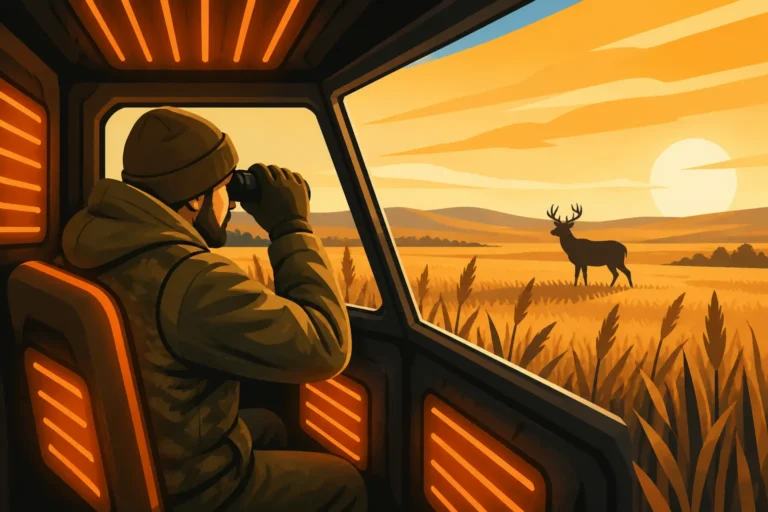
They handle the complicated process of licence acquisition for non-residents, often provide top-notch hunting equipment like heated blinds or well-maintained quads, and coordinate all the daily movements. For a busy hunter, this frees up precious time to focus on the actual hunt and the camaraderie of camp life, rather than being bogged down by planning minutiae. It transforms a potential headache into a seamless, enjoyable experience. Planning a Saskatchewan Hunting Trip further elaborates on the many moving parts of such an adventure.
What a Saskatchewan Guided Hunt Typically Includes
When you book a guided hunt in Saskatchewan, you're not just paying for access to land; you're investing in an entire experience. While packages can vary significantly between outfitters and species, there are core components that most reputable operations include, designed to make your hunt as comfortable, productive, and memorable as possible.
Accommodation and Meals
One of the biggest perks of an outfitted hunt is often the full-service camp experience. You'll typically find comfortable lodging, ranging from cozy cabins with wood stoves in the forest fringe to modern lodges with all the amenities on the prairie. These camps become your home away from home, providing a warm, dry place to rest after a long day in the field, often with hot showers and comfortable beds.
Beyond a place to sleep, outfitters almost always provide hearty meals. We're talking about delicious, home-cooked food that fuels you for those early mornings and late evenings. From full breakfasts before dawn to packed lunches for your blind, and satisfying dinners in the evening, you won't go hungry. This eliminates the need to plan your own groceries, cook your own food, or find restaurants in remote areas, allowing you to truly unwind and focus on the hunt.
Guiding Services and Equipment
The core of any guided hunt is, of course, the guide themselves. These are seasoned professionals who know their territory, the game, and the best strategies to employ. They will accompany you in the field, position you strategically in stands or blinds, assist with tracking, and offer advice on shot placement. Their goal is your success and safety. The number of hunters per guide (e.g., 1-on-1 or 2-on-1) can affect the cost and level of personalized attention, so clarify this when booking.
Many outfitters also provide essential equipment. This might include fully enclosed, heated blinds for those cold November days, comfortable treestands, ATVs or side-by-sides for transportation to remote spots, and even calls or rattling antlers if applicable to your hunt. While you're always responsible for your personal hunting gear, optics, and rifle/bow, the outfitter's provided equipment often gives you a significant edge and adds to your comfort.
Game Care and Transport
Once you've successfully harvested an animal, the outfitter's service doesn't end. A crucial part of their offering is assistance with game retrieval, field dressing, and transport back to camp. Hauling a heavy animal out of a remote bush block or across a muddy field is hard work, and having experienced help is invaluable. They'll ensure the animal is properly field dressed to preserve the meat quality, especially in varying Saskatchewan temperatures. Meat Care in Saskatchewan's Cold Snaps is vital knowledge.
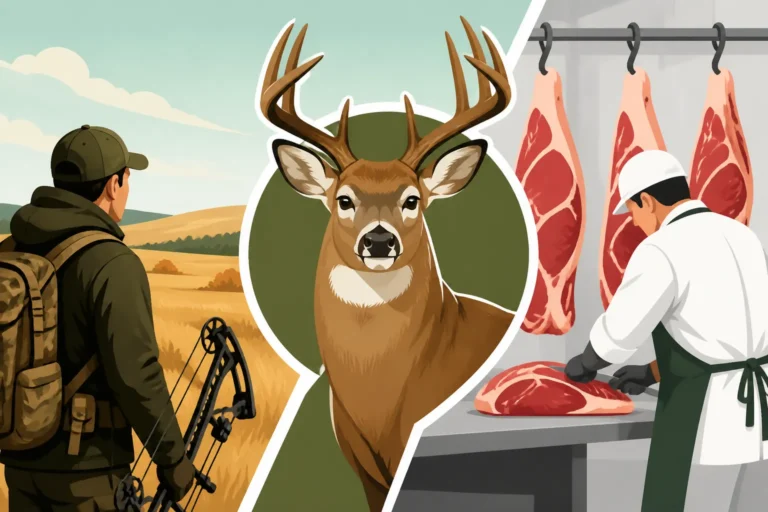
At camp, most outfitters have facilities for initial caping and quartering. They'll assist in preparing your trophy for the taxidermist, whether it's a shoulder mount or a European skull mount. They can also connect you with local meat processors for cutting and wrapping services, and help arrange shipping for your meat or trophy back home. This comprehensive game care takes a huge logistical burden off your shoulders, ensuring your hard-earned trophy and meat are handled correctly.
Navigating the World of Outfitter Licensing and Allocations
Understanding the regulatory framework that governs Saskatchewan outfitters is critical, both for the outfitter themselves and for you, the hunter. It speaks to the legitimacy of the operation and ensures that hunting opportunities are managed sustainably across the province.
Outfitter Licences and Operating Areas
In Saskatchewan, every outfitter must hold a valid provincial licence to operate. This isn't just a piece of paper; it signifies that they meet specific standards and are authorized to conduct guided hunts within designated areas. These areas are often tied to specific Wildlife Management Zones (WMZs), ensuring that outfitters operate within defined boundaries and don't over-pressurize local game populations.
It's absolutely within your right, and frankly, a smart move, to verify an outfitter's licence status. Reputable outfitters will be transparent about their licensing and will often display their licence number. This helps to protect you from potential illegal operations. Saskatchewan Outfitter Licensing and Allocations covers this in detail, but suffice it to say, if an outfitter is cagey about their licence, that's a red flag.
Big Game Allocations and Opportunity
Saskatchewan manages its big game populations through a system of allocations for outfitters. This means outfitters are granted a specific number of tags for certain species within their operating zones. For example, an outfitter in the forest fringe might receive a set number of non-resident whitetail tags, while one on the prairie might have mule deer tags. These allocations are carefully controlled by the provincial government to ensure sustainable harvest levels.
This allocation system directly impacts the availability of hunts. Popular species like trophy whitetails often have limited outfitter tags, which contributes to their higher demand and earlier booking schedules. If you're looking for a specific species, it's essential to understand that an outfitter's available tags are finite. This is why booking well in advance, sometimes a year or more, is often necessary for highly sought-after hunts. How Outfitter Allocations Work Here explains the mechanics of this system.
Non-Resident Game Bird Licence Changes
Historically, non-residents had simpler access to Saskatchewan's phenomenal waterfowl and upland bird hunting. However, regulatory changes have been implemented to better manage pressure and ensure resident opportunities. For non-residents, there are now specific restrictions on how many days you can hunt game birds and often a requirement to book through an approved outfitter or guide for certain periods or areas.
These changes mean that even for a game bird hunt, you might benefit greatly from an outfitter who understands the latest rules and can provide compliant access and services. They often have established relationships with landowners and know the best fields for geese and ducks, or where the sharptails are holding. This ensures your bird hunt is legal and productive within the updated regulatory landscape. It's always best to check current regulations or consult with a licensed outfitter to understand the latest rules for Non-Resident Game Bird Licence Changes.
How to Choose the Right Saskatchewan Outfitter for You
Selecting an outfitter is a big decision, especially given the investment involved. It's not just about finding an outfitter, but finding the right one that aligns with your expectations, hunting style, and budget. Just like picking a vehicle, there are many options, and what works for one hunter might not be ideal for another.
Researching and Vetting Outfitters
The first step in choosing an outfitter is thorough research. Start by identifying the species and region you're most interested in. Websites like BookYourHunt are excellent resources, compiling listings of numerous outfitters and often including reviews and detailed package descriptions. You can filter by species, location, and even services offered, giving you a broad overview of options. Similarly, platforms like GoHunt might offer additional scouting tools or regional insights that can inform your decision.
Once you have a shortlist, dive deeper. Check their official website, look for their presence on social media, and read reviews on independent forums and specialized hunting travel sites. Pay attention to consistency in positive feedback and how the outfitter responds to any negative comments. Ask for references—actual past clients you can call to discuss their experience. These conversations are invaluable for getting an unfiltered perspective on what to expect.
Understanding Hunt Packages and Pricing
Outfitter packages vary widely in what they include and, consequently, their cost. Some are all-inclusive, covering everything from airport pickup to trophy preparation, while others might be more à la carte. Always get a clear, itemized breakdown of what is and isn't included. Is accommodation part of the deal? Are meals provided? What about guide services, field transportation, and initial game processing? Are licences and taxes extra? What a Saskatchewan Guided Whitetail Hunt Costs or Saskatchewan Black Bear Hunt Prices can give you an idea of what to expect for different species, but always verify with the specific outfitter.
It’s important to understand the typical structure:
- Deposit: Most require a non-refundable deposit to secure your booking, usually a percentage of the total cost.
- Balance: The remainder is typically due shortly before or upon arrival at camp.
- Additional Costs: Be prepared for potential extras like CWD testing fees, shipping for your trophy/meat, taxidermy, or personal expenses.
- Taxes: Clarify if local sales taxes are included in the quoted price.
A good outfitter will be transparent about all costs upfront. Be wary of any operation that seems to have hidden fees or is unclear about their pricing structure.
Tipping and Camp Etiquette
Tipping your guide and camp staff is customary in the outfitting industry, much like in hospitality. It's a way to show your appreciation for their hard work, dedication, and the service they provide. While not mandatory, it is highly expected and can significantly supplement their income. The amount can vary, but a common range for guides is often a percentage of the hunt cost, with a smaller amount for camp staff (cooks, cleaners). How Much to Tip a Saskatchewan Guide is a great resource to understand general expectations.
Beyond tipping, practicing good camp etiquette is crucial. Remember, you're a guest in their home and workplace. Respect quiet hours, keep your gear organized, and be a team player. Follow your guide's instructions implicitly, especially regarding safety and hunting ethics. A positive attitude, even if the hunting is slow, goes a long way. Building a good rapport with your guide and fellow hunters can make the entire experience much more enjoyable.
| Aspect | Considerations | Red Flags |
|---|---|---|
| Licensing | Verify current, valid provincial licence. | Refusal to show licence, vague answers. |
| References | Ask for recent clients (within last 1-2 years) to call. | No references, or only very old ones. |
| Inclusions | Get a detailed, written list of what's included (meals, lodging, transport, guide). | Vague package descriptions, unexpected "add-on" fees. |
| Price | Understand total cost, deposits, balance due, and tax implications. | Unusually low prices, cash-only payments, no clear payment schedule. |
| Communication | Responsive, clear, and professional communication. | Slow responses, evasive answers, unprofessional language. |
| Reputation | Check online reviews (BookYourHunt, forums), social media presence. | Many negative reviews, no online presence, or overly polished/fake ones. |
| Ethics | Discuss hunting ethics, wounded game policy, and trophy handling. | Dismissive attitude towards ethics, promises of "guaranteed" kills. |
Planning Your Saskatchewan Outfitted Hunt
Once you've chosen your outfitter, the real planning begins. This phase is about coordinating logistics, ensuring you have all the necessary permits, and physically preparing yourself for the demands of the hunt. A well-planned trip minimizes stress and maximizes your enjoyment.
Booking Timeline and Deposits
For popular hunts, especially trophy whitetail or prime rut dates, booking can happen more than a year in advance. Elite outfitters often have limited spots and fill up quickly. Many hunters book their next hunt immediately after completing one if they had a good experience. Be prepared to pay a non-refundable deposit to secure your dates. This deposit typically ranges from 25% to 50% of the total hunt cost. Booking a Saskatchewan Hunt a Year Ahead is not uncommon advice.
Always read the outfitter's cancellation policy thoroughly before paying any deposit. Understand what happens if you need to cancel, if the outfitter cancels, or if unforeseen circumstances like extreme weather affect the hunt. Some outfitters offer hunt cancellation insurance, which can be a wise investment, especially for high-value trips.
Travel, Firearms, and Border Crossings
If you're flying in, major airports like Saskatoon (YXE) or Regina (YQR) are your main entry points. From there, your outfitter may offer pick-up service, or you might need to arrange your own ground transportation. Be sure to coordinate all travel details well in advance.
Bringing firearms into Canada as a non-resident requires specific documentation. You'll need to complete a Non-Resident Firearm Declaration Form (RCMP 5589) in triplicate, which acts as a temporary licence and registration. There's a fee associated with this, and you declare it to a Canada Border Services Agency (CBSA) officer upon entry. Ammunition limits also apply. If you prefer not to travel with your own rifle, some outfitters offer rental options. Crossing the Border With a Rifle and Declaring a Firearm at the Canadian Border are excellent resources to ensure a smooth entry.
Preparing for Your Hunt
Physical preparation is key, even for hunts that might involve a lot of blind sitting. You never know when you'll need to track an animal through challenging terrain, climb into a treestand, or help retrieve game. Being in reasonable physical condition will enhance your experience and safety.
Beyond physical fitness, practice with your chosen weapon. Whether it's a rifle, shotgun, or bow, ensure you are proficient and comfortable shooting at various distances and from different positions you might encounter in the field. Practice shooting in the clothing you intend to wear, as heavy layers can affect your form. Discuss ethical shooting distances with your outfitter and adhere to them.
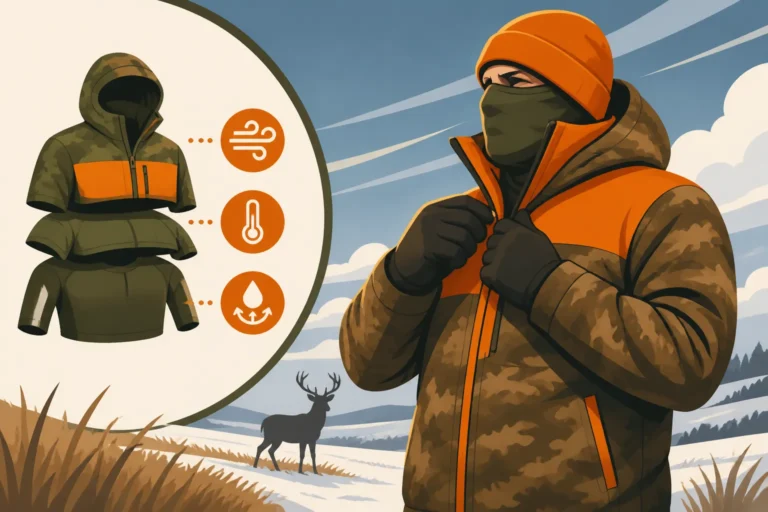
Finally, pack appropriately for Saskatchewan's variable weather. Early fall hunts can be mild, but by November, temperatures can plummet, with bitter winds and significant snowfall. Layers are essential. Good quality, insulated, waterproof boots are critical for sitting still in cold conditions. Don't forget essentials like a good headlamp, a reliable knife, and personal first-aid supplies. Dressing for Saskatchewan's November Cold will save you a lot of discomfort.
Specialized Guided Hunt Experiences
Saskatchewan is a hunter's paradise, offering a diverse array of big game and bird hunting opportunities. Outfitters often specialize in certain species or regions, honing their craft to provide top-tier experiences for specific types of hunts.
Whitetail and Mule Deer Hunts
Saskatchewan is world-renowned for its trophy whitetail deer, particularly the giant bucks found in the forest fringe. Outfitters specializing in whitetails often operate in these transitional zones where heavy cover meets agricultural fields, creating ideal habitat for big deer. Many employ heated ground blinds or comfortable treestands over prime travel corridors, food sources, or bait sites (where legal and ethical). Whitetail Hunting in Saskatchewan is a very popular choice.
Mule deer hunts are typically concentrated in the southern prairie regions, where their habitat includes coulees, badlands, and rolling grasslands. These hunts often involve more spot-and-stalk tactics, requiring keen glassing skills and patience. Outfitters here excel at locating deer in vast open landscapes and guiding hunters on strategic stalks. Mule Deer Hunting Saskatchewan's Prairie offers a different challenge.
Black Bear and Moose Hunts
For those seeking an exciting spring or fall adventure, black bear hunting in Saskatchewan's boreal forest is a prime option. Outfitters typically run established bait sites, which are meticulously maintained to attract bears. Hunters will often sit in ground blinds or elevated stands overlooking these baits, offering close-range opportunities for large colour-phase bears. Baiting Black Bear in Saskatchewan is a common strategy. Spring bear hunts are popular for their generally milder weather and the chance to see bears emerging from hibernation.
Moose hunting, especially for big bulls, is another highly sought-after guided experience. Outfitters in the northern forest and some of the more remote farmland zones cater to moose hunters. These hunts can involve calling during the rut, still-hunting through thick cover, or targeting specific feeding areas. Moose are powerful animals, and tracking and retrieval can be very challenging, making a skilled guide invaluable. Moose Hunting Saskatchewan's Farmland and Forest highlights the different regions.
Waterfowl and Upland Bird Hunts
Saskatchewan is legendary for its waterfowl hunting, serving as a major staging area for millions of ducks and geese during their fall migration. Outfitters specializing in waterfowl offer fully-guided experiences, complete with massive decoy spreads, comfortable blinds (often layout blinds in stubble fields), and expert callers. They scout fields daily to ensure you're in the hottest spots, maximizing your chances at Canada geese, snow geese, specklebellies, and various duck species. Waterfowl Hunting Saskatchewan's Grain Fields is an experience not to be missed.
Upland bird hunting, including sharp-tailed grouse and Hungarian partridge, provides a fast-paced, walk-up experience. While less frequently outfitted exclusively, some operations offer combination hunts or dedicated bird packages. These hunts often involve covering significant ground, sometimes with well-trained bird dogs, across prairie grasslands, field edges, and shelterbelts. Upland Bird Hunting in Saskatchewan offers a different pace and challenge than big game.
Disclaimer
This article is for general informational purposes only and does not constitute professional advice. Laws, prices and regulations vary by location and change over time. Consult a qualified professional for guidance on your specific situation.