Why Non-Residents Must Book an Outfitter
If you're a non-resident hunter dreaming of a Saskatchewan big game adventure, you've likely already encountered the crucial question: "Do I need an outfitter?" The short answer is almost always a resounding yes, and misunderstanding this fundamental rule can quickly turn a dream hunt into a legal nightmare. This comprehensive guide will walk you through the specifics of why non-residents must book a licensed outfitter for big game in Saskatchewan, explaining the legal framework, the practical benefits, and how to navigate the process to ensure a successful and compliant hunting experience.
The Core of Saskatchewan's Non-Resident Hunting Regulations
It's a common frustration for hunters from outside the province, especially those from the United States or other parts of Canada, to discover that their DIY hunting aspirations are curtailed in Saskatchewan. Many assume that if they can secure a licence and find public land, they're good to go. However, for most big game species, Saskatchewan operates under a specific framework designed to manage resources, ensure compliance, and support the province's hunting tourism industry.
Understanding the "Outfitter Requirement"
The "outfitter requirement" for non-resident big game hunters in Saskatchewan isn't just a suggestion; it's a deeply ingrained legal mandate. This rule ensures that non-resident hunters are accompanied and facilitated by a professional, licensed outfitter, who operates under strict provincial guidelines. There are a few key reasons why this rule exists, and understanding them can help manage expectations.
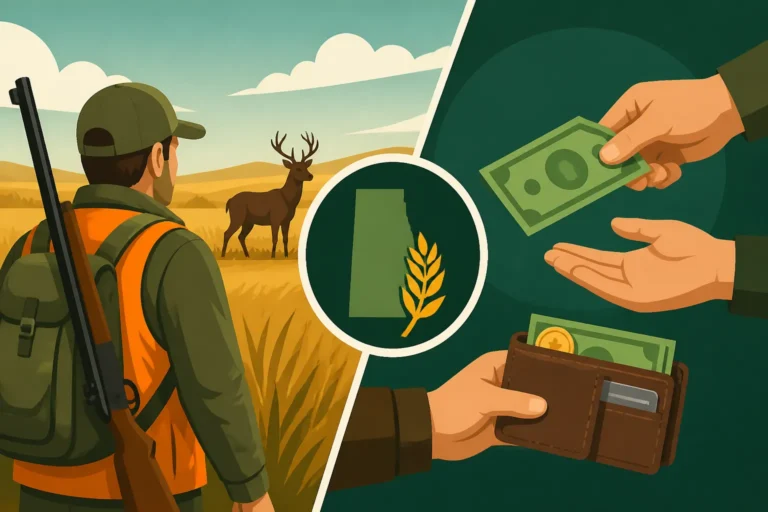
Firstly, it's about resource management and conservation. Saskatchewan boasts some of North America's most sought-after big game animals, particularly its world-class whitetail deer, and managing these populations responsibly is paramount. By channeling non-resident big game hunters through licensed outfitters, the province can better control hunter numbers, distribute pressure, and ensure ethical hunting practices are followed. It helps prevent over-harvesting and maintains the quality of the hunting experience for both residents and visitors. Secondly, there's a significant economic benefit. The outfitting industry is a vital part of Saskatchewan's rural economy, providing jobs and generating revenue that supports conservation efforts and local communities. This structured approach helps ensure a sustainable business model for outfitters while giving non-residents access to a unique hunting opportunity they might not otherwise have. Finally, it provides a level of accountability and safety. Outfitters are knowledgeable about local laws, terrain, and wildlife, helping to ensure a safer and more compliant hunt for visitors who might be unfamiliar with the area or its specific regulations.
Species-Specific Requirements for Non-Residents
This is where the nuances really come into play, and it's essential for non-residents to pay close attention to which species fall under the outfitter-only rule. For all big game species in Saskatchewan—that means whitetail deer, mule deer, moose, elk, and black bear—non-residents are required to book their hunt with a licensed outfitter. There are no exceptions to this rule; you simply cannot purchase a non-resident big game licence and hunt these animals without being guided by a registered outfitter. This is a crucial distinction that often catches aspiring non-resident hunters off guard.
However, the rules are different when it comes to migratory game birds (like ducks, geese, and cranes) and upland game birds (such as sharp-tailed grouse, Hungarian partridge, and ruffed grouse). For these species, non-residents do not necessarily need to book an outfitter. They can purchase a non-resident game bird licence and hunt independently, provided they adhere to the specific season dates, bag limits, and other regulations, including federal migratory bird permits. It's worth noting that Non-Resident Game Bird Licence Changes have occurred, so always check the most current regulations. Even with this flexibility, many non-resident bird hunters still choose to book with an outfitter due to the logistical advantages and expertise they offer, particularly for large-scale waterfowl hunts.
The distinction between Canadian non-residents (from other provinces) and international non-residents (primarily from the United States) is also important, although for big game, the outfitter requirement remains the same for both. For migratory birds, there might be slight differences in licence structure or access, but the core principle holds. Always consult the current Saskatchewan Hunters' and Trappers' Guide for the most up-to-date information.
The Legal Ramifications of Non-Compliance
Let's be blunt: attempting to hunt big game in Saskatchewan as a non-resident without a licensed outfitter is a serious offense, and the consequences can be severe. It's not just a minor infraction; it can lead to significant fines, confiscation of firearms and hunting equipment, and even a ban from hunting in the province, or potentially across Canada, for a number of years. Enforcement officers are well-versed in these regulations and actively patrol hunting areas. They take these rules very seriously, and ignorance of the law is never an acceptable defense.
Imagine spending thousands of dollars on travel, equipment, and anticipation, only to have your hunt abruptly ended by a conservation officer because you didn't understand the outfitter rule. Your rifle could be seized, your vehicle impounded, and you could face court dates and legal fees on top of hefty penalties. Furthermore, if you're hunting with a resident who is aware of your non-resident status and the outfitter requirement, they could also face charges for aiding and abetting an unlawful hunt. It's simply not worth the risk. The only way to legally and ethically pursue big game in Saskatchewan as a non-resident is by booking through a registered and licensed outfitter.
What a Licensed Outfitter Provides Beyond Compliance
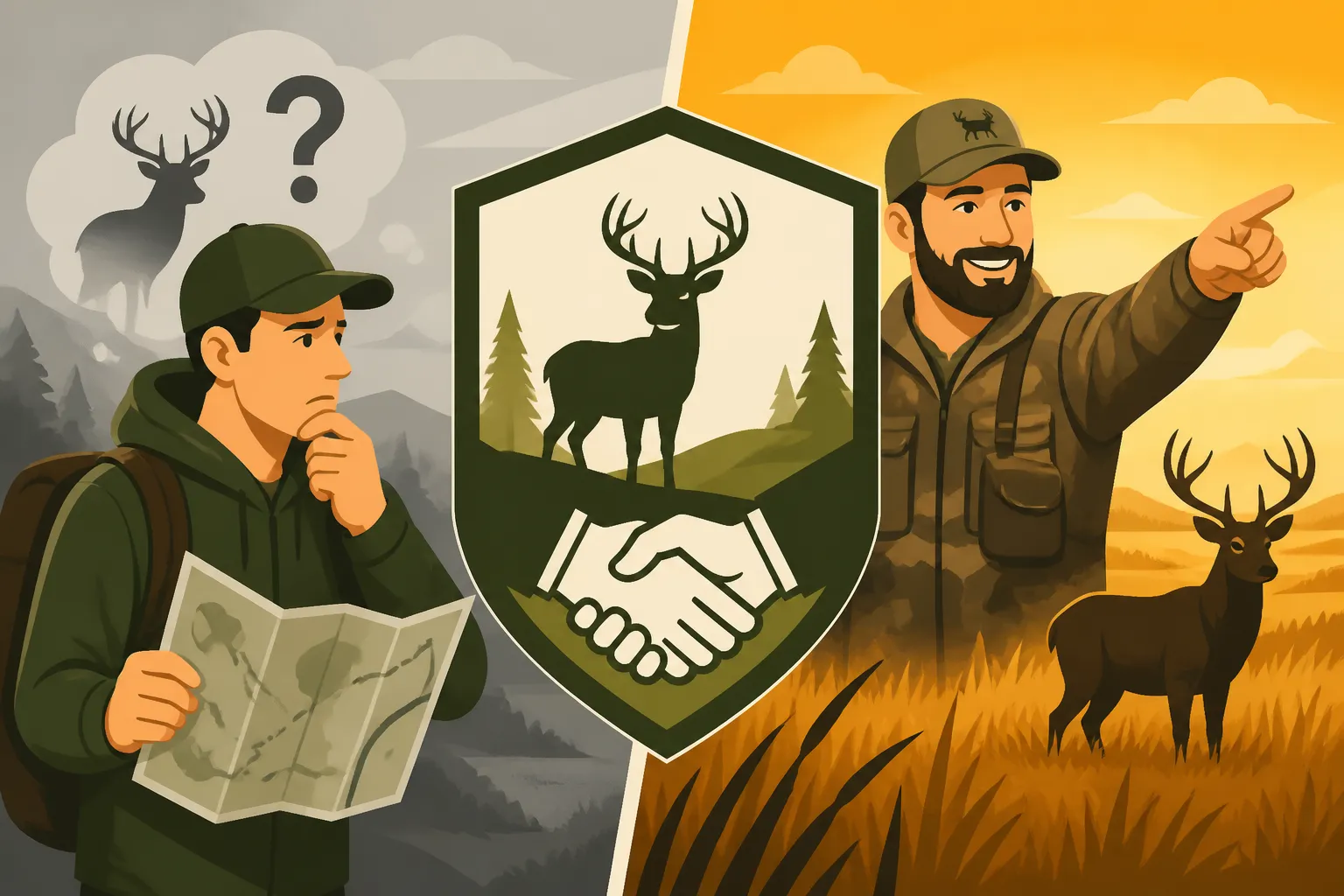
While legal compliance is the primary reason non-residents need an outfitter, the value they bring to a hunting trip extends far beyond simply adhering to the rules. A good outfitter offers an unparalleled level of service, expertise, and access that dramatically enhances the hunting experience and significantly increases your chances of success. Think of them as your local expert, logistician, and camp manager, all rolled into one.
Essential Licensing and Allocation Management
One of the biggest hurdles for non-resident big game hunters in Saskatchewan is navigating the complex licensing and tag allocation system. This isn't like walking into a store and buying an over-the-counter tag in many other jurisdictions. Saskatchewan manages its big game populations carefully, and non-resident tags are often limited and tied directly to outfitter allocations. This means that a specific number of non-resident tags for species like whitetail deer or black bear are assigned to licensed outfitters each year.
When you book with an outfitter, they handle the entire process of securing your specific big game licence. They have the allocations, and they guide you through the necessary steps, ensuring your paperwork is correct and submitted on time. This removes a huge layer of stress and potential error for the non-resident hunter. For some highly sought-after species or specific zones, even with an outfitter, a draw might still be involved. Outfitters are well-versed in Saskatchewan's Big Game Draw procedures and can often advise on zones with better draw odds or help you understand Saskatchewan's Draw Priority Pools. Their knowledge of Saskatchewan Hunting Licences and What They Cost and the various permits required is invaluable. They ensure that by the time you arrive, your legal hunting documents are in order, leaving you free to focus on the hunt itself.
Access to Prime Hunting Lands
Saskatchewan is vast, but finding productive hunting ground, especially for trophy-class animals, can be a challenge for an unfamiliar hunter. This is where outfitters truly shine. Many licensed outfitters have exclusive access to thousands of acres of prime private land through long-standing lease agreements with local landowners. These properties are often carefully managed for wildlife, providing food, cover, and minimal hunting pressure, which is critical for growing large deer and moose. Trying to secure Getting Private Land Permission in Saskatchewan on your own as a non-resident is incredibly difficult, if not impossible, given the existing relationships and the landowner's comfort level.
Beyond private land, outfitters also utilize and have deep knowledge of Public Hunting Land in Saskatchewan within their allocated zones. They know the subtle nuances of these public areas – where the pressure is light, where the animals typically move, and how to access challenging terrain. They've spent countless hours scouting, hanging trail cameras, and understanding game patterns, allowing them to put their clients in the best possible positions. For example, knowing Hunting a Saskatchewan Bush Bluff that consistently holds a mature buck, or understanding how to navigate a Hunting a Willow Run for Whitetails, comes from years of on-the-ground experience that a DIY hunter simply wouldn't have. This access alone is often worth the investment in a guided hunt, guaranteeing you're hunting productive ground rather than simply hoping for the best.
Expert Guidance and Local Knowledge
Imagine venturing into an unfamiliar wilderness, trying to decipher fresh tracks, understand local wind patterns, or predict where a whitetail buck might bed down after a fresh snowfall. This is the daily reality of hunting, and it's exponentially more difficult when you're not on your home turf. A licensed Saskatchewan guide brings a wealth of local knowledge that is simply irreplaceable. They understand the specific habits of the game in their area, whether it's When the Whitetail Rut Peaks Here or What Moose Eat Through the Year.
They can read subtle signs in the environment that an untrained eye would miss—a barely visible rub line, a faint track in the frost, or the way a prevailing wind affects animal movement near a particular creek bottom. They know when to rattle or call, where to set up a blind for optimal wind advantage, and how to approach an animal undetected. Beyond game knowledge, they are intimately familiar with the local terrain and potential hazards, ensuring your safety in what can sometimes be remote and challenging environments. This deep understanding, cultivated over years of experience, is what transforms a hopeful hunt into a strategic pursuit.
The Logistics and Support System of an Outfitted Hunt
Hunting, especially in a new province, involves a lot more than just pulling a trigger. It's a complex dance of travel, accommodation, equipment, and often, extensive physical effort. For non-residents, these logistical challenges can be overwhelming. A reputable outfitter streamlines all of this, handling the details so you can focus on the reason you came: the hunt itself.
Camp Facilities and Accommodations
When you book a Saskatchewan hunt with an outfitter, you're not just buying a tag; you're often investing in a complete experience that includes comfortable accommodations and delicious meals. The range of camp facilities varies widely, from rustic spike camps deep in the boreal forest for a moose hunt to more luxurious lodges with all the amenities for a premier whitetail experience.
Many outfitters provide clean, warm, and comfortable lodging, which might be individual cabins, bunkhouses, or rooms within a main lodge. This typically includes hot showers, comfortable beds, and a place to relax after a long day in the field. Beyond just a roof over your head, most outfitted hunts include hearty, home-cooked meals—breakfast before dawn, a packed lunch for the field, and a satisfying dinner in the evening. This eliminates the need for you to worry about cooking, groceries, or doing dishes, freeing up precious hunting time. When researching an outfitter, it's crucial to ask about the specific accommodations and meals provided. Some may offer basic provisions, while others might boast gourmet chefs; knowing what to expect ensures there are no surprises when you arrive. For a late-season hunt, having Heated Blinds on a Saskatchewan Hunt can make all the difference, and a good outfitter will have these details sorted.
Transportation and Equipment
Getting to Saskatchewan, and then getting to your hunting area, can be a major logistical puzzle for non-residents. Outfitters typically provide assistance, if not direct service, for transportation. For those flying in, many outfitters offer airport pickup and drop-off services from major hubs like Saskatoon or Regina, saving you the hassle and expense of renting a vehicle and navigating unfamiliar roads. This is a huge benefit, especially if you're traveling with firearms. You might want to review Flying Into Saskatoon or Regina for a Hunt to understand the typical logistics.
Once at camp, transportation to and from hunting spots is entirely handled by the outfitter and guides. This could involve 4×4 trucks, ATVs, Argos, or even boats, depending on the terrain and the species you're pursuing. They'll have the right vehicles for navigating rough bush trails, accessing remote cutlines, or crossing challenging terrain that would be impossible in a standard rental car. Moreover, reputable outfitters will have all the necessary specialized equipment for the hunt itself: quality ground blinds, ladder stands, climbing sticks, or even tree saddles depending on their method. They'll also have game recovery equipment, first aid supplies, and communication devices for emergencies. This eliminates the need for you to haul bulky gear, ensuring you have reliable and appropriate tools for the hunt.
Game Care and Trophy Handling
The moment of truth arrives, and you've successfully harvested an animal. Now what? For many non-residents, especially those unfamiliar with large game animals or remote conditions, the process of field dressing, skinning, caping, and preserving the meat and trophy can be daunting. This is another area where outfitters provide invaluable service.
Your guides will expertly field dress your animal, often in challenging conditions, and then transport it back to camp. At camp, they typically have dedicated facilities for processing, including skinning racks, cool rooms, and freezers. They'll meticulously cape your trophy for taxidermy, ensuring the cape is properly handled and frozen, and prepare the meat for transport. They understand the nuances of Saskatchewan's CWD Testing Rules and can guide you through the mandatory submission process if your animal is harvested in a designated zone. They also assist with all the paperwork required for Taking a Trophy Across the Border or arranging for local meat processing and Shipping Meat Home From Saskatchewan. This comprehensive game care ensures that your hard-earned trophy and valuable meat are handled correctly from the moment the animal is down until it's ready for its journey home.
Navigating the Outfitter Selection Process
With the mandatory outfitter requirement for non-resident big game hunters, choosing the right outfitter is perhaps the most critical decision you'll make. This isn't a casual booking; it's an investment in your hunting experience, and doing your homework is essential. There are many excellent outfitters in Saskatchewan, but like any industry, due diligence is key to finding the perfect fit for your hunting aspirations.
Researching and Vetting Potential Outfitters
The internet has made researching outfitters easier than ever, but it also means wading through a lot of information. Start by exploring reputable online platforms that specialize in connecting hunters with outfitters, such as BookYourHunt or GoHunt. These platforms often feature detailed profiles, photos, and verified reviews from past clients, giving you a valuable starting point. You can filter by species, region, price, and even specific amenities, helping you narrow down the field to outfitters that align with your preferences.
Once you have a shortlist, dive deeper. Look for outfitters who specialize in the species you want to hunt. A whitetail outfitter might have different expertise than a bear outfitter. Check their websites for detailed information about their operations, camp facilities, and hunting areas. Most importantly, don't shy away from asking for references. A reputable outfitter will be happy to provide contact information for past clients whom you can speak with directly. Ask these references about their overall experience, the guide's professionalism, the quality of the camp, and whether the hunt met their expectations. Finally, verify that the outfitter is properly licensed with the province. You can often check this through provincial hunting authorities or relevant outfitter associations, ensuring you're dealing with a legitimate operation. Understanding Saskatchewan Outfitter Licensing and Allocations is key to vetting.
Key Questions to Ask Before Booking
When you've identified a few promising outfitters, it's time to get on the phone or send detailed emails. Don't be afraid to ask tough questions; this is your investment. Start with practicalities: What are the exact dates of the hunt? What's the hunter-to-guide ratio (e.g., one-on-one, two-on-one)? What are the typical shot distances for the species you're pursuing? What kind of stands or blinds do they use?
Delve into the financial details: What is the total cost, and what exactly is included (meals, lodging, guides, field care, transportation from the airport)? Are there any hidden fees, taxes, or additional costs like licence fees or trophy export permits? What are the Saskatchewan Deposit and Cancellation Terms? What happens if you don't fill your tag? While no ethical outfitter can guarantee a kill, they should be transparent about Success Rates on Saskatchewan Whitetail Hunts and what factors influence them. Ask about their contingency plans for bad weather or unexpected events. Discuss your physical capabilities and expectations openly to ensure the outfitter can accommodate you. The more questions you ask upfront, the fewer surprises you'll encounter down the road.
Understanding Costs and Inclusions
The cost of a guided hunt in Saskatchewan can vary significantly depending on the species, duration, camp amenities, and guide-to-hunter ratio. For example, a premier What a Saskatchewan Guided Whitetail Hunt Costs in a highly sought-after zone might be different from Saskatchewan Black Bear Hunt Prices for a spring bear hunt. It's crucial to get a clear, itemized breakdown of what your package includes.
Typically, an all-inclusive package will cover guiding services, accommodation, meals, and in-field transportation. However, it's common for certain items to be excluded. These often include your hunting licence fees, provincial and federal taxes, meat processing costs beyond basic field care, taxidermy, alcohol, and gratuities for your guide and camp staff. Speaking of gratuities, understanding proper etiquette for Tipping a Saskatchewan Guide is important. While not mandatory, it's a customary way to show appreciation for excellent service, and your outfitter can usually give you an idea of typical percentages. Always clarify these exclusions and factor them into your overall budget to avoid any unwelcome financial surprises during or after your trip.
Distinguishing Between Big Game and Bird Hunting for Non-Residents
While the overall theme of this guide is the mandatory outfitter requirement for non-resident big game hunting in Saskatchewan, it's critical to reiterate the distinction for bird hunters. The rules, and therefore the planning, are quite different depending on whether you're chasing antlers or feathers.
Big Game: The Strict Outfitter Requirement
To be absolutely clear: if you are a non-resident and your goal is to hunt whitetail deer, mule deer, moose, elk, or black bear in Saskatchewan, you must book your trip through a licensed Saskatchewan outfitter. There is no alternative legal pathway. This is not a suggestion; it is a fundamental provincial regulation. The province allocates specific non-resident big game tags to licensed outfitters. Without an outfitter, you simply cannot legally obtain a tag for these species.
This system is designed to provide controlled access to Saskatchewan's renowned big game hunting opportunities for non-residents while supporting the professional outfitting industry and ensuring sustainable wildlife management. Even if you're targeting a species that requires participation in Saskatchewan's Big Game Draw, your outfitter will often facilitate this process or inform you of how their allocated tags work in conjunction with draw results. This structure ensures that resources are managed effectively and that the quality of hunting remains high for everyone.
Waterfowl and Upland Birds: More Flexibility, Still Recommended
In stark contrast to big game, non-residents do not legally require an outfitter to hunt migratory game birds (ducks, geese, cranes) or upland game birds (grouse, partridge) in Saskatchewan. As a non-resident, you can purchase the necessary provincial game bird licence (and a federal migratory game bird permit if applicable) and hunt independently. However, there are still specific regulations to follow, particularly concerning the limited number of hunting days allowed for non-residents on a bird licence and specific zones where certain access rules might apply. You must be very familiar with Saskatchewan Game Bird Seasons and Limits and any Non-Resident Game Bird Licence Changes.
Despite the legal flexibility, a significant number of non-resident bird hunters still choose to book with an outfitter, and for very good reason. Saskatchewan is world-famous for its incredible waterfowl hunting, with millions of birds staging in the province's grain fields and potholes during migration. Attempting to self-guide a top-tier waterfowl hunt here involves monumental logistics: scouting vast tracts of private land for permission, securing thousands of decoys, specialized blinds, and calling expertise. An outfitter already has the permissions, the equipment (often tens of thousands of dollars worth of decoys, specialized trailers, and blinds), and the daily scouting intelligence to put you on the birds. For example, being able to consistently find and get permission for Field Hunting Geese in Saskatchewan Stubble is an art form an outfitter has mastered. The same applies to upland birds; while you can walk up grouse or Huns on your own, an outfitter often has access to prime habitat and guides with pointing dogs, dramatically increasing your success and enjoyment.
The Value Proposition for Bird Hunters
So, if it's not legally mandated, why pay for a bird hunting outfitter? The value proposition for non-resident bird hunters is immense, particularly if you have limited time and want to maximize your success and experience. Firstly, outfitters provide unparalleled access. They've spent years cultivating relationships with landowners, securing permission to hunt the best fields and potholes, which can be nearly impossible for a self-guided non-resident. This means you spend less time knocking on doors or searching maps and more time hunting.
Secondly, they handle all the heavy lifting. Imagine setting out a spread of hundreds, if not thousands, of decoys before dawn in freezing temperatures. An outfitter's crew does this for you. They provide comfortable blinds, expert calling, and transportation, allowing you to simply show up, hunt, and enjoy the experience. Their daily scouting efforts are relentless, ensuring you're hunting where the birds are, not where you hope they might be. This maximizes your limited hunting days. For hunters seeking a world-class waterfowl experience without the immense logistical burden, a Saskatchewan bird outfitter is a worthwhile investment.
Maximizing Your Saskatchewan Outfitted Hunt Experience
You've done your research, booked with a reputable outfitter, and your Saskatchewan hunt is approaching. Now it's time to prepare to ensure you get the absolute most out of this incredible opportunity. A guided hunt is a partnership, and your preparation and attitude can significantly impact your success and enjoyment.
Preparing for Your Trip
Physical conditioning is often overlooked but can be a game-changer, especially for big game hunts. While many outfitted hunts involve sitting in blinds, you might still need to walk long distances over uneven terrain, climb into stands, or assist with game recovery. Being in reasonably good physical shape will make the experience more enjoyable and less fatiguing. Equally important is shooting practice. Know your rifle or bow intimately, and practice shooting from various positions at different distances you expect to encounter. Your outfitter can advise on typical shot ranges for your chosen species. It's heartbreaking to travel thousands of miles only to miss an opportunity due to a lack of practice.
Equipment checks are also crucial. Ensure your rifle is sighted in, your optics are clean, and your ammunition is reliable. For archery hunters, check all your bow components, arrows, and broadheads. Pay particular attention to your clothing system. Saskatchewan weather, especially during big game seasons, can be notoriously cold and unpredictable. Layering is key, and investing in high-quality, warm, and waterproof outer layers, base layers, and insulation is essential. Understanding Dressing for Saskatchewan's November Cold or selecting the right Boots for Sitting Still in Deep Cold are critical for comfort and endurance. If you're bringing your own firearms from outside Canada, thoroughly research and complete the necessary paperwork for Bringing Firearms Into Saskatchewan well in advance to avoid any issues at the border.
Communication with Your Outfitter
Before, during, and after your hunt, open and honest communication with your outfitter and guides is paramount. Before the trip, clearly communicate your hunting goals and expectations. Are you hoping for any buck, or are you strictly holding out for a trophy? Do you have any physical limitations or medical conditions they should be aware of? Are there specific hunting styles you prefer or dislike? The more information you provide, the better they can tailor the hunt to your preferences and increase your chances of satisfaction.
During the hunt, trust your guide's expertise. They spend hundreds of days in the field and know the area and the animals intimately. Listen to their instructions, ask questions when you don't understand, and provide honest feedback about what you're seeing or feeling. If you're cold, hungry, or need a break, communicate that. They want you to be successful and comfortable. After the hunt, provide constructive feedback, positive or negative, to help them improve their services for future clients.
Embracing the Guided Experience
Finally, remember that a guided hunt is an experience, not just a transaction. While the goal is often to harvest an animal, embrace the journey, the camaraderie, and the unique challenges and triumphs of hunting in Saskatchewan. Trust your guide; they are working tirelessly to put you in a position to succeed. Be patient; hunting often involves long hours of waiting and quiet observation. Weather conditions can change rapidly, and animal movements are unpredictable. Flexibility and adaptability are virtues in the field.
Focus on learning from your guide, soaking in the wilderness experience, and enjoying the process. Even if you don't fill your tag, a well-planned and executed guided hunt should still provide an unforgettable adventure and memories that last a lifetime. Saskatchewan offers some of the finest hunting opportunities on the continent, and by understanding and respecting the outfitter requirement, non-residents can fully immerse themselves in that experience with confidence and compliance.
Disclaimer
This article is for general informational purposes only and does not constitute professional advice. Laws, prices and regulations vary by location and change over time. Consult a qualified professional for guidance on your specific situation.