What a Saskatchewan Guided Deer Hunt Includes
Embarking on a guided deer hunt in Saskatchewan can be the trip of a lifetime, but it's easy to feel overwhelmed by the sheer number of outfitters and packages out there. Many hunters arrive with a vague idea of what their hard-earned money covers, only to be surprised by hidden costs or different expectations once they're in camp. This comprehensive guide is here to unravel the complexities, outlining exactly what you can typically expect a Saskatchewan guided deer hunt to include, helping you plan your adventure with confidence and clarity.
The Core Components of a Guided Deer Hunt Package
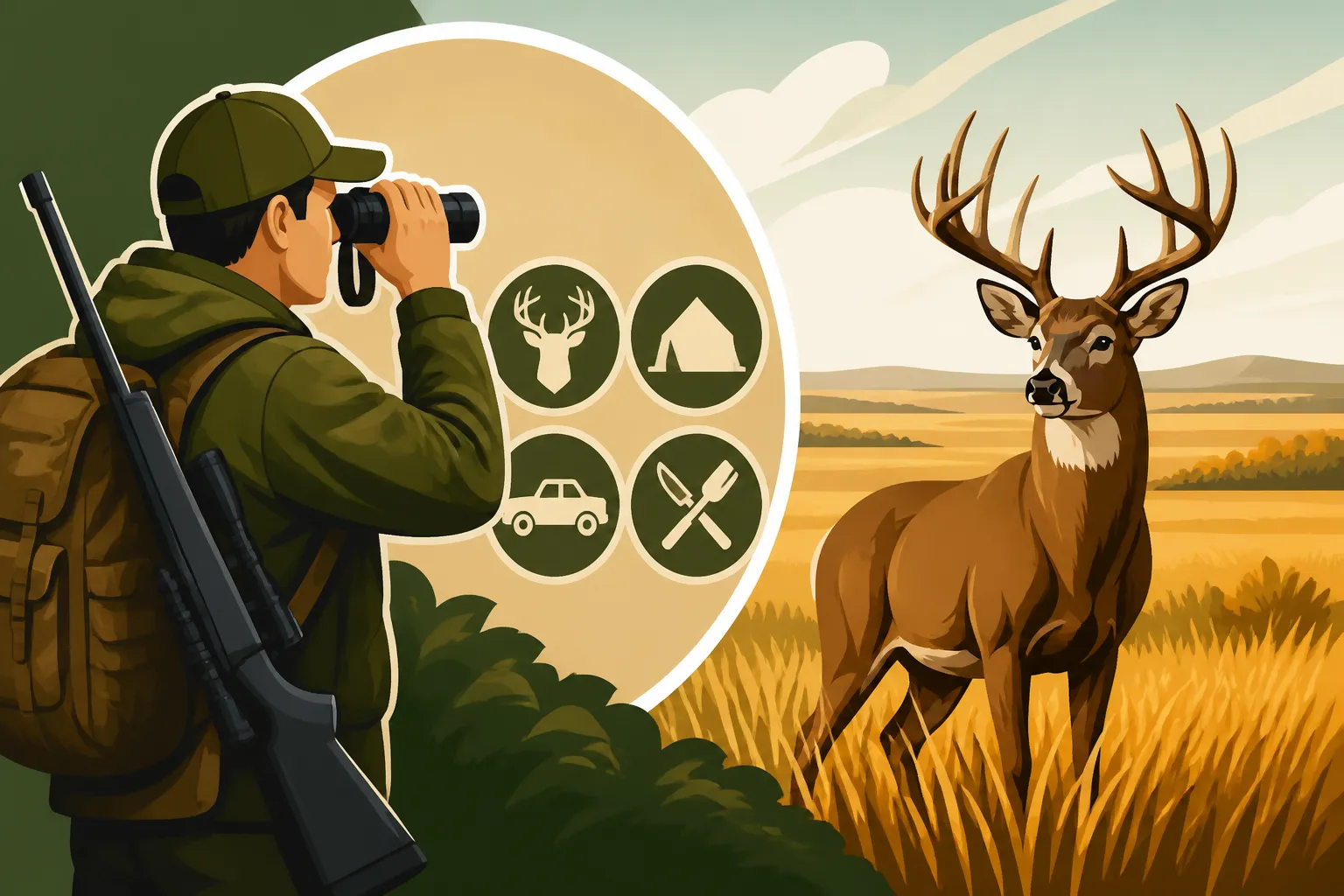
When you book a guided deer hunt in Saskatchewan, you're not just paying for a chance at a trophy; you're investing in an experience that comes with a range of essential services. These core components form the backbone of most reputable outfitter packages, designed to give you the best possible chance at success while ensuring your comfort and safety in the wilds of Saskatchewan.
Licensing and Permits
One of the first things an outfitter often helps with, or at least guides you through, is securing the necessary permits and licenses. This can be a huge relief, especially for non-resident hunters who might find the Canadian and provincial regulations a bit daunting. Typically, your outfitter will provide detailed instructions on how to purchase your Saskatchewan hunting licence and the associated Wildlife Habitat Certificate. They might even help you navigate the process of setting up your HAL (Hunter and Angler Licensing) account online.
However, it's crucial to understand that while they assist with the process, the actual cost of these licences and permits is almost universally not included in your hunt package price. You'll need to budget separately for these fees. For example, a resident deer licence is one cost, but for non-residents, the fees can be significantly higher, often bundled with additional requirements like the Wildlife Habitat Certificate. Your outfitter will clarify what Saskatchewan Hunting Licences and What They Cost and provide links to the official provincial website where you'll make your purchases. They'll also walk you through Setting Up a Saskatchewan HAL Account so you can be ready well in advance of your trip. Don't leave this to the last minute; some licenses, especially those for draw species like moose or elk, require applying months in advance, though deer tags are often over-the-counter for residents or allocated to outfitters for non-residents.
Accommodation and Meals
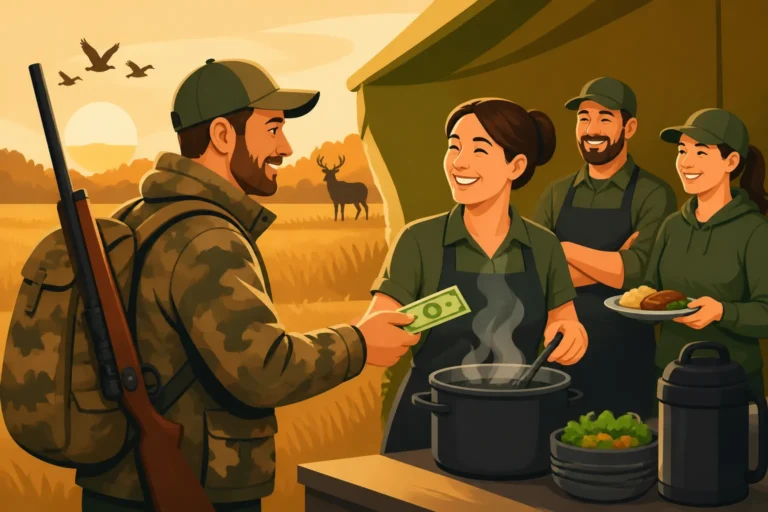
After long days in the field, a comfortable place to rest and a hearty meal are non-negotiable. Most guided deer hunt packages include both accommodation and meals. The style of accommodation can vary widely, from rustic, comfortable cabins nestled deep in the bush to modern lodges with all the amenities you'd expect back home. Some outfitters might offer heated wall tents or even motel-style rooms in a nearby town, especially if they operate on the fringes of settled areas. It's always a good idea to clarify the exact type of lodging when booking.
The meals provided are usually plentiful and designed to fuel a strenuous hunting schedule. Expect home-cooked, hearty fare — think generous breakfasts to start your day, packed lunches to take to your stand or blind, and delicious dinners shared with your guides and fellow hunters, complete with desserts. Coffee and non-alcoholic beverages are typically included. If you have specific dietary restrictions or allergies, it’s imperative to communicate these well in advance to your outfitter. Most are more than willing to accommodate, but they need proper notice to plan. This communal aspect of dining often becomes a highlight of the trip, offering a chance to swap stories and strategies. Learn more about the different types of setups in Saskatchewan Hunting Lodges and Camps.
Guiding Services and Field Support
This is arguably the most critical component of any guided hunt. Your guide is your eyes, ears, and often your lifeline in the field. They are intimately familiar with the hunting area, the local deer patterns, and the best strategies for success. The guiding services included typically involve:
- Pre-Scouting: Reputable outfitters and their guides will have spent considerable time before your arrival scouting the hunting areas, setting up stands or blinds, and monitoring deer activity. They know where the big bucks are moving.
- Daily Transport: Getting you to and from your hunting location each day is a standard part of the service. This could involve truck rides, ATV or UTV travel, or even short boat trips if hunting along a river system.
- In-Field Assistance: Your guide will advise you on stand placement, shot angles, and game identification. They'll help you track and retrieve your deer once it's down. Their expertise is invaluable, especially in unfamiliar terrain.
- One-on-One vs. Two-on-One: Most packages specify whether you'll have a dedicated one-on-one guide or if two hunters will share one guide. One-on-one offers more personalized attention, but two-on-one can be more cost-effective. Clarify this when you book.
The guide's role is to put you in the best position for a shot, but ultimately, taking that shot is up to you. Their knowledge of the land, weather patterns, and deer behaviour is what you're truly paying for. Understanding What a Guide Fee Actually Covers can help you appreciate the depth of their service beyond simply driving you to a stand.
Gear, Equipment, and In-Field Necessities
Beyond the basics of where you sleep and what you eat, a guided hunt provides crucial equipment and logistical support necessary for the actual act of hunting. This helps standardize the experience and ensures you have access to the right tools for the job in unfamiliar territory.
Blinds, Stands, and Hunting Setups
A significant part of a Saskatchewan guided deer hunt package includes the provision and placement of blinds, treestands, or ground blinds. These are often strategically placed well in advance of the season, considering prevailing winds, deer travel corridors, and feeding or bedding areas. Outfitters invest heavily in quality setups to enhance your chances and comfort, especially during the colder months.
Many outfitters in Saskatchewan, particularly during the late season, will offer enclosed, heated blinds. This is a huge perk when Hunting Whitetails at Thirty Below and trying to stay warm enough to sit all day. These blinds might have propane heaters, comfortable chairs, and ample space for your gear, making long hours of waiting much more tolerable. For archery hunters or those preferring more traditional methods, well-placed ladder stands or hang-on stands in key pinch points or along field edges will be provided. The guide will typically walk you to your setup each morning and pick you up at the end of the day, ensuring you know exactly where to go and how to safely access your hunting location. This logistical support takes a lot of guesswork out of hunting unfamiliar ground. Explore more about these comfortable setups in Heated Blinds on a Saskatchewan Hunt.
Transportation During the Hunt
Getting around Saskatchewan's diverse hunting landscape, from vast farmlands to dense boreal forest fringe, requires reliable transportation. Your guided hunt package will always include transport to and from your daily hunting spots. This isn't just a convenience; it's a necessity for accessing prime deer habitat that might be miles from the nearest road or main camp.
Depending on the outfitter's concession area and the type of terrain, this could involve different vehicles. In the southern prairie or parkland zones, sturdy 4×4 trucks are common for navigating grid roads and field approaches. When hunting deeper in the bush or through less accessible areas, ATVs or side-by-sides are frequently used to get you closer to your stand. Outfitters operating in the true northern boreal forest might even rely on boats or snowmobiles depending on the season and specific hunting grounds. It’s important to understand these methods, as they dictate how much gear you can comfortably bring with you to your stand each day. For example, some Saskatchewan Zones That Need a Quad for effective hunting might be inaccessible by truck, requiring specialized transport that your outfitter will arrange.
Basic Gear and Emergency Preparedness
While outfitters provide the crucial infrastructure like blinds and transportation, you'll generally be expected to bring all your personal hunting gear. This includes your rifle or bow, ammunition, optics (binoculars, rangefinder), hunting clothing appropriate for the extreme Saskatchewan weather, and personal items.
However, many reputable outfits will have basic emergency gear on hand, both at camp and with the guides in the field. This might include first-aid kits, GPS units, satellite phones or inReach devices for areas without cell service, and sometimes extra survival gear like emergency blankets or fire starters. They'll also typically carry essential tools for field dressing and basic repairs. While you should always carry your own personal emergency kit, knowing your guide is equipped for unexpected situations adds a layer of safety. Discussing safety protocols and what Winter Truck Kit for a Saskatchewan Hunt the outfitter provides (or recommends you carry) is a good practice when booking. A reliable outfitter prioritizes client safety as much as hunting success.
Post-Harvest Services and Game Care
The moment of truth arrives, and you've harvested a deer. What happens next? A guided hunt package extends well beyond the shot, encompassing the crucial steps of game recovery, processing, and trophy care. This is where the outfitter's experience truly shines, ensuring your hard-earned harvest is handled properly and ethically.
Field Dressing and Game Retrieval
Once your deer is down, the guide's work is far from over. Field dressing is an immediate and critical step to preserve the meat, especially in Saskatchewan's often fluctuating temperatures. Your guide will either perform this task for you or assist you, providing instruction and ensuring it's done quickly and cleanly. They'll have the necessary tools and expertise to gut the animal efficiently.
Following field dressing, the next challenge is game retrieval. Deer can drop in thick bush, deep snow, or miles from the nearest road. Your outfitter will have a plan and the equipment to retrieve your animal from even the most challenging terrain. This could involve an ATV, side-by-side, snowmobile, or even a good old-fashioned deer cart and a strong back. Their goal is to get the animal back to camp as quickly and carefully as possible to begin the cooling process. If you’re hunting late in the season, you’ll be especially grateful for the help getting your deer out, particularly if it's a large buck. For more on getting your game out of tough spots, check out Getting a Deer Out on a Frozen Trail.
Meat Processing and Cold Storage
After retrieval and initial field dressing, proper meat care is paramount. A good outfitter understands the importance of cooling the carcass quickly and thoroughly. Most camps will have dedicated facilities for this, whether it's a walk-in cooler, a refrigerated trailer, or a clean, cool hanging shed. Your deer will be hung and allowed to cool down, ensuring the meat ages properly and is ready for further processing.
Some outfitters offer basic butchering services on-site, breaking down the deer into primal cuts, while others will transport your deer to a local professional butcher. The cost of professional butchering is almost always not included in your package and will be an additional expense. It's vital to discuss these options with your outfitter beforehand. They can provide recommendations for local meat processors and coordinate the drop-off. Proper care here means delicious venison for your table. For tips on how this process works in cold climates, read Meat Care in Saskatchewan's Cold Snaps.
Trophy Care and Preparation
For many hunters, the antlers are a prized souvenir. Your outfitter will ensure the cape (hide for a shoulder mount) and antlers are properly cared for. This usually involves skinning out the head, rough caping, and preparing the skull plate for transport. They'll likely have experience with this delicate work, knowing how to make the necessary cuts to ensure a taxidermist can create a beautiful mount.
They can also provide contact information for reputable local taxidermists, or advise on how to prepare your trophy for transport home, especially if you're crossing international borders. Export permits and declarations are often required for antlers and capes, and your outfitter can guide you through this paperwork. Keep in mind that taxidermy services and shipping costs are separate from your hunt package. Understanding the rules for Taking a Trophy Across the Border is crucial for non-resident hunters.
What's Typically Not Included (Hidden Costs to Consider)
While a guided deer hunt package covers a significant amount, it's rare for a package to be truly "all-inclusive." Overlooking what's not included can lead to unexpected expenses and sour an otherwise incredible experience. Being prepared for these additional costs is part of smart trip planning.
Gratuities, Taxes, and Other Fees
One of the most common "hidden" costs, though usually openly discussed by reputable outfitters, are gratuities for your guide and camp staff. Tipping is customary in the service industry, and hunting guides are no exception. A good guide works incredibly hard, often from before dawn until well after dark, to ensure your success and comfort. Typical gratuity rates for guides often range from 10-20% of the hunt cost, depending on the quality of service and your satisfaction. You should also consider a tip for the camp cook and other staff who contribute to your experience.
Beyond tips, you'll need to account for taxes. Most outfitters will add sales tax to the package price, which might not be immediately obvious in an initial quote. Additionally, certain government fees, such as export permits for trophies or potential CITES permits, might be your responsibility. Always clarify the total cost, including all taxes and potential fees, before booking. For a deeper dive into this often-sensitive topic, refer to Tipping a Saskatchewan Guide.
Personal Travel and Pre/Post-Hunt Expenses
Your hunt package almost never covers your travel to and from Saskatchewan. This includes your flights, rental car if needed, and any overnight stays in hotels before or after your hunt in gateway cities like Saskatoon or Regina. If you're flying in, you'll need to budget for airfare for yourself and potentially excess baggage fees for your rifle case and extra gear.
Consider the logistics of getting from the airport to your outfitter's camp. Some outfitters offer airport pickup and drop-off for an additional fee, while others expect you to arrange your own transportation. If you drive, factor in fuel costs, especially if you're coming from a distance. These pre and post-hunt expenses can add up, so factor them into your overall budget. For those flying in, knowing Flying Into Saskatoon or Regina for a Hunt is a good first step in planning this part of your trip.
Specialized Gear and Personal Items
While the outfitter provides the blinds and in-field transportation, the responsibility for your personal hunting gear, optics, and clothing falls squarely on you. This includes:
- Firearm/Bow & Ammunition: Your rifle, shotgun, muzzleloader, or bow, along with sufficient ammunition or arrows.
- Optics: Binoculars, spotting scope (if desired), and a rangefinder.
- Hunting Clothing: Layered clothing appropriate for Saskatchewan's often extreme weather, including scent control garments, warm base layers, insulated outerwear, rain gear, and blaze orange as required by law.
- Footwear: Insulated, waterproof boots suitable for walking in varied terrain and sitting for long periods in the cold.
- Personal Hygiene Items: Toothbrush, medications, etc.
- Miscellaneous: Headlamp, knife, small daypack, hand warmers, camera.
It's absolutely critical to arrive with the right gear. Saskatchewan weather can be unpredictable, ranging from mild fall days to severe winter conditions in November and December. Your outfitter will typically provide a recommended packing list, and it's wise to adhere to it strictly. Trying to scrimp on quality outerwear or footwear will only make your hunt miserable. For a detailed list of what to pack, consult What to Bring to a Saskatchewan Deer Camp.
Choosing an Outfitter and Understanding Contracts
Selecting the right outfitter is paramount to a successful and enjoyable Saskatchewan deer hunt. It’s not just about finding someone with an opening; it’s about finding a reputable professional whose operation aligns with your expectations and hunting style.
Researching and Vetting Outfitters
The internet has made researching outfitters easier than ever, but it also means wading through a lot of information. Start by looking for outfitters specifically licensed to operate in Saskatchewan for deer. Websites like BookYourHunt or GoHunt can be great starting points, offering listings and sometimes even reviews, though always cross-reference. Don't just rely on pretty pictures; dig deeper.
Look for outfitters who are members of professional associations, such as the Saskatchewan Outfitters Association. This often indicates a commitment to professional standards and ethical practices. Pay attention to how long they've been in business and if they specialize in deer hunting specifically. Read reviews, but take them with a grain of salt – a few negative reviews amidst many positive ones might just be a disgruntled client. Contact previous clients for references, especially those who hunted during the same time of year you plan to go. Ask specific questions about their success rates, camp conditions, and guide experience. Ultimately, finding Choosing the Right Saskatchewan Outfitter involves diligent homework and clear communication.
Understanding Package Details and Fine Print
Once you've narrowed down your choices, get a clear, written contract or detailed booking agreement from the outfitter. This document should explicitly outline everything included in your package, the total cost, payment schedule, and crucial policies. Pay close attention to:
- Deposit and Cancellation Policies: What percentage is required as a deposit? Is it refundable? What happens if you need to cancel, or if the outfitter has to cancel due to unforeseen circumstances (e.g., wildfires, extreme weather)?
- Hunt Duration: How many full hunting days are included? Does it include arrival and departure days as hunting days, or are those travel days?
- Guarantees: Be wary of any outfitter who "guarantees" a kill. Hunting is inherently unpredictable. Reputable outfitters guarantee effort, access, and a quality experience, not a trophy on the wall.
- Additional Costs: Ensure all potential additional costs (licenses, taxes, butchering, taxidermy, tips) are clearly itemized or discussed.
Don't hesitate to ask specific questions about anything that's unclear in the contract. This is your investment, and you have every right to understand precisely what you're paying for. A thorough read and understanding of Questions to Ask Before Booking will save you headaches down the line.
Communication Is Key
The best guided hunts are built on open and honest communication between the hunter and the outfitter. Before you commit, and certainly once you've booked, maintain regular contact with your outfitter. Discuss your expectations for the hunt: Are you after a trophy of a lifetime, or primarily focused on filling the freezer? What's your experience level? What are your physical limitations, if any?
Your outfitter should be equally communicative, providing updates on conditions, expected weather, and any changes to the hunt plan. They can also offer advice on physical preparation, shooting practice, and equipment tuning. A good outfitter wants you to succeed and enjoy your trip, and that starts with clear communication from both sides. Don't be afraid to reach out well in advance of your hunt, even during the off-season, to ask questions and build rapport. This proactive approach ensures everyone is on the same page, leading to a much smoother and more enjoyable experience for both you and your guides. Good communication helps, even if you are just checking in on Booking a Saskatchewan Hunt Off-Season.
| Feature Included | Typically Included | Often Excluded (Budget Separately) |
|---|---|---|
| Licensing | Assistance with application process | Actual cost of licences, tags, permits |
| Accommodation | Lodge, cabin, or camp lodging | Pre/post-hunt hotel stays outside camp |
| Meals | Breakfast, lunch (packed), dinner, non-alcoholic drinks | Alcohol, snacks beyond provided, special dietary requests |
| Guiding Services | Professional guide, pre-scouting, in-field advice | Personal gear setup, extensive tracking of wounded game beyond reasonable effort |
| Hunting Setups | Treestands, ground blinds, heated blinds | Personal blind heaters (unless specified) |
| In-Field Transport | To/from hunting areas (trucks, ATVs) | Personal vehicle use during hunt (unless self-guided) |
| Game Retrieval | Assistance getting game from kill site to camp | |
| Meat Care (Initial) | Field dressing, hanging/cooling at camp | Professional butchering costs, custom processing |
| Trophy Care (Initial) | Caping, skull plate prep, initial preservation | Taxidermy services, trophy shipping costs |
| Emergency Services | Basic first aid, communication devices with guides | Personal medical insurance, emergency evacuation costs |
| Other | Sometimes airport pickup/drop-off (check) | Gratuities, sales tax, travel insurance |
Disclaimer
This article is for general informational purposes only and does not constitute professional advice. Laws, prices and regulations vary by location and change over time. Consult a qualified professional for guidance on your specific situation.