White-Tailed Deer, Saskatchewan’s Signature Animal
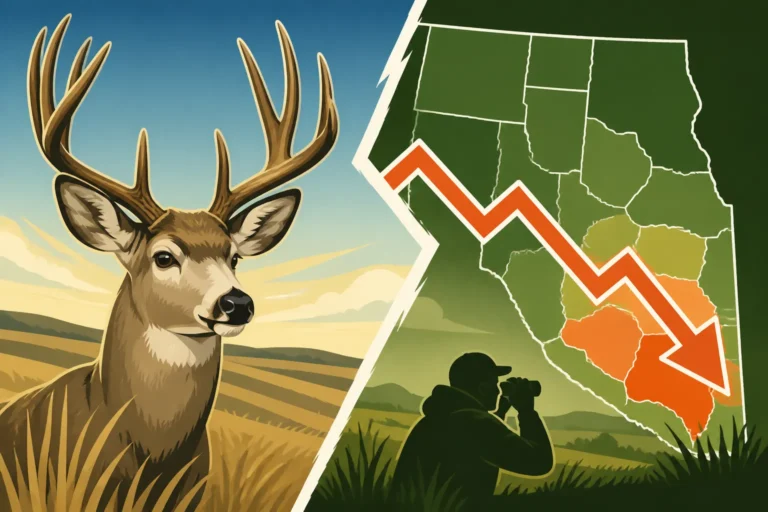
There’s a unique thrill that courses through a hunter’s veins when you mention "Saskatchewan whitetails." It’s more than just a hunt; it's an almost mythical pursuit of an animal renowned worldwide for its size and resilience. Many hunters dream of encountering one of these magnificent creatures, often feeling overwhelmed by the sheer scale of the province and the challenge of understanding their movements and habits. This comprehensive guide will peel back the layers of misconception and provide you with the deep insights and practical knowledge needed to truly understand and successfully pursue white-tailed deer in Saskatchewan, the province’s signature animal.
Why Saskatchewan is a Whitetail Mecca
Saskatchewan holds a legendary status among whitetail hunters, and for very good reason. It’s not just hype; there’s a consistent, undeniable truth behind the tales of monstrous bucks that roam its diverse landscapes. The dream of a truly world-class whitetail often begins and ends right here, on the prairies and in the parklands of this incredible province.
The Legend of Saskatchewan Whitetails
Mention the "Hanson Buck" in any hunting circle, and eyes will light up. This iconic whitetail, taken in Saskatchewan in 1993, remains the world-record typical whitetail, a testament to the unparalleled genetic potential found here. But the Hanson Buck isn't an isolated incident; it's a shining example of what Saskatchewan consistently produces. Year after year, hunters pursue and harvest incredible deer, many of which find their way into the record books. The sheer abundance of mature deer, coupled with the potential for exceptional antler growth, means that every bush, every bluff, and every field edge holds the promise of a true giant. For many, the challenge isn't just to hunt whitetails, but to hunt Saskatchewan whitetails, knowing they are chasing the pinnacle of the species. It’s a reputation earned through decades of big bucks and even bigger stories, making a Whitetail Hunting in Saskatchewan trip a bucket list item for many.
Factors Contributing to Trophy Potential
What exactly makes Saskatchewan such a powerhouse for growing monster whitetails? It's a perfect storm of environmental conditions, genetics, and habitat. Firstly, the genetics in Saskatchewan deer herds are simply phenomenal. These deer have inherited the traits for robust body size and impressive antler development over generations. Secondly, the habitat provides an incredibly rich and diverse diet. The vast agricultural lands offer an almost endless supply of high-protein grains like peas, lentils, and oats, especially in the fall after harvest. This bounty fuels rapid growth and supports the massive body weights and antler mass that are characteristic of Saskatchewan bucks. You might wonder, Why Saskatchewan Bucks Grow So Large? It’s a combination of these factors, along with excellent forage in the forest fringe and ample cover. The long growing season provides deer with an extended period of lush vegetation, while the cold, hard winters tend to favor the strongest, healthiest animals, ensuring a resilient and robust herd. Furthermore, lower hunting pressure in some of the more remote zones allows bucks to reach older age classes, giving them more seasons to develop truly world-class racks.
Understanding Saskatchewan Whitetail Habitat
Saskatchewan is a mosaic of different landscapes, and understanding how these varied environments influence whitetail behavior is crucial for any successful hunt. From dense boreal forests to open prairie, each habitat type presents its own unique challenges and opportunities.
Forest Fringe and Aspen Parkland
The forest fringe and aspen parkland regions are arguably the most iconic whitetail habitats in Saskatchewan, and for good reason. This transitional zone, where the northern boreal forest gradually gives way to agricultural land, is an absolute hotspot for deer. Here, you'll find a perfect blend of everything a whitetail needs: dense cover in the form of aspen bluffs, willow thickets, and spruce stands, interspersed with agricultural fields that provide abundant food. Bucks thrive in this environment, using the thick cover for bedding and security, venturing out into the fields under the cover of darkness or during the twilight hours to feed. The edges of these bush pockets, bluffs, and shelterbelts are prime locations for ambush hunting, as deer frequently travel along them moving between bedding and feeding areas. Understanding how to scout and hunt these edges is key, and many experienced hunters focus their efforts on Hunting the Forest Fringe for Big Bucks. These areas also provide natural funnels and pinch points that concentrate deer movement, making them ideal for strategic stand placement.
Farmland Whitetails
While the forest fringe gets a lot of attention, the expansive farmlands of Saskatchewan are equally, if not more, important for whitetail populations. These deer have adapted incredibly well to an agricultural landscape, using standing crops, swathed fields, and harvested stubble as both food sources and surprisingly effective cover. They’ll often bed down in tall standing canola or corn, disappearing completely from view in what seems like open country. Small bluffs, willow runs, and even unharvested pockets of grain become crucial sanctuaries. Drainage ditches, creek bottoms, and even frozen slough edges serve as travel corridors, offering low-profile routes through otherwise open terrain. Hunters looking for Hunting Whitetails on Saskatchewan Farmland need to be keenly aware of these subtle topographical features and how deer utilize them. Obtaining permission from landowners is paramount when hunting these private lands, as much of this productive farmland is privately owned. Understanding how deer move between these cover pockets and the vast feeding grounds is critical for intercepting them.
Boreal Forest Influence
Further north, as you move deeper into the true boreal forest, the whitetail landscape changes again. Here, deer densities might be lower than in the parkland or farmland, but the bucks that call this rugged country home are often incredibly robust and less pressured. This is big country, characterized by vast tracts of spruce, pine, and poplar, interspersed with muskeg, lakes, and rivers. Whitetails in the boreal rely on natural clearings, burned-over areas, and logging cutblocks for forage, as the dense forest understory can be sparse. Hunting here often means covering more ground, either by still-hunting silently through the timber or by targeting specific features like old logging roads, pipeline rights-of-way, or beaver dam crossings that create natural travel routes. The challenges of navigation, limited access, and remote conditions are significant, but the reward of a truly wild, unpressured boreal buck is immense. These deer are often larger-bodied, a testament to their tough existence.
The Whitetail Lifecycle and Seasonal Behavior
Understanding the annual cycle of a Saskatchewan whitetail is like reading a comprehensive book on their lives. Each season brings new challenges, new behaviors, and new strategies for survival and reproduction. Hunters who grasp these nuances gain a significant edge in the field.
Spring and Summer Patterns
As the harsh Saskatchewan winter recedes, whitetails emerge with renewed vigor. Spring is a time of recovery and growth. Does are typically heavily pregnant and will soon give birth to fawns, usually in late May or early June. They seek out dense, protective cover to hide their vulnerable newborns, often in tall grass, thick bush, or even standing crops. Bucks, meanwhile, are focused on rapid antler growth. The velvet-covered antlers begin to push out, fueled by the rich spring and summer forage. During these months, deer are primarily focused on feeding to build up their body reserves and grow those impressive racks. They often move into open fields, especially during the cooler hours of dawn and dusk, to browse on lush alfalfa, clover, and young grain shoots. Scout during this time by glassing fields from a distance, noting where deer enter and exit, and identifying bachelor groups of bucks. This early season scouting, even without a bow or rifle in hand, is invaluable for understanding how deer utilize the landscape before hunting season opens. Observing a velvet buck in August gives you crucial clues about where he might be come opening day.
Fall Pre-Rut and Rut Dynamics
The transition from late summer to fall brings a noticeable shift in whitetail behavior. As days shorten and temperatures drop, bucks begin to shed their velvet, rub their antlers on trees and bushes, and make scrapes to mark their territory. This is the pre-rut, a period of increasing aggression and dominance displays. Bucks become more active, moving more during daylight hours as they establish their pecking order and search for the first does coming into estrus. As November approaches, the full-blown rut explodes across Saskatchewan. This is when bucks are most vulnerable, their focus shifting almost entirely to breeding. They will cover vast amounts of ground in search of receptive does, often throwing caution to the wind. This period is legendary in Saskatchewan, with hunters eagerly anticipating Hunting Saskatchewan's November Rut. Tactics like rattling, grunting, and even decoying can be incredibly effective during this time. Bucks will respond aggressively to calls, coming in to investigate rivals or search for potential mates. Sitting all day in a stand, particularly during the peak rut, dramatically increases your chances of encountering a cruising buck.
Winter Survival Strategies
Saskatchewan winters are no joke; they are long, brutally cold, and present a significant challenge for whitetails. As snow piles up and temperatures plummet, deer switch their focus entirely to survival. They become far more nocturnal, conserving energy by bedding down in dense thermal cover during the day. This often means "yarding up" in thick spruce or pine stands that offer shelter from the wind and heavy snow. Food sources become scarcer, and deer will rely on browse, leftover agricultural crops, and even bark to sustain themselves. They will often travel along common routes, compacting snow into trails, which can be identified by observant hunters. When Saskatchewan's deep cold sets in, hunting strategies must adapt. Accessing deer yards can be tough, and success often comes from intercepting deer moving between these yarding areas and any available food sources, such as a standing corn or pea field. Knowing Where Saskatchewan Whitetails Bed in Snow is vital to understanding their winter movements and finding success during the late season.
Key Whitetail Hunting Methods in Saskatchewan
Successfully hunting Saskatchewan whitetails often requires a blend of patience, persistence, and the right techniques. The varied landscape demands versatility, and knowing when and where to apply specific methods will dramatically increase your odds.
Stand Hunting Strategies
Stand hunting, whether from a tree stand or a ground blind, is a cornerstone of whitetail hunting in Saskatchewan, especially in the forest fringe and parkland areas. The key to effective stand hunting lies in strategic placement. You need to identify natural travel corridors, funnels, pinch points, and transition areas between bedding and feeding grounds. Look for areas with heavy deer sign: fresh rubs, scrapes, well-worn trails, and droppings. A bush edge where deer move from cover to crop fields is a classic setup. Consider prevailing winds to ensure your scent doesn't spook approaching deer. Setting up along a willow run for whitetails, for instance, can be incredibly productive. Modern mapping tools, like the ones offered by GoHunt, can be invaluable for identifying these features from satellite imagery, allowing you to scout potential stand locations virtually before you even set foot on the ground. Once you've identified a promising spot, invest in quality, comfortable stands or blinds that can withstand Saskatchewan's often harsh weather conditions, especially for those long, cold November sits.
Spot-and-Stalk and Still-Hunting
While stand hunting is popular, there are situations in Saskatchewan where spot-and-stalk or still-hunting can be incredibly effective. Spot-and-stalk is particularly useful in more open farmland or prairie fringe country, where deer might be feeding in large fields, far from traditional treelines. This method involves using high-quality optics to locate deer from a distance, then carefully planning an approach using topography, drainage ditches, and standing crops for concealment. It requires exceptional patience, stealth, and an understanding of wind direction. Still-hunting, on the other hand, is about moving slowly and deliberately through cover, taking a few steps, then pausing to observe and listen. This is a great tactic for hunting Saskatchewan's aspen parkland bluffs, willow thickets, or even the northern boreal forest, where dense cover makes long-range glassing difficult. The goal is to move so slowly and quietly that you essentially "hunt" the cover, catching deer off guard in their bedding areas or as they move casually through their daily routines. Both methods demand a keen eye for detail and the ability to read the landscape.
Rattling and Calling Tactics
The rut in Saskatchewan is an electrifying time for whitetail hunters, and rattling and calling can be incredibly potent tools. Rattling involves mimicking the sound of two bucks fighting, using real antlers or synthetic rattling bags. This can draw in curious bucks looking to assert dominance or investigate a potential rival. Timing is crucial; rattling is generally most effective during the peak of the rut when bucks are actively seeking does and are more aggressive. In open parkland, you might need to use a higher Rattling Volume in Open Parkland to carry the sound further. Grunt calls simulate the sounds a buck makes when trailing a doe or challenging another buck, while doe bleats can attract bucks looking for a receptive female. Understanding the different calls and when to use them is an art form. Some hunters swear by Rattling and Calling Farmland Whitetails, knowing that a well-executed sequence can bring a cruising buck right into their shooting lane. However, it's not a silver bullet; sometimes deer respond by holding up just out of sight, so patience after calling is key.
Challenges and Conservation for Saskatchewan Whitetails
Hunting in Saskatchewan comes with its fair share of challenges, not just in the field but also in understanding the broader ecological landscape. As responsible hunters, we play a vital role in conservation, and staying informed about issues like disease and environmental impacts is crucial.
Chronic Wasting Disease (CWD) and Its Impact
Chronic Wasting Disease (CWD) is a serious concern for Saskatchewan's deer herds, including whitetails. It's a progressive, fatal neurological disease that affects cervids (deer, elk, moose). CWD is present in Saskatchewan, and its prevalence continues to be monitored. The province has implemented mandatory CWD testing in certain Wildlife Management Zones to track its spread and gather data. While there's no evidence CWD can be transmitted to humans, health officials advise against consuming meat from infected animals. Hunters are encouraged to submit heads for testing, particularly in Mandatory CWD Testing Zones, as this data is vital for understanding the disease's distribution. Learning Saskatchewan's CWD Testing Rules is a critical part of being a responsible hunter here. The long-term impact of CWD on whitetail populations is still being studied, but high infection rates in certain areas could potentially lead to localized population declines.
Environmental Factors
Saskatchewan's environment, while often bountiful, can also present significant challenges for whitetail populations. Harsh winters, especially those with prolonged periods of deep snow and extreme cold, can lead to substantial winter kill, particularly among fawns and older, weaker deer. These severe conditions can reduce herd numbers and impact the health of surviving animals. Drought conditions, while less immediately fatal, can also affect deer by reducing the availability of preferred forage and water sources, leading to poorer body condition and potentially smaller antler growth. Wildfires, particularly in the northern boreal fringe, can initially displace deer, but paradoxically, burned areas often regenerate with lush, nutritious forage in subsequent years, creating new prime habitat. Understanding What a Hard Saskatchewan Winter Culls or What Drought Does to Saskatchewan Game gives hunters a more realistic picture of the natural forces at play.
Management and Future Outlook
The management of Saskatchewan's whitetail population is a continuous effort, balancing hunting opportunities with conservation goals. The provincial government, through its wildlife division, sets hunting regulations, season dates, and licence quotas based on population surveys, habitat assessments, and disease monitoring. Resident hunters primarily obtain their Saskatchewan Hunting Licences and What They Cost through the online HAL account system, while non-residents must typically book with an outfitter. Understanding How Saskatchewan's Zones Set Your Season is vital for planning your hunt. Efforts are ongoing to manage habitat, control disease, and ensure sustainable hunting pressure. The future of Saskatchewan whitetails largely depends on continued sound wildlife management practices, responsible hunting, and adaptability in the face of environmental changes. Organizations like the Saskatchewan Wildlife Federation also play a crucial role in advocating for wildlife and habitat conservation, ensuring that the legacy of Saskatchewan whitetails endures for generations to come.
Essential Gear and Preparation for Saskatchewan Whitetail Hunts
Preparing for a Saskatchewan whitetail hunt isn't just about packing a bag; it's about anticipating the unique demands of the environment and ensuring you have the right tools and attire to stay safe, comfortable, and effective in the field.
Clothing and Cold Weather Gear
Saskatchewan weather, especially during the peak whitetail rut in November, can be notoriously unpredictable and brutal. You might start the day at -5°C and end it at -25°C with a biting wind. Layering is not just a suggestion; it's a necessity. Start with a moisture-wicking base layer, add insulating mid-layers like fleece or down, and top it off with a waterproof and windproof outer shell. Pay particular attention to extremities. High-quality insulated boots are non-negotiable for keeping your feet warm, especially when Sitting All Day in a Saskatchewan Blind. Look for boots rated for extreme cold and consider foot warmers. Warm gloves or mittens, a heavy-duty toque or balaclava, and neck gaiters are also critical. Forget cotton; synthetic materials and wool are your best friends as they retain warmth even when damp. Remember to bring enough blaze orange; Saskatchewan Blaze Orange Rules require hunters to wear specific amounts during certain seasons for safety.
Optics and Scouting Tools
In Saskatchewan's vast landscapes, good optics are your best friend. High-quality binoculars (10×42 or 12×50) are essential for scanning field edges, spotting deer in distant bluffs, and picking apart thick cover. A spotting scope can be invaluable for evaluating bucks from long distances, allowing you to assess antler size without spooking the animal. Beyond traditional optics, digital scouting tools have revolutionized how we approach whitetail hunting. GPS units or, more commonly, mapping apps on your smartphone, are indispensable for navigation, marking stand locations, plotting deer sightings, and understanding property boundaries. Applications like GoHunt provide detailed satellite imagery, land ownership overlays, and topographical maps, allowing you to scout from home and make informed decisions in the field. They can help you identify Reading Saskatchewan Crown Land Layers on onX or understand access points, making you far more efficient. Carry extra batteries or a portable charger, as cold weather can quickly drain electronics.
Firearms, Ammunition, and Archery Equipment
Choosing the right weapon for your Saskatchewan whitetail hunt is a critical decision, influenced by personal preference, hunting style, and legal requirements. For rifle hunters, a mid-to-large caliber (e.g., .270, .30-06, .300 Win Mag) is generally recommended, capable of ethically taking down a large-bodied Saskatchewan buck at various ranges. Ensure your rifle is zeroed and practice shooting from realistic field positions. Ammunition should be a high-quality, reliable expanding bullet designed for deer-sized game. Archers need a compound bow or crossbow that meets Bow Draw Weight Rules in Saskatchewan and practice extensively for accuracy. Broadheads should be sharp and designed for clean kills. Muzzleloader hunters also have specific season dates and equipment rules to adhere to. Regardless of your weapon choice, familiarity and proficiency are paramount. Always review the current hunting regulations for specific legal requirements regarding firearms, bows, and ammunition to ensure compliance.
Planning Your Saskatchewan Whitetail Adventure
A successful whitetail hunt in Saskatchewan isn't just about what happens in the field; it begins long before, with meticulous planning and preparation. Understanding the administrative side, from licensing to land access, is just as important as knowing deer behavior.
Licensing and Draw Considerations
Navigating the licensing system in Saskatchewan is a critical first step. All hunters, whether resident or non-resident, must have a valid HAL (Hunter and Angler Licensing) account. This is your digital portal for purchasing licences, applying for draws, and managing your hunter profile. Residents generally have access to over-the-counter whitetail tags, but certain species or zones might require participation in the Big Game Draw. Non-residents, however, face stricter regulations; they are required to hunt through a licensed outfitter for big game species like whitetail. It’s important to understand Rules for Non-Residents Hunting Saskatchewan well in advance. Creating a HAL account online is straightforward, but allow ample time to ensure all your information is correct and to understand the specific deadlines for draw applications. Don't forget the Wildlife Habitat Certificate, which is a mandatory purchase for all hunters and supports crucial habitat conservation efforts across the province.
Understanding Wildlife Management Zones
Saskatchewan is divided into numerous Wildlife Management Zones (WMZs), each with its own specific regulations, season dates, and sometimes, unique draw odds for certain species. Familiarizing yourself with these zones is paramount for planning your hunt. Some zones are primarily agricultural, others are heavily forested, and many are a blend. The type of habitat available in a WMZ will heavily influence deer densities, behavior, and the most effective hunting methods. You can find detailed maps of these zones on the provincial government's website or through advanced hunting apps like GoHunt, which often have WMZ overlays. Take time to study Reading a Saskatchewan WMZ Map Before You Go, paying attention to where public land exists, the primary land use, and access points. Some zones are known for higher whitetail populations, while others might offer a more remote, wilderness experience with lower pressure. Choosing the right zone for your hunting style and expectations is a key part of your strategy.
The Importance of Landowner Permission and Public Access
Unlike some jurisdictions, a significant portion of Saskatchewan's prime whitetail habitat, particularly in the productive parkland and agricultural areas, is privately owned. Therefore, obtaining Getting Private Land Permission in Saskatchewan is often essential for a successful hunt. Always seek explicit permission from the landowner before entering their property. This not only keeps you legal but also fosters positive hunter-landowner relations, which are crucial for the future of hunting. Be courteous, respectful, and offer to help in any way you can. Some landowners may grant access for "hunt on foot only," meaning no ATVs or vehicles. Beyond private land, Saskatchewan offers various forms of public land for hunting, including Crown Land, which is often found in the northern forest and along river systems. There are also Fish and Wildlife Development Fund (FWDF) lands, which are often smaller parcels managed for wildlife habitat and are generally open to foot access. Knowing Hunting a Saskatchewan Quarter Section requires careful mapping and understanding of land boundaries, ensuring you're always on legal hunting ground.
| Aspect of Whitetail Hunting | Forest Fringe / Parkland | Farmland | Boreal Forest |
|---|---|---|---|
| Primary Challenge | Identifying specific travel corridors, pressure from other hunters | Access to private land, lack of obvious cover, long-range shots | Remoteness, lower deer density, difficult terrain |
| Key Habitat Features | Aspen bluffs, willow thickets, bush edges, crop fields, shelterbelts | Large crop fields (peas, canola, corn), sloughs, willow runs, drainage ditches | Spruce/pine forests, muskeg, burns, logging cutblocks, old roads |
| Effective Methods | Stand hunting, rattling/calling, still-hunting along edges | Spot-and-stalk, strategic stand placement on small cover, glassing | Still-hunting, tracking, targeting linear features (cutlines, pipelines) |
| Food Sources | Alfalfa, clover, woody browse, various grains (peas, oats) | Abundant agricultural crops, some native grasses/forbs in untouched areas | Woody browse (willows, aspen saplings), lichens, some berry crops |
| Typical Antler Size | Excellent potential for trophy-class bucks, good nutrition | Excellent potential for trophy-class bucks, high-protein diet | Good potential, often heavy-bodied deer, can be very old |
| Hunting Pressure | Moderate to high in accessible areas, lower in remote blocks | Moderate to high where access is granted, some properties rarely hunted | Generally low, especially away from main access roads |
| Scouting Importance | Critical for identifying movement patterns, bedding/feeding zones | Crucial for identifying subtle cover, obtaining permission, observing field use | Essential for finding deer sign, identifying travel corridors, learning the vast terrain |
Disclaimer
The information provided in this guide is for general knowledge and informational purposes only, and does not constitute legal advice. Hunting regulations, seasons, and licensing requirements in Saskatchewan are subject to change. It is the sole responsibility of every hunter to consult the official Saskatchewan hunting regulations and relevant government publications before planning or undertaking any hunting activity. Always obtain explicit permission before hunting on private land.