Hunting Saskatchewan’s Aspen Parkland
For many hunters, the Aspen Parkland of Saskatchewan represents both an incredible opportunity and a genuine challenge. It's not the wide-open prairie where you can glass for miles, nor is it the dense, impenetrable boreal forest. Instead, you're faced with a patchwork quilt of trembling aspen bluffs, willow-lined sloughs, mixed wood forest fringes, and productive agricultural fields. This unique blend can be frustrating if you don't understand how game animals utilize its diverse offerings, leading to countless hours spent wondering where the animals have vanished to. This comprehensive guide will peel back the layers of this fascinating ecosystem, providing you with the insights and strategies needed to successfully hunt Saskatchewan's Aspen Parkland.
Understanding the Aspen Parkland Ecosystem
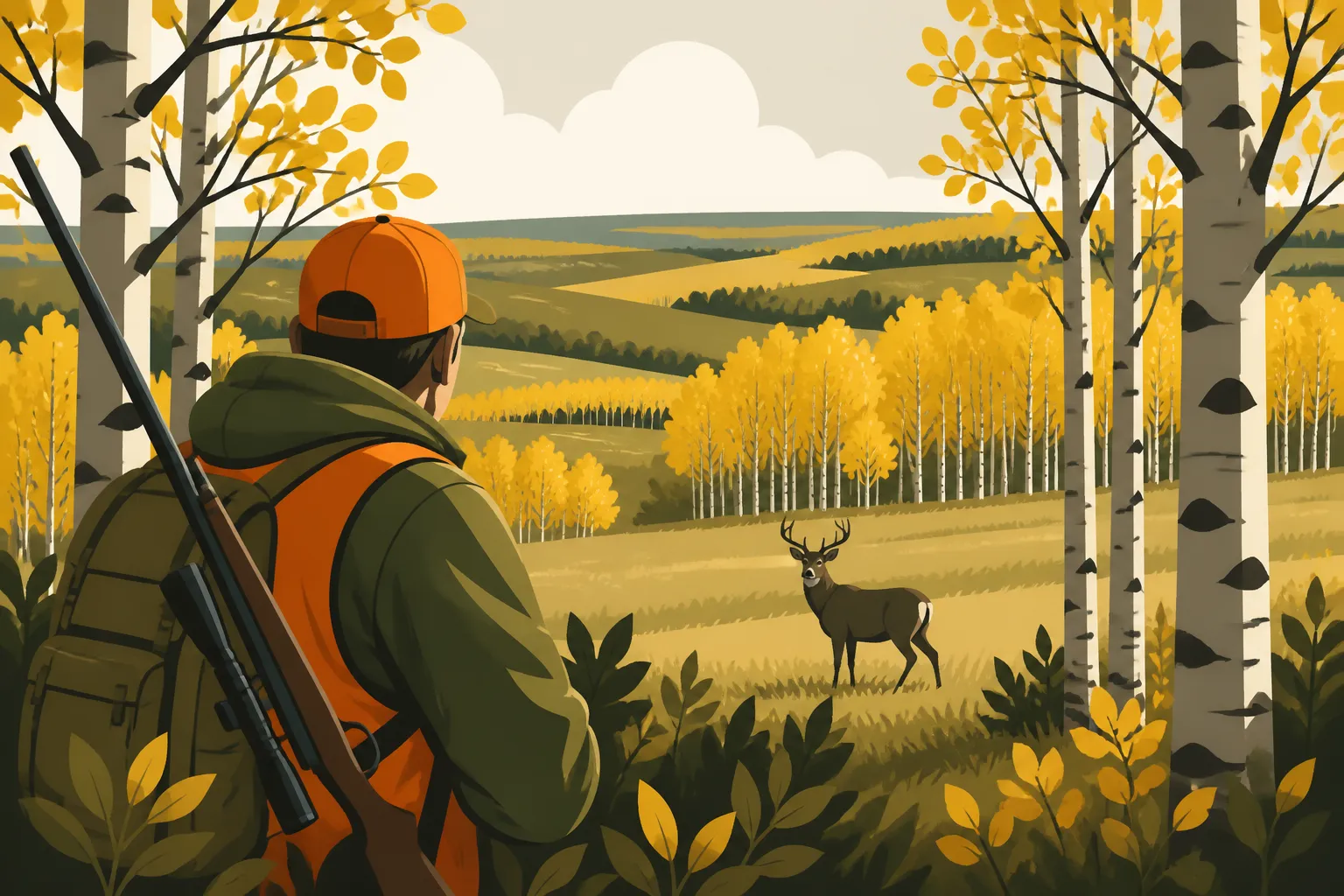
The Aspen Parkland is a truly remarkable zone, a transitional ribbon stretching across central Saskatchewan that straddles the line between the vast northern forest and the open southern prairie. It's a place where two worlds collide, creating an environment incredibly rich in biodiversity and, consequently, teeming with game. If you've ever driven through this part of the province, you'll have noticed the characteristic "bluffs" – groves of trembling aspen, balsam poplar, and willow that dot the landscape, interspersed with cultivated fields and natural grasslands. It's this very mosaic that makes it such a sought-after, yet challenging, hunting destination.
Defining the Transition Zone
What exactly defines the Aspen Parkland? Imagine the sweeping grasslands of the south slowly giving way to isolated pockets of trees, which in turn become more frequent and larger until they merge into the continuous canopy of the boreal forest. That's the parkland. It's a land of edges, where forest meets field, and where dense cover abruptly gives way to open spaces. This creates an incredibly dynamic environment where animals have access to both the high-energy food sources of agriculture and the protective cover of the bush. It's not uncommon to find deer, moose, and elk all utilizing the same quarter section, each species finding its preferred niche within this varied landscape.
This unique mix of habitat types offers everything a diverse wildlife population could need. The treed bluffs provide crucial bedding cover, thermal protection from harsh winters, and security from predators. The willow rings and dense shrubbery around sloughs offer ideal browse and concealment. Then, of course, there are the agricultural fields – vast buffet lines of cereal grains, canola, and legumes that provide an irresistible draw for many species, especially as fall turns to winter. The transition zones, where these different habitat types meet, are often the most productive areas for finding game movement. These are the natural funnels and travel corridors that animals use daily.
The sheer diversity in the Aspen Parkland contributes to not just an abundance of game, but also to the health and size of animals, particularly whitetail deer. They have access to diverse food sources throughout the year, from browse in the bush to nutrient-rich crops in the fields. This constant access to high-quality forage contributes significantly to antler growth and body mass, which is why many of the province's largest bucks are taken from these productive zones. Understanding this intricate relationship between habitat and animal health is the first step to successful hunting here.
The Role of Water and Topography
In the Aspen Parkland, water isn't just a convenience; it's a lifeline that profoundly dictates animal distribution and movement. The landscape is often characterized by countless sloughs, potholes, and small creeks, remnants of glacial activity. These water sources, especially those with surrounding willow and cattail rings, act as critical magnets for all wildlife, particularly during drier periods or in the early season. Deer will bed in the cover adjacent to these wetlands, moose will browse on the willows, and waterfowl will nest and feed within their protective boundaries. Hunting near these water features, particularly those offering a good blend of cover and proximity to food, can be incredibly effective.
The topography, while not as dramatic as mountain ranges, plays a subtle yet significant role in how animals navigate the parkland. You'll find a gentle, rolling landscape with subtle draws, small hills, and depressions. These seemingly minor elevation changes create natural travel corridors and pinch points that animals consistently use. A low draw, for instance, might offer a discreet route for deer moving between a bedding bluff and a feeding field, providing cover from human eyes. Understanding these subtle contours and how they guide animal movement is key to anticipating where game will appear. Hunting a Prairie Coulee Bottom can offer prime ambush points.
Wetlands, especially larger slough systems, are not just water holes but often form complex micro-ecosystems that concentrate game. Areas like those around the Quill Lakes are renowned for their bird life, but the surrounding uplands and bush pockets also hold significant big game. A large slough ring, surrounded by a dense willow and aspen bluff, might serve as a secure bedding area for a mature whitetail buck during the day, before he moves out to a nearby pea or lentil field at dusk. Identifying these key features on a map and then confirming them on the ground is an essential part of scouting in the parkland.
Key Game Species of the Aspen Parkland
The diverse habitat of Saskatchewan's Aspen Parkland supports an impressive array of game species, offering hunters a multitude of opportunities. From the iconic whitetail deer to the elusive moose and even a chance at elk, this region truly has something for everyone. Understanding which species thrive here, and why, is crucial for tailoring your hunting approach and maximizing your chances of success.
Whitetail Deer: The Parkland's Premier Big Game
Without a doubt, the whitetail deer is the king of the Aspen Parkland. This region consistently produces some of the largest-bodied and heaviest-antlered bucks in North America, a testament to the rich food sources and abundant cover available. Saskatchewan’s reputation for giant whitetails is largely built on the backs of the parkland bucks. These deer thrive on the mix of forest edge and agricultural fields, using the dense bush for sanctuary during the day and emerging into the fields to feed under the cover of darkness. The sheer abundance of high-protein crops, combined with genetic potential, makes for truly impressive deer. Why Saskatchewan Bucks Grow So Large is evident here.
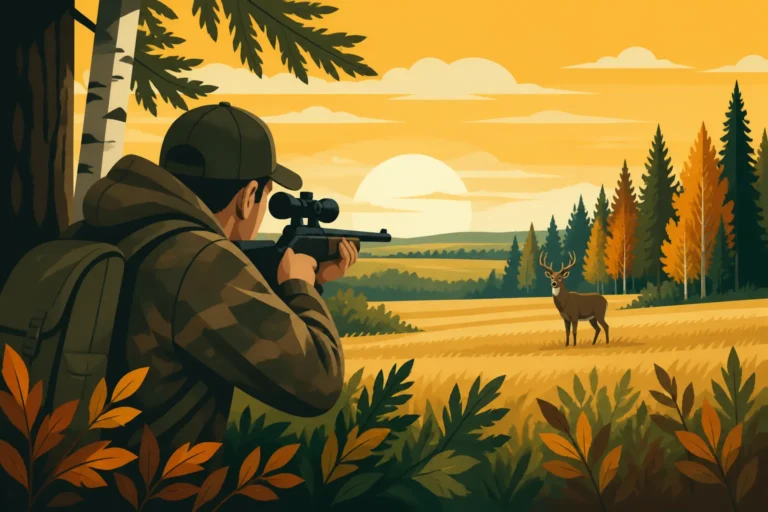
Hunting whitetails in the parkland demands a combination of patience and tactical thinking. You'll often find deer bedding deep within the aspen bluffs, sometimes in thick willow runs or even small islands of trees surrounded by water. They are masters of using the available cover, making them challenging to spot until they are almost on top of you. Their daily routine often involves moving from these bedding areas to agricultural fields at dawn and dusk. This means understanding their travel corridors between the bush and the crop is paramount. Hunting a Poplar Bluff at First Light or a field edge offers classic parkland whitetail opportunities.
While the thick cover can be daunting, it also offers incredible opportunities for hunters who are willing to still-hunt quietly or set up ambush points. The transition lines between bush and field are high-traffic areas, as are the narrow strips of cover, known as "shelterbelts," that farmers plant to protect their fields from wind. These linear strips of trees can act as superhighways for deer moving through otherwise open country. The challenge lies in anticipating where a deer will appear, often in low light conditions, and being ready for a quick shot opportunity before it melts back into the shadows.
Moose and Elk: Growing Opportunities
While whitetails may dominate the discussion, the Aspen Parkland also offers surprisingly strong populations of moose and, in certain zones, growing numbers of elk. Moose, traditionally thought of as denizens of the northern boreal forest, have expanded their range significantly into the parkland. They are perfectly suited to the thick willow bottomlands, slough edges, and dense brush pockets that are prevalent in this transitional zone. You'll find them browsing on willows and other woody vegetation, often in areas that hunters might overlook while focused solely on deer sign. Hunting Farmland Moose Around Saskatchewan Sloughs is a prime example of this expanding opportunity.
Elk, too, are making their presence known in the parkland, particularly in zones with larger continuous tracts of forest or areas adjacent to designated provincial forests, such as the Porcupine Hills or Moose Mountain. These majestic animals often utilize the same combination of dense cover and rich agricultural fields as whitetails, but their larger size means they can cover vast distances quickly. Their presence, however, can sometimes lead to conflicts with landowners due to Elk Damage on Saskatchewan Grain Farms, making them a management priority in some areas. Successful elk hunting in the parkland often involves extensive scouting to locate herds and understanding their patterns of movement between forest and field.
Hunting these larger cervids in the mixed terrain of the parkland presents its own set of challenges. Moose and elk can be incredibly elusive in thick cover, and their ability to disappear silently into dense bush is legendary. Calling can be an effective tactic, especially during the rut, to draw them out of heavy cover. Calling a Bull Moose in the Rut is a thrilling experience, but requires patience and understanding of their vocalizations. For elk, bugling can be equally effective, especially when trying to pinpoint their location in a larger timber block or across a wide valley.
Black Bear and Upland Birds
Beyond the big game, the Aspen Parkland also offers opportunities for black bear and a variety of upland bird species. Black bears thrive in the denser bush pockets and riparian zones that offer both food sources like berries and safe denning locations. While not as numerous as in the deep boreal forest, healthy populations exist, especially in the northern reaches of the parkland. Hunting methods can vary, from spot-and-stalk around berry patches in the fall to hunting over bait in the spring.
The diverse understory and mixed vegetation of the parkland provide ideal habitat for several upland bird species. Walking up sharp-tailed grouse in Saskatchewan's grassland is a classic parkland pursuit, as these birds thrive in the native grasslands and brushy edges. You'll also find Hunting Hungarian Partridge on Saskatchewan Farms along shelterbelts and in stubble fields, offering fast-paced action. Ruffed grouse can be found in the denser aspen bluffs and along bush trails, providing another exciting challenge. The sheer variety of these game birds makes the parkland an excellent destination for those who enjoy mixed-bag hunting, often combining a morning bird hunt with an afternoon big game sit.
The way these different species coexist and utilize the varied parkland habitat is a testament to its ecological richness. A single hunter might encounter deer, moose, grouse, and partridge all within a short walk, highlighting the incredible productivity of this transitional zone. Understanding the specific habitat preferences of each species will allow you to focus your efforts more effectively and appreciate the unique tapestry of life that thrives in Saskatchewan's Aspen Parkland.
Navigating Public and Private Land Challenges
One of the biggest hurdles for hunters in Saskatchewan's Aspen Parkland is navigating the complex mosaic of land ownership. Unlike vast tracts of continuous public land found in some other jurisdictions, the parkland is a checkerboard of private farms, small parcels of Crown land, and designated Fish and Wildlife Development Fund (FWDF) lands. This means that successful hunting here often hinges as much on your ability to secure access as it does on your hunting skills. Ignoring land ownership rules can quickly turn a memorable hunt into a costly legal issue.
Understanding Land Ownership Patterns
The predominant land ownership in the Aspen Parkland is private agricultural land. Farmers and ranchers own the vast majority of the fields, pastures, and many of the aspen bluffs. Interspersed within this private land are smaller, often fragmented, parcels of Crown land. These could be quarter sections (160 acres) that were never allocated for agriculture, or road allowances. Additionally, the Saskatchewan Ministry of Environment manages certain lands as Fish and Wildlife Development Fund (FWDF) lands, which are often specifically acquired or designated for wildlife habitat and public hunting access. This creates a patchwork that can be incredibly confusing without the right tools and knowledge.
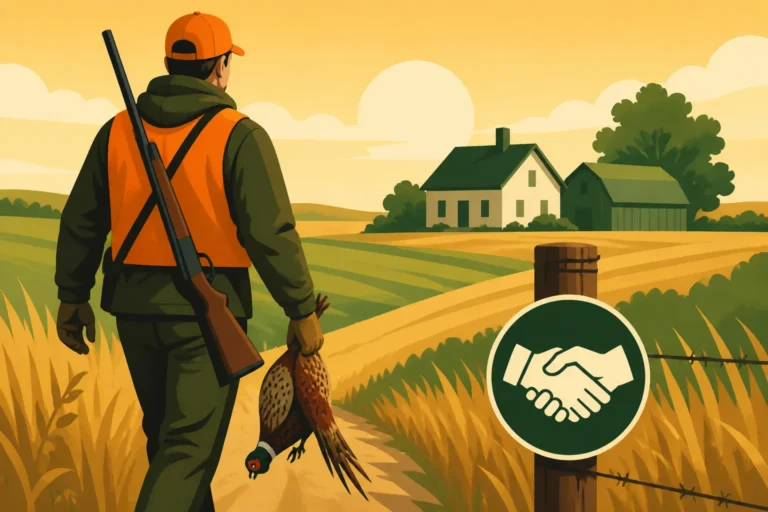
The absolute necessity of landowner permission on private land cannot be overstated. In Saskatchewan, it is illegal to trespass on private land, whether it's posted or not, without the express permission of the landowner or occupant. This means that knocking on doors, introducing yourself, and respectfully requesting permission is not just a polite gesture, it's a legal requirement. Ignoring this rule is a surefire way to jeopardize not only your hunt but also the future access for all hunters. Saskatchewan Landowner Permission Law is a fundamental principle to uphold.
This is where modern mapping tools become indispensable. Apps like onX Hunt have revolutionized how hunters can identify land ownership. These applications overlay property boundaries and landowner names onto satellite imagery, allowing you to instantly see who owns a particular parcel and whether it's private or public. This information is crucial for planning your approach, identifying potential access points, and determining whose door to knock on. While not a replacement for scouting, these tools are invaluable for understanding the complex land tenure of the parkland. GoHunt's mapping features can also be incredibly helpful in this regard, offering detailed overlays that clarify public and private boundaries.
Securing Access: Strategies for Success
Securing access to private land often requires a proactive and respectful approach. The most effective method remains the traditional "knock on doors." Start early, preferably weeks or even months before the season opens. Introduce yourself, state your intentions clearly, and be prepared to be denied. Not every landowner will grant access, and that's their prerogative. However, many are open to responsible hunters, especially if you offer to help with chores or share some of your harvest. Building a good relationship over time can secure you access for years to come. Knocking on Doors in Saskatchewan Farm Country is a skill worth developing.
It's equally important to respect posted land signs and fully understand Saskatchewan's trespass laws. If a property is clearly marked with "No Hunting" or "No Trespassing" signs, those wishes must be honored. Even if you think you see a prime piece of habitat, if it's private and you don't have permission, it's off-limits. Understanding and adhering to Saskatchewan Trespass Law for Hunters protects you from legal trouble and maintains a positive image for the hunting community. Remember, one bad apple can spoil it for everyone.
Fish and Wildlife Development Fund (FWDF) lands offer a fantastic public hunting option in the parkland. These lands are managed by the province for wildlife habitat and public recreation, including hunting, and generally do not require specific permission, though it's always wise to check for any local restrictions. They are often smaller parcels, but strategically located in areas with good cover and proximity to food sources. Using your mapping app to identify these FWDF parcels can open up significant hunting opportunities, providing valuable ground when private access is difficult to obtain.
Community Pastures and Other Public Access
Beyond the general Crown and FWDF lands, Saskatchewan's community pastures present another unique avenue for public hunting. These are large tracts of land, often thousands of acres, that are collectively managed for cattle grazing. There are federal, provincial, and patron (local co-op) pastures, each with slightly different management structures. While primarily for grazing, many of these pastures allow hunting, though you'll almost always need to contact the pasture manager beforehand to understand their specific rules regarding access, vehicle use, and hunting periods. Saskatchewan's Community Pastures and Hunting can be incredibly productive, especially for deer and elk, due to their large size and mix of habitat.
It's vital to understand the specific rules and regulations associated with these community pastures. Vehicle access might be restricted to certain trails or only allowed when dry. Some pastures might close off certain areas during cattle round-ups or at specific times of the year. A quick call to the pasture manager well in advance of your hunt can save you a lot of frustration and ensure you're compliant with all regulations. Always treat these managers with respect, as they are crucial gatekeepers to some excellent hunting opportunities.
Finally, while the concept of "Crown land" exists broadly, it's essential to consult detailed maps from sources like Saskatchewan's hunting guide or mapping apps. Saskatchewan's Wildlife Management Zones (WMZs) categorize different regions, and within each WMZ, the distribution of Crown land can vary wildly. Some zones might have significant blocks of provincial forest or wilderness areas, while others are almost entirely private. A thorough understanding of the land base in your chosen WMZ will inform your scouting efforts and help you prioritize where to focus your land access strategy.
| Land Type | Access Requirement | Typical Use/Benefit | Key Tool for Identification |
|---|---|---|---|
| Private Land | Express landowner/occupant permission REQUIRED | Agricultural fields, private bluffs, prime food sources | onX Hunt, GoHunt, Local Maps |
| Crown Land (General) | Generally accessible, but verify if occupied | Scattered parcels, often smaller, can hold good cover | onX Hunt, Saskatchewan Crown Land Maps |
| FWDF Lands | Generally accessible for public hunting (check rules) | Managed for wildlife, often excellent habitat | Saskatchewan Ministry of Environment Maps, onX Hunt |
| Community Pastures | Contact pasture manager for permission/rules REQUIRED | Large tracts, good for deer, moose, elk | Local municipality, Pasture Managers |
Effective Hunting Strategies for Parkland Terrain
Hunting the Aspen Parkland requires a flexible and adaptable approach. The mixed landscape demands a repertoire of strategies, as what works in a dense bluff might be entirely ineffective along an open field edge. Successful parkland hunters are those who can read the terrain and choose the right tactic for the moment.
Still-Hunting and Spot-and-Stalk
The dense pockets of aspen, willow, and balsam poplar in the parkland are perfect for still-hunting. This involves moving incredibly slowly and deliberately through cover, pausing frequently to scan and listen. The goal isn't to cover ground quickly, but to move quietly enough that you detect game before it detects you. Pay close attention to wind direction, moving into the wind or crosswind to keep your scent from animals. This method is incredibly challenging but also immensely rewarding, often leading to close-range encounters with deer or moose bedded in thickets.
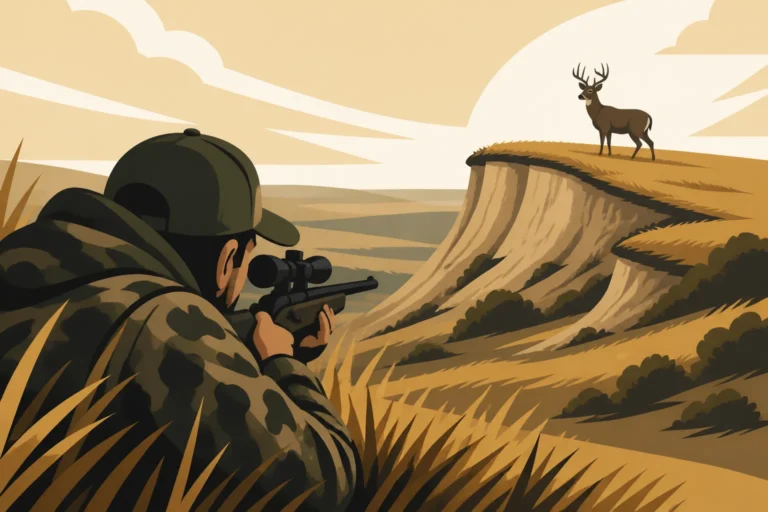
When the cover opens up, particularly along the edges of fields, across native grass pastures, or in areas with sparser tree cover, spot-and-stalk tactics become more viable. This involves using quality optics—binoculars and even a spotting scope—to scan large areas from a vantage point. Look for subtle movements, a flicking ear, or the outline of an animal against a distant tree line. Once an animal is spotted, the real work begins: planning a careful stalk that uses topography and existing cover to get within shooting range. This is often an art form, requiring patience and a deep understanding of animal behavior.
A crucial aspect of both still-hunting and spot-and-stalk in the parkland is understanding how animals use terrain for concealment. A small fold in the ground, a willow clump, or a single poplar tree can hide a surprisingly large animal. The challenge is often compounded by the transition lines, where dark timber meets bright stubble, making it difficult for the eye to adjust. Patience, slow movement, and repeated scanning of an area are far more effective than rushing through.
Stand Hunting and Blinds
Given the often-predictable movements of game between bedding and feeding areas, stand hunting from a treestand or ground blind is an incredibly effective strategy in the Aspen Parkland. The key is strategic placement, identifying pinch points, funnels, and natural crossings that animals consistently use. A treestand overlooking a narrow bush trail that connects two bluffs, or a ground blind positioned on a bush edge bordering a prime agricultural field, can be deadly productive. Hanging a Stand on a Saskatchewan Bush Edge requires careful consideration of wind, sun, and cover for your approach.
Consider areas where different cover types converge. A point of land jutting out into a field, a fence line that funnels deer movement, or a narrow strip of bush between a slough and a crop field are all prime locations for a stand. Animals will naturally seek the path of least resistance or the route that offers the most cover. Hunting a Frozen Slough Crossing late in the season, when ice provides an easy path, can be a particularly hot spot. These natural travel lanes are essentially game highways.
For late-season hunting in Saskatchewan, the cold can be brutal, making heated blinds a significant advantage. Saskatchewan Heated Blinds and Late Season Camps can extend your hunting hours and increase your comfort, allowing you to sit longer and remain focused. While not always available or practical for every hunter, they are a game-changer for enduring those frigid November and December days when big bucks are often on the move, driven by the rut or the need for constant foraging.
Calling and Decoying
Calling can be a highly effective tactic for specific species during particular times in the Aspen Parkland. For whitetail deer, especially during the rut, a variety of calls can be employed. Grunt calls can attract curious bucks, while Rattling and Calling Farmland Whitetails can simulate a sparring match, drawing in dominant bucks looking for a fight or eager to breed. It's crucial to gauge the intensity of your calling based on the openness of the terrain; too loud in open parkland might spook more than it attracts.
For moose, calling becomes particularly effective in the dense willow bottoms and slough country where they prefer to hide. Cow calls can attract bulls looking for a mate, while bull grunts can challenge another bull. Calling a Bull Moose in the Rut requires understanding their breeding vocalizations and knowing when to be aggressive and when to be subtle. The dense cover often means you'll hear them before you see them, and calling can bring them into view.
While less common for big game in the parkland, decoys can also play a role. A deer decoy, particularly a buck decoy during the rut, can draw in a territorial buck. However, placement is critical, ensuring it's visible but also looks natural. For waterfowl, which are abundant in the parkland's numerous potholes and sloughs, decoys are an absolute staple. Spreading a realistic decoy set in a harvested field or on a pothole edge can bring geese and ducks right into your lap.
Seasonal Considerations for Parkland Hunting
Saskatchewan's Aspen Parkland transforms dramatically through the hunting seasons, and so too must your strategies. What works brilliantly in the golden hues of September might be utterly useless in the frigid white landscape of December. Understanding these seasonal shifts in animal behavior and habitat use is paramount to consistent success.
Early Season (Archery & Early Rifle)
The early season, typically spanning September and early October, aligns with Saskatchewan's archery seasons and the initial rifle openers for certain species. At this time, the parkland is often a lush, green tapestry. Leaves are still on the trees, providing maximum cover, and natural food sources like berries and lush browse are abundant. Deer, moose, and elk are generally still on their summer patterns, focused on feeding heavily to build fat reserves for the coming winter. When Saskatchewan's Archery Season Opens, animals are typically more relaxed and less pressured.
Hunting during this period presents unique challenges. The dense foliage makes visibility extremely limited, turning still-hunting into a true test of stealth and patience. Furthermore, early season often means warmer temperatures and a persistent battle with insects like mosquitoes and black flies. Animals will frequently bed in the thickest cover available, often near water sources, to escape the heat and bugs. Focus your efforts on these dense bedding areas, as well as on water sources and trails leading to and from early-season food plots like pea or alfalfa fields.
Since natural foods are plentiful, animals may not be as concentrated on agricultural fields as they will be later in the year. Scouting during this period should prioritize identifying where animals are bedding and finding the subtle travel corridors they use to access water and preferred browse. Stand placement should focus on these pathways within or immediately adjacent to thick cover, as animals might not travel far into open fields until closer to dark.
Mid-Season (Rut & Peak Activity)
Mid-season, typically from late October through mid-November, is arguably the most exciting time to hunt in the Aspen Parkland, primarily because it coincides with the whitetail rut. As the leaves begin to drop and temperatures cool, deer activity intensifies dramatically. Bucks are on the move, searching for does, making them more vulnerable and less cautious. This is the period when many trophy whitetails are harvested. Hunting the Rut in Early to Mid November demands focused effort and long hours in the stand.
For hunters, the rut offers incredible opportunities for calling and rattling. Bucks will respond aggressively to challenges or doe bleats, often covering significant distances to investigate. This is also a prime time for extended sits in a well-placed stand, as bucks can appear at any hour of the day. The cooler weather means scenting conditions are better, and deer trails become more apparent as vegetation dies back.
Beyond whitetails, the rut also influences other species. Moose, while their rut peaks slightly earlier than deer, are still active in mid-season, making calling techniques effective. Elk herds will also be in various stages of post-rut activity. The overall game movement across the parkland increases, offering higher chances of encounters with multiple species. The key is to be in the woods, patiently observing and responding to animal behavior.
Late Season (Post-Rut & Winter)
As November gives way to December and January, the Aspen Parkland transforms into a stark, cold landscape, often blanketed in snow. This late season presents its own unique set of challenges and rewards. The rut is largely over for whitetails, and animals are now in survival mode, prioritizing food and thermal cover. Hunting the December Late Season Cold can be brutal, but incredibly productive if you understand how animals adapt.
With snow on the ground, tracking becomes an invaluable tool. Reading Sign After Fresh Saskatchewan Snow can reveal fresh deer, moose, or elk movements, indicating recent activity and helping you pinpoint bedding areas and travel routes. Animals will concentrate their efforts on easily accessible, high-energy food sources, making standing crop fields (like corn or standing peas) and sheltered bush pockets adjacent to fields absolute magnets. They will also seek out the thickest bluffs and willow bottoms for thermal protection from the bitter cold.
Hunting in extreme cold, sometimes at Hunting Whitetails at Thirty Below, requires serious preparation and specialized gear. Layering is critical, and heated blinds become less of a luxury and more of a necessity. Animals will often yard up in protected areas, making these concentrations of game prime hunting locations. While movement might be slower during the coldest parts of the day, prime feeding times around dawn and dusk, or during midday thaws, can still be highly productive. The sheer beauty of the snow-covered parkland, combined with the challenge of the hunt, makes late season a truly unique experience.
Essential Gear and Preparedness for the Aspen Parkland
Hunting Saskatchewan's Aspen Parkland demands a comprehensive approach to gear and preparedness. The weather can be notoriously unpredictable, swinging from mild autumn days to bitter winter blizzards in a matter of hours. Furthermore, the mixed terrain, with its blend of dense bush, wet sloughs, and open fields, requires specific equipment choices. Being under-prepared can quickly turn an exciting hunt into a miserable, or even dangerous, ordeal.
Clothing and Layering
The cornerstone of comfort and safety in the parkland is a well-thought-out clothing system. Layering is absolutely critical, allowing you to adapt to fluctuating temperatures and activity levels. Start with a moisture-wicking base layer to draw sweat away from your body, preventing chills. Over this, add insulating layers, such as fleece or down, that can be easily added or removed. The number and thickness of these layers will depend entirely on the forecast and your planned activity. Remember, you'll generate more heat when still-hunting than when sitting in a stand.
Your outer layers must be both waterproof and windproof. Whether it's a sudden rain shower, heavy wet snow, or biting prairie winds, a reliable shell will protect your core warmth. Look for quiet fabrics, especially if you plan on still-hunting or sitting in close quarters. Bright blaze orange is also a legal requirement for big game hunting during rifle seasons in Saskatchewan, so ensure your outer layer, or a vest worn over it, meets the visibility standards.
Footwear is another non-negotiable item. You'll be traversing varied terrain, from muddy field edges and wet slough bottoms to crunchy frozen ground and potentially deep snow. Waterproof, insulated boots with good ankle support are essential. For sitting in cold weather, consider pac boots or extra-insulated options to keep your feet warm during long periods of inactivity. Boots for Sitting Still in Deep Cold are designed to maximize thermal retention. Always pack extra socks – a fresh, dry pair can make a world of difference to comfort and prevent frostbite.
Optics and Navigation
Quality optics are not just a luxury; they are a necessity in the parkland. A good pair of binoculars (10×42 or 12×50 are popular choices) will be constantly in use for scanning bush lines, field edges, and distant bluffs for any sign of game. Even in dense cover, patiently glassing a small opening or a dark shadow can reveal an otherwise hidden animal. A spotting scope can be advantageous for identifying distant animals in more open areas, particularly for judging antler size before committing to a stalk.
For navigation, a reliable GPS device or, more commonly today, a robust hunting app on your smartphone, is indispensable. Apps like onX Hunt are incredibly valuable for delineating property lines, identifying public access points, and marking waypoints for rubs, scrapes, or animal sightings. They can show you precisely where you are in relation to private land, helping you avoid accidental trespass, which is a significant concern in the parkland's patchwork ownership. Scouting With Satellite Imagery in Saskatchewan with these apps before your hunt can give you a crucial edge. GoHunt also offers excellent mapping features that can guide your navigation and help you understand the terrain.
While digital tools are powerful, always carry a physical map and compass as a backup. Batteries die, screens crack, and signals can be lost in remote areas. Knowing how to use traditional navigation tools could be a lifesaver. Familiarize yourself with the area's geography, including grid roads, access points, and major landmarks, even if you plan to rely primarily on your GPS.
Survival and Safety
Safety should always be your top priority. Pack a comprehensive first-aid kit that can handle common hunting injuries, from cuts and blisters to more serious trauma. Always carry fire-starting materials (waterproof matches, lighter, fire starter) and know how to build a fire, even in wet conditions. Extra food and water, or the means to purify water, are also essential, especially if you plan on venturing far from your vehicle.
Communication devices are vital. While cell service might be spotty in some parkland areas, always carry your fully charged phone. For more remote locations, a satellite messenger or personal locator beacon (PLB) can literally be a lifesaver, allowing you to call for help even without cell service. Inform someone of your hunting plans, including where you'll be and when you expect to return.
Finally, prepare your vehicle. The parkland's grid roads can turn into muddy quagmires after rain or become impassable with snow. A reliable 4×4 vehicle is often necessary. Carry a basic recovery kit: tow strap, shovel, jumper cables, and a small air compressor. Winter Truck Kit for a Saskatchewan Hunt should include extra blankets, food, and a charged power bank for your phone. Be aware of local hazards, including encounters with wildlife (like coyotes or bears), and always be prepared for rapid changes in weather. Staying safe means being prepared for the unexpected.
Conservation and Responsible Hunting in the Parkland
Hunting in Saskatchewan's Aspen Parkland is not just about the pursuit of game; it's also about a deep commitment to conservation and responsible stewardship of our natural resources. As hunters, we play a crucial role in maintaining healthy wildlife populations and habitats, and this responsibility extends beyond merely following the rules. It means understanding the challenges facing wildlife, respecting landowners, and actively contributing to a sustainable future for hunting.
Chronic Wasting Disease (CWD) Awareness
One of the most pressing concerns for deer, elk, and moose populations in Saskatchewan, including those in the Aspen Parkland, is Chronic Wasting Disease (CWD). This fatal neurological disease affects cervids and has unfortunately become prevalent in many areas of the province. Understanding CWD, its implications, and how hunters can help manage its spread is critically important. Saskatchewan's CWD Testing Rules are in place to monitor and mitigate the disease.
Hunters in certain zones within the parkland may be subject to mandatory CWD testing. This involves submitting the head of your harvested animal to designated collection sites for testing. It's a simple, free process that provides invaluable data to wildlife managers. Knowing which zones require Mandatory CWD Testing Zones and complying with the submission deadlines is a non-negotiable part of responsible hunting today. Getting your results back provides peace of mind and contributes to scientific understanding of the disease's spread.
Beyond testing, proper carcass disposal is crucial to prevent the further spread of CWD. If possible, de-bone your animal in the field, leaving the brain, spinal cord, and other potentially infectious material at the kill site. If you must transport the whole carcass, avoid moving it between zones, and dispose of high-risk parts responsibly in approved landfills. Understanding the rules for Moving a Carcass Between Zones is vital, as improper transport can accelerate the disease's reach.
Respecting Landowners and Wildlife
The vast majority of the Aspen Parkland is privately owned, making landowner relations an absolutely foundational aspect of hunting here. As hunters, we are guests on their land, and our actions reflect on the entire hunting community. Always seek explicit permission before entering private land, and once granted, adhere strictly to any conditions set by the landowner. This includes respecting their property, closing gates, avoiding driving in wet fields, and picking up all litter. A positive interaction can open doors for future hunts, while a negative one can close them for everyone.
Ethical hunting practices also extend to our treatment of the wildlife itself. This means striving for clean, humane kills through proper shot placement and never taking risky shots. If an animal is wounded, diligent and persistent tracking is a moral imperative, regardless of the effort required. Leaving game to suffer or go to waste is a profound disrespect for the animal and the privilege of hunting. Understanding game laws, such as limits on wasting game meat, is part of this ethical responsibility.
It's also important to consider the long-term health of local wildlife populations. While it's tempting to pursue the largest buck or bull, understanding carrying capacity and avoiding over-pressuring local game populations ensures that future generations of hunters will have opportunities. Be mindful of hunting pressure in easily accessible areas and consider venturing further afield to distribute your impact.
Future of Parkland Hunting
The Aspen Parkland is a dynamic landscape, constantly evolving due to agricultural practices, land development, and climate shifts. These changes directly impact wildlife habitat and, consequently, hunting opportunities. For example, changes in crop types, such as the increased planting of corn, can alter deer patterns significantly, providing new food sources and cover. Conversely, wetland drainage can negatively impact waterfowl and the species that rely on those water bodies.
Hunters play a vital role in conservation efforts, often through the fees paid for licenses and tags, which directly fund wildlife management and habitat programs. Advocating for responsible land use policies that balance agricultural needs with wildlife habitat protection is another way hunters contribute. Joining a local Saskatchewan Wildlife Federation branch can connect you with like-minded individuals and provide avenues for collective action in conservation.
Ultimately, the future of hunting in Saskatchewan's Aspen Parkland depends on the commitment of hunters to ethical behavior, respect for landowners, and active participation in conservation. By being informed, responsible, and engaged, we can help ensure that this incredibly productive and beautiful hunting ground continues to thrive for years to come.
Disclaimer
This article is for general informational purposes only and does not constitute professional advice. Laws, prices and regulations vary by location and change over time. Consult a qualified professional for guidance on your specific situation.