Why Non-Residents Need an Outfitter
When you dream of a Saskatchewan hunting adventure, picturing yourself glassing big bucks or setting up on massive flocks of waterfowl, it's easy to overlook the critical legalities that govern non-resident hunters. The reality for many international and out-of-province hunters is a frustrating maze of regulations, especially the strict requirement to hunt with a licensed outfitter for many species. This comprehensive guide will meticulously explain why non-residents need an outfitter to hunt in Saskatchewan, what essential services these professionals provide, and how to navigate the process to ensure a successful and compliant hunting trip.
The Legal Landscape for Non-Residents in Saskatchewan
Saskatchewan holds its wildlife resources in high regard, and rightfully so. To ensure sustainable populations and to manage hunting pressure, the province has a robust regulatory framework. For non-residents, this framework includes specific provisions that often necessitate the services of a licensed outfitter. It's not just a suggestion; it's a legal obligation for most big game species.
Understanding Saskatchewan's Wildlife Act
The foundation of hunting regulations in Saskatchewan is the Wildlife Act, along with its associated regulations. This legislation dictates who can hunt what, where, and how. For residents, the process is relatively straightforward, involving licence purchases and adherence to zone-specific rules. However, for non-residents, the act introduces a mandatory requirement that significantly alters their hunting opportunities. This critical distinction is rooted in conservation principles, aiming to control the number of hunters and distribute hunting effort, particularly for sought-after big game like white-tailed deer, moose, and bear. The province designates certain wildlife management zones and species as 'outfitter-allocated,' meaning only hunters booked through a licensed outfitter can obtain tags for those specific hunts.
This system effectively creates two tiers of hunting access: one for residents and another for non-residents. Without understanding these nuances, a non-resident could easily find themselves in violation of provincial law, which carries hefty penalties. It’s a protection mechanism for the resource, but it undeniably adds a layer of complexity for those planning a hunt from outside the province. Navigating this means recognizing that your dream hunt will likely begin with booking an outfitter, rather than simply buying a licence online. Non-residents need to be acutely aware of Rules for Non-Residents Hunting Saskatchewan before making any plans.
Specifics for Big Game Versus Game Birds
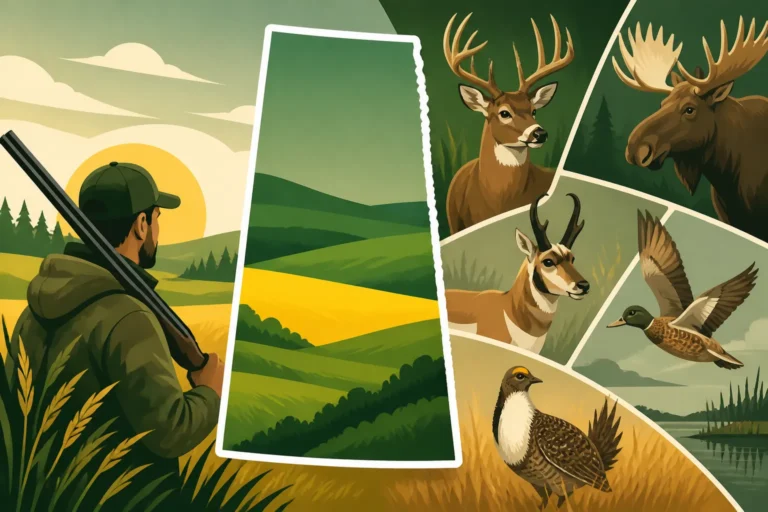
The outfitter requirement in Saskatchewan isn't a blanket rule for all species, which can sometimes lead to confusion. Generally, the most stringent requirements apply to big game hunting. If you're planning on Whitetail Hunting in Saskatchewan, pursuing Moose Hunting Saskatchewan's Farmland and Forest, or Black Bear Hunting in Saskatchewan, you will almost certainly need to book with a licensed outfitter. These species are highly regulated for non-residents, and the allocation of tags often goes directly to outfitters, who then sell packages to their clients. This ensures that the limited non-resident quotas are managed by professionals who understand the rules and have a vested interest in ethical hunting.
However, the situation is different for migratory game birds and upland birds. Non-resident hunters can typically acquire licences for species like ducks, geese, cranes, sharp-tailed grouse, and Hungarian partridge without needing to book an outfitter. That said, even for bird hunting, many non-residents still opt for an outfitter or guide service. While not legally required, the logistical benefits – from field access to decoy spreads and scouting – can transform a good bird hunt into an unforgettable one. For instance, Waterfowl Hunting Saskatchewan's Grain Fields can be incredibly productive with an experienced guide who knows bird patterns and has permission to hunt prime stubble fields. This distinction between big game and birds is crucial for non-residents to grasp when planning their trip.
What an Outfitter Actually Provides to Non-Residents
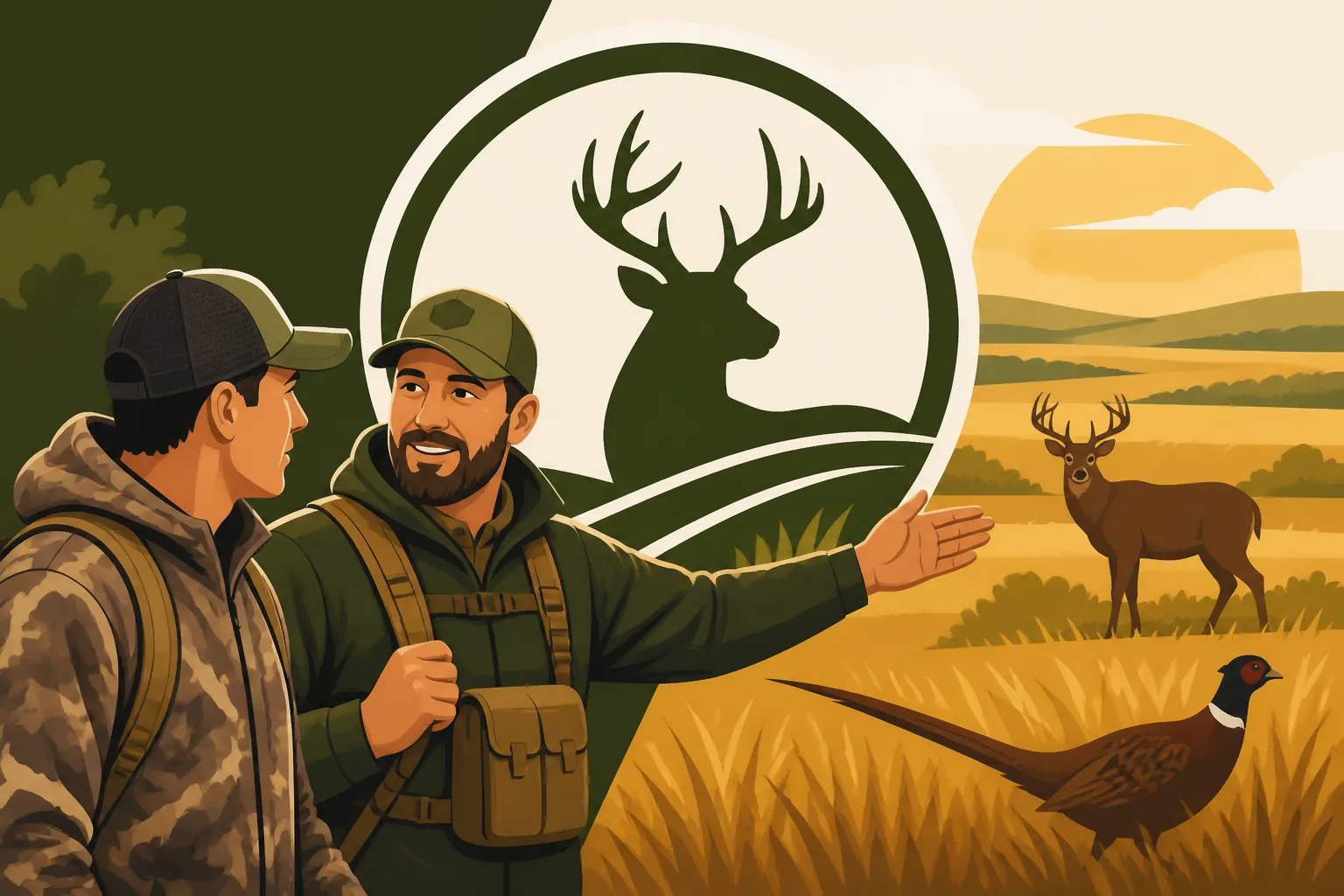
Beyond the legal mandate, licensed outfitters offer a wealth of services and advantages that significantly enhance a non-resident's hunting experience. They are more than just guides; they are your hosts, your experts, and your logistical coordinators in a foreign land.
Expertise and Local Knowledge
One of the most invaluable assets an outfitter brings to the table is their deep, intimate knowledge of the local terrain, wildlife patterns, and historical trends. These aren't just folks who've read a book about hunting; they live and breathe it every day. A good outfitter has spent countless hours Scouting a Saskatchewan Wildlife Management Zone, knows precisely Where Saskatchewan Whitetails Bed in Snow, and understands the subtle cues of the local environment. They can tell you which bluffs hold mature bucks, which coulees mule deer frequent, and what effect a recent snowfall or temperature drop will have on game movement. This is local wisdom that simply cannot be replicated by studying maps or online forums.
Furthermore, a seasoned outfitter will have an extensive network of contacts, including local landowners, which is paramount in a province where much of the prime hunting ground is privately owned. Their ability to secure access to prime properties means you're not spending precious hunting time Knocking on Doors in Saskatchewan Farm Country or hoping to stumble upon a productive spot. They've done the legwork, cultivated relationships, and often have exclusive hunting rights to vast tracts of land. This expertise translates directly into higher success rates and a much more efficient hunting experience, allowing you to focus on the hunt itself rather than the logistics and guesswork.
Logistics and Accommodation
Hunting in Saskatchewan, especially for big game, can be a demanding endeavor, often requiring extensive travel and specialized gear. For a non-resident, dealing with these logistics from a distance can be a nightmare. This is where an outfitter truly shines. They typically provide comfortable lodging, often at a remote camp or a well-appointed lodge, eliminating the stress of finding suitable accommodation in unfamiliar territory. Many operations offer full-service camps, including hearty meals, ensuring you're well-fed and rested for your daily hunts.
Beyond lodging and food, outfitters often assist with transportation within the hunting area, whether that's getting to and from blinds, retrieving game, or shuttling hunters between different spots. They'll also typically provide the necessary equipment, such as ground blinds, tree stands, and in some cases, even firearms for rent, simplifying the process of Bringing Firearms Into Saskatchewan. Consider the sheer effort involved in setting up a goose spread in a swathed barley field; an outfitter provides all the decoys, blinds, and know-how, making your Field Hunting Geese in Saskatchewan Stubble experience seamless. This comprehensive logistical support is a massive advantage, particularly for hunters traveling long distances, allowing them to truly focus on the hunt.
Access to Prime Hunting Land
One of the most significant reasons non-residents rely on outfitters is for access to hunting land. Saskatchewan's land ownership is a mix of Crown land (public) and vast stretches of private agricultural land. While residents can access much of the Crown land, and with permission, private land, the reality for non-residents is different. Many of the most productive hunting areas, particularly for trophy white-tailed deer and farmland moose, are on private property. Outfitters spend years, sometimes decades, cultivating relationships with landowners, securing exclusive hunting rights to thousands of acres.
This means that when you book with a licensed outfitter, you're not just buying a hunt; you're gaining privileged access to prime habitat that would otherwise be inaccessible. They understand Saskatchewan Landowner Permission Law and ensure all necessary agreements are in place, so you don't have to worry about inadvertent trespassing. This access isn't limited to private land; many outfitters also hold allocations on high-quality Crown land blocks or Saskatchewan's Fish and Wildlife Development Fund Lands that might be challenging for a non-resident to locate and navigate independently. Platforms like GoHunt often list outfitters with details on the types of land they access, helping hunters find operations with access to the specific kind of terrain they're looking for, whether it's Hunting Saskatchewan's Aspen Parkland or deep boreal forest.
Navigating the Licensing and Draw System with an Outfitter
The administrative side of hunting in Saskatchewan can be complex, even for residents. For non-residents, especially those unfamiliar with the Canadian system, it can be a significant hurdle. Outfitters act as invaluable intermediaries, streamlining the entire licensing and draw process.
The HAL Account and Licence Acquisition
Every hunter in Saskatchewan, resident or non-resident, must have a Hunter and Angler Licence (HAL) account. This digital portal is where you purchase licences, apply for draws, and manage your hunting profile. For a non-resident, setting up a HAL account can be confusing, particularly with Canadian address requirements and hunter education verification. However, when you book with a licensed outfitter, they typically handle much of this for you. They will guide you through the process of Setting Up a Saskatchewan HAL Account or even submit necessary information on your behalf, ensuring all details are accurate and compliant.
Once your HAL account is established, the outfitter will often facilitate the actual licence purchase. For non-residents, big game licences are usually allocated to the outfitter first, meaning you can't just buy a white-tailed deer tag off the shelf. Your outfitter will have a specific number of tags for certain species and zones, and your licence purchase will be directly linked to their allocation. This ensures that non-resident tag quotas are strictly adhered to. They'll also ensure you have the required Saskatchewan Wildlife Habitat Certificate and any other necessary permits, like the Federal Migratory Game Bird Permit if you're Hunting Saskatchewan's Snow Goose Migration or other waterfowl. This concierge service removes a significant administrative burden from your shoulders.
The Big Game Draw for Non-Residents
Saskatchewan's big game draw system is renowned for its complexity, especially concerning priority pools and specific species. For species like mule deer, elk, and certain moose tags, the number of available non-resident licences is highly limited and often only accessible through a draw. While non-residents cannot directly participate in the general big game draw as residents do, outfitters play a crucial role by being allocated specific draw tags for their clients. For instance, outfitters receive allocations for antlered mule deer or antlered elk, and then their clients can apply for these through their booked hunt. This means the outfitter effectively manages the draw process on your behalf, applying for the tags they've been allocated, which you then purchase as part of your package.
Understanding Saskatchewan's Big Game Draw Deadlines and the intricacies of How Saskatchewan's Priority Pools Work is vital for residents but largely simplified for non-residents through the outfitter system. Your outfitter will advise you on the availability of these highly coveted tags and integrate the draw application into your booking process. For example, if you're hoping for an Elk Hunting in Saskatchewan experience, your outfitter will confirm if they have the appropriate draw allocation and guide you through securing that specific tag. This system ensures that non-residents have a fair, albeit managed, opportunity to hunt some of Saskatchewan's most desirable game species, all facilitated by their chosen outfitter.
Beyond the Legalities: The Practical Benefits of an Outfitter
While legal compliance is a primary driver, the advantages of hunting with a licensed outfitter extend far beyond simply having a valid tag. They fundamentally transform the quality, safety, and overall enjoyment of your hunting trip.
Enhanced Safety and Preparedness
Saskatchewan's wilderness, while breathtaking, can also be unforgiving. From extreme cold during Hunting Whitetails at Thirty Below to navigating remote boreal forest or vast open prairies, safety is paramount. Non-residents, especially those unfamiliar with the terrain or climate, face inherent risks. Outfitters, however, are professionals equipped to handle these challenges. They often have robust safety protocols, emergency communication systems (critical in areas Where Saskatchewan Cell Coverage Ends), and guides trained in first aid and outdoor survival. This preparedness can be a literal lifesaver.
Moreover, outfitters ensure you're adequately prepared with the right gear and knowledge for the specific conditions you'll encounter. They'll advise you on appropriate clothing for Dressing for Saskatchewan's November Cold, the best footwear for navigating diverse terrain, and how to stay warm during long sits in a blind. They also ensure proper game retrieval and Meat Care in Saskatchewan's Cold Snaps, minimizing the risk of spoiled meat. Their presence means you have experienced eyes and hands looking out for your well-being, greatly reducing the stress and potential dangers of hunting in a new and challenging environment. This is especially true for those venturing into the more remote northern regions.
Maximizing Your Hunting Success
Let's be honest: when you travel to Saskatchewan to hunt, you want to be successful. You want to see game, have opportunities, and hopefully, fill your tag. This is where an outfitter's expertise becomes a game-changer. Their extensive scouting, understanding of game movement patterns, and access to prime hunting areas give you a significant advantage. They know Why Saskatchewan Bucks Grow So Large and precisely where to find them. They'll put you in stands or blinds positioned in proven travel corridors, feeding areas, or bedding cover, often based on years of experience and real-time intel.
An outfitter understands the subtle art of Rattling and Calling Farmland Whitetails or Calling a Bull Moose in the Rut, adapting tactics to current conditions and animal behavior. They are continually scouting and adjusting their strategy based on fresh sign, weather changes, and recent game sightings. This dynamic approach means you're not just hoping for luck; you're hunting with a calculated strategy designed for success. For many non-residents, the investment in a reputable outfitter like those often listed by GoHunt is directly tied to the desire for a high-quality hunting experience and a strong chance at harvesting a trophy animal.
Cultural Immersion and Experience
Beyond the hunt itself, booking with an outfitter offers a unique opportunity for cultural immersion and a truly authentic Canadian outdoor experience. Many outfitters are generational hunters, deeply connected to the land and the local community. They often share stories, local traditions, and insights into the ecology of Saskatchewan that you wouldn't get on your own. This isn't just a transaction; it's often an opportunity to build relationships and experience a profound connection to a different way of life.
Whether it's sharing a campfire meal, learning about the history of the area, or simply enjoying the camaraderie of fellow hunters and guides, the social aspect of an outfitted hunt is a huge draw. It allows you to relax, learn, and fully absorb the beauty and challenges of Saskatchewan's diverse landscapes, from the southern prairies to Hunting Saskatchewan's Boreal Forest Fringe. For many, the memories created around the camp, the shared laughs, and the lessons learned from experienced outdoorsmen are just as valuable as the game harvested.
Choosing the Right Saskatchewan Outfitter
With the legal requirement and practical benefits clearly established, the next crucial step for any non-resident is selecting a reputable and suitable outfitter. This decision can make or break your hunting trip.
Key Questions to Ask
When you're considering a Saskatchewan outfitter, don't be shy about asking direct, detailed questions. This is a significant investment, and you need to ensure you're getting what you expect. Start by inquiring about their licence and allocation specifics: Which species are they licensed for? What zones do they operate in? How many non-resident tags do they typically receive for those zones? Ask about their success rates – but also delve into what "success" means to them (opportunity vs. harvest). A good outfitter will be transparent.
Furthermore, clarify the hunt details: What's the hunter-to-guide ratio? What kind of accommodations are provided? What meals are included? Is transportation from the nearest airport part of the package? What equipment do they supply, and what do you need to bring? Crucially, ask about Saskatchewan Meat Processing and Cold Storage arrangements and how trophies are handled for transport, especially if you're coming from another country. Understand their Saskatchewan Deposit and Cancellation Terms thoroughly. A reputable operation will have clear answers and be happy to discuss all these points.
Due Diligence and Reputation
Doing your homework is absolutely essential when selecting an outfitter. Start by checking if they are properly licensed by the Saskatchewan government. You can often verify this through the province's Ministry of Environment or relevant outfitter associations. Look for reviews and testimonials, but also consider reaching out to past clients for direct references. A reliable outfitter will readily provide these. Websites like GoHunt and various online hunting forums can be excellent resources for honest reviews and discussions about different operations.
Beware of "outfitters" who promise unrealistic success rates or deals that seem too good to be true, as they often are. Understand What a Saskatchewan Outfitter Licence Covers and what they are legally allowed to do. Ensure they adhere to ethical hunting practices and have a strong safety record. It's also wise to check their social media presence, looking for consistency in their offerings and genuine engagement with their clients. An outfitter's reputation is their most valuable asset, and a little digging can save you a lot of heartache (and money) down the road.
Potential Pitfalls and How to Avoid Them
Even with careful planning, there are potential challenges non-residents might encounter. Being aware of these and taking proactive steps can ensure a smoother, more enjoyable hunting experience.
Recognizing Illegal Operations
One of the most serious pitfalls for non-residents is unknowingly booking with an unlicensed or "rogue" outfitter. These illegal operations often offer cheaper prices or circumvent standard regulations, putting the hunter at risk of legal penalties, fines, and even confiscation of their harvested game and equipment. The province takes Illegal Outfitting and How to Spot It very seriously. Signs of an illegal operation might include: reluctance to provide licence numbers, vague answers about tag allocations, requests for cash-only payments without proper invoicing, or a general lack of professionalism in their communication.
Always verify an outfitter's credentials directly with the provincial Ministry of Environment or relevant outfitter associations before committing. If an outfitter tells you that you can easily get a non-resident big game tag without them, or that the rules don't really apply to certain areas, that's a massive red flag. Stick to licensed, reputable operations to protect yourself and ensure your hunt is fully compliant with Saskatchewan law. Your research through resources like GoHunt or official provincial directories is critical here.
Understanding Contract Terms and Expectations
Before you send a deposit or sign any agreements, meticulously read and understand the outfitter's contract. Pay close attention to what is included and excluded in the package price. Are licences, taxes, tips, and meat processing part of the cost, or are they additional expenses? Clarify cancellation policies, especially regarding refunds if you need to cancel or if the outfitter cancels due to unforeseen circumstances like severe weather or permit issues. Many outfitters have strict non-refundable deposit policies.
Discuss hunting expectations openly with your outfitter. What is their philosophy on shot opportunities? What size of animal are they targeting for clients? While no ethical outfitter can guarantee a harvest, they should be able to provide realistic expectations based on historical success rates and current conditions. Understand their emergency procedures, especially if you're venturing into remote areas. Clear communication and a thorough understanding of the contract will prevent misunderstandings and ensure a positive relationship with your outfitter throughout your Planning a Saskatchewan Hunting Trip.
| Feature/Requirement | Saskatchewan Resident (Big Game) | Non-Resident (Big Game – Canadian/International) |
|---|---|---|
| Licensing Method | Direct purchase via HAL account; draw application for specific species | Must book with a licensed outfitter; outfitter facilitates tag acquisition |
| Land Access | Crown land access; private land with permission | Primarily private land accessed via outfitter; some Crown land via outfitter |
| Species Availability | Wider range of open-season species; draw for limited species | Limited species/zones available only through outfitter allocations |
| Guidance Requirement | Optional | Mandatory for most big game species |
| Logistical Support | Self-organized | Typically provided: accommodation, meals, in-field transport, scouting |
| Draw System | Direct application to provincial draw system | Outfitter applies for allocated tags on client's behalf |
| Cost | Licence fees only | Package price (licence, guide, accommodation, etc.) |
Disclaimer
Please note that hunting regulations, licence requirements, and fees are subject to change. Always consult the most current Saskatchewan Hunter's and Trapper's Guide and the provincial Ministry of Environment website for the most up-to-date and accurate information before planning any hunting trip.